
PHYSIOTHERAPY
We practice a hands-on approach to treatment combined with clever exercise programs to alleviate pain, build strength and restore function.
Is pain, injury, and joint stiffness making everyday activities more difficult than they should be?
Our experienced physiotherapists are here to help you move better, feel better, and get back to living life with confidence.
We assess and treat a wide range of musculoskeletal conditions, including back and neck pain, shoulder injuries, headaches, arthritis, and problems affecting the hips, knees, ankles, and feet. Whether your symptoms developed suddenly or have been troubling you for years, we'll work with you to identify the cause and create a personalised treatment plan.
Combining extensive clinical experience with a strong understanding of anatomy, biomechanics, and movement, we take a thorough and practical approach to diagnosis and treatment. Our focus is not just on relieving pain, but on helping you regain function, prevent recurrence, and achieve your goals.
Explore the conditions we treat, our treatment options, and the services available to support your recovery and long-term health.

Treatment Options
Treatment Options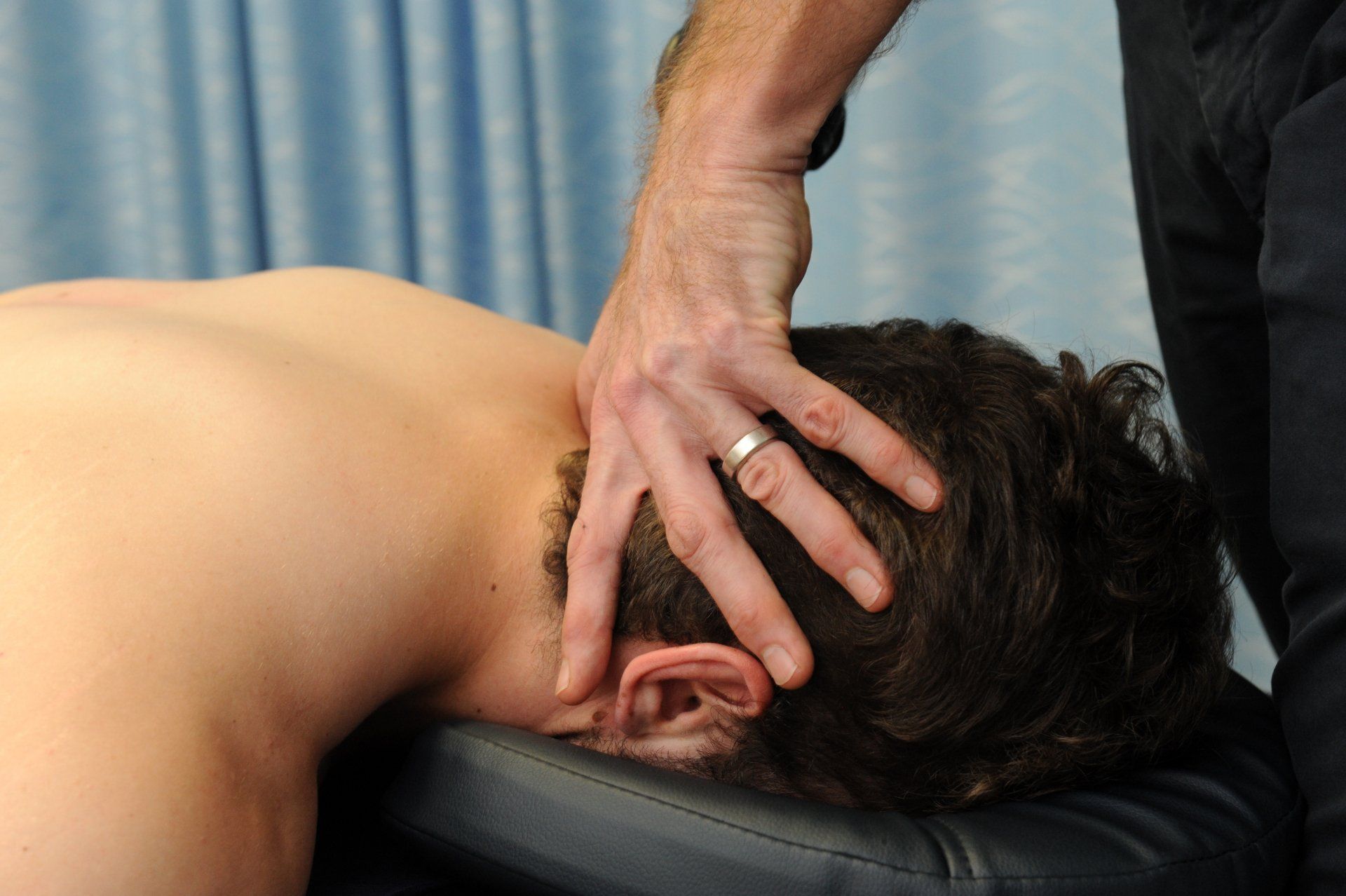
Conditions we treat
Button

"Goal-driven treatment is key to sustainable results."
Every person who walks through our doors has a reason for seeking help. For some, it's returning to a daily walk, getting back on the bike, playing sport without limitation, or simply keeping up with family and friends. For others, it's being able to work, garden, travel, or move through the day without pain.
Whatever your goal, we take the time to understand your story, identify what's holding you back, and work with you to create a clear plan for recovery. Together, we'll set meaningful goals and provide the guidance, treatment, and support you need to get back to doing the things that matter most.
Our approach to your health care
Schedule an appointment
We make it easy to schedule an appointment. Book online anytime, or call our offices on 08 8945 3799 during business hours. We'll work with you to match you with the best physiotherapists on a day and time that suits you.
Initial consultation
During your initial visit, we conduct a comprehensive assessment of your physical condition to understand your needs. As we develop a personalised treatment plan, we also guide you through the process, ensuring you’re informed every step of the way.
Personalised treatment plan
Following your consultation, we’ll outline a clear plan for your recovery and progress. We'll arm you with an exercise program, and offer expert advice on preventing future issues, equipping you with the tools to maintain long-term health and well-being.
Continuous evaluation
During each session, we assess your progress to ensure your treatment plan stays effective. Regular evaluations help us make any needed adjustments, keeping you on track for recovery and reaching your health care goals.
Your treatment options
We offer a huge range of evidence-informed, effective treatment options to help you achieve your personal goals.

Sports Physiotherapy

Dry Needling
Joint Mobilisation

Strength and Conditioning








Sports Physiotherapy
Sports Physiotherapy relies on addressing fundamental rehabilitation prinicipals. These include early assessment, evidence-informed intervention, early therapeutic exercise, and a thorough return to play process.
At Movement for Life Physiotherapy, we believe in applying these principals to people from all walks of life, irrespective of age and ability. Our experience has shown us that these practices consistently achieve outstanding results for clients.
So whether your goal is a brisk walk in the evening, tackle a steep track on you mountain bike, get more game time at footy or a weekly work out in the gym, see someone who can help you achieve your goals.
Musculoskeletal Physiotherapy
Musculoskeletal physiotherapy treats injuries and conditions affecting muscles, joints, and bones. From ankle sprains, to back pain, to overuse injuries.
Our Physiotherapist's can improve your mobility, reduce pain, and enhance strength through tailored exercises, manual therapy, and rehabilitation techniques. This therapy helps restore function, prevent future injuries, and promote overall physical well-being.
Dry Needling
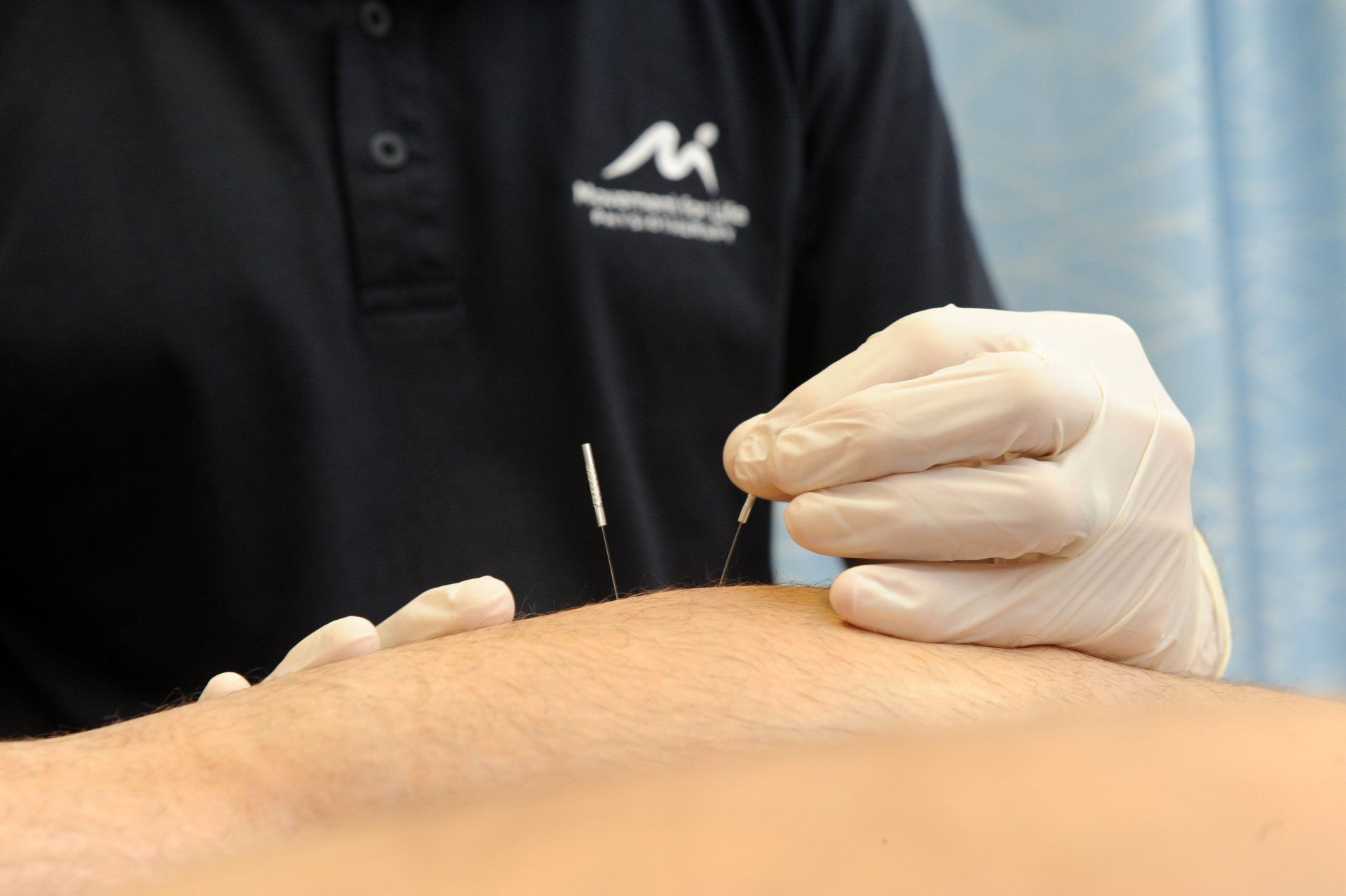
Dry needling is a therapeutic technique where thin needles are inserted into trigger points in muscles to relieve pain, reduce tension, and improve mobility. It targets musculoskeletal dysfunction, enhances circulation, and promotes natural healing by releasing tight knots and improving movement.
It is important you only receive dry needling from someone who has undergone certified training in this technique.
Clinical Pilates
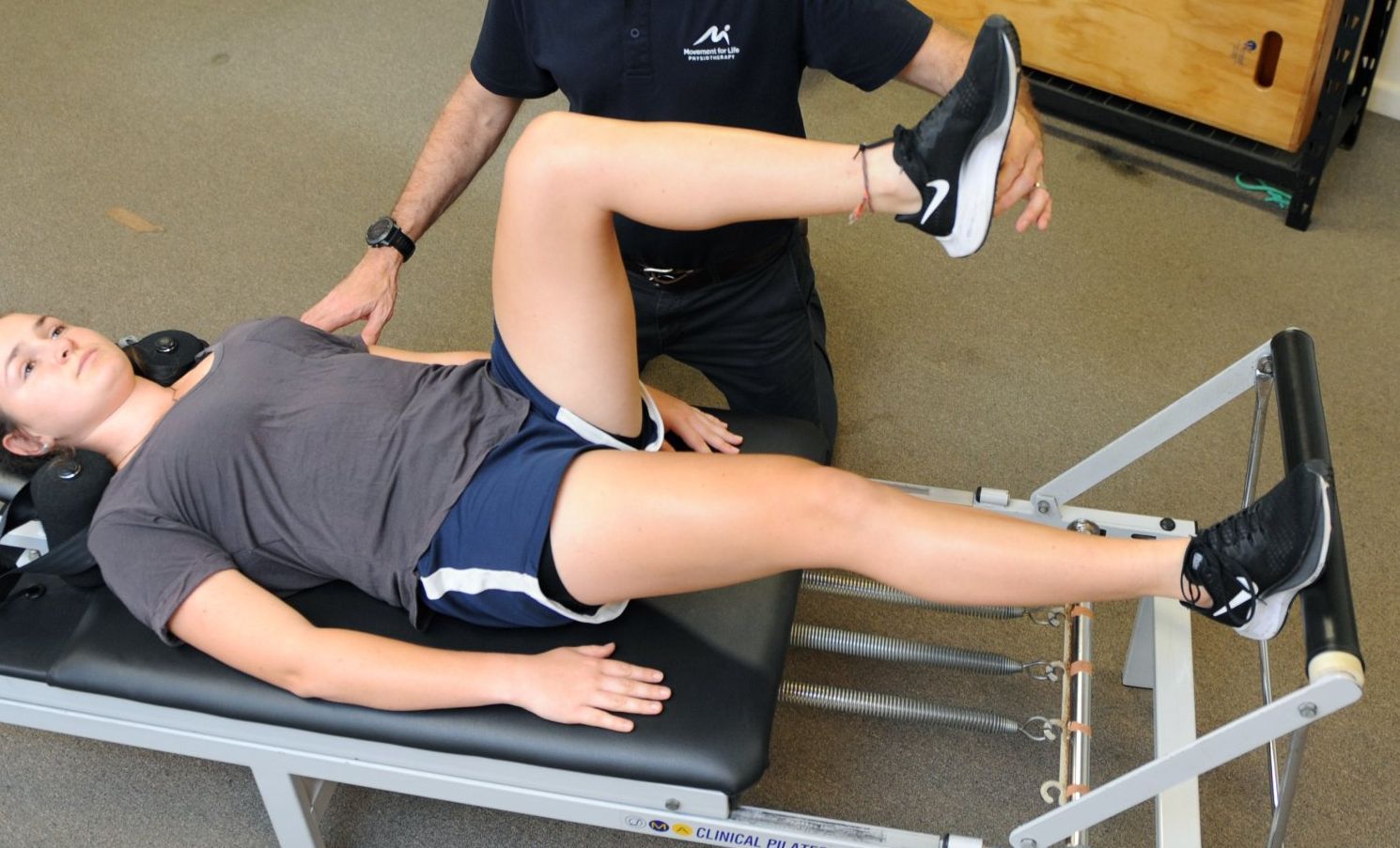
Clinical Pilates is a tailored exercise approach focusing on core strength, posture, flexibility, and injury rehabilitation. Guided by physiotherapists, it enhances stability, balance, and movement efficiency, helping prevent injuries, reduce pain, and improve overall musculoskeletal health through controlled, low-impact exercises.
In addition to clinicial pilates, we offer CorePlus classes. These tailored group sessions combine clinical pilates with functional strengthening exercises to achieve amazing individual outcomes.
Joint Mobilisation
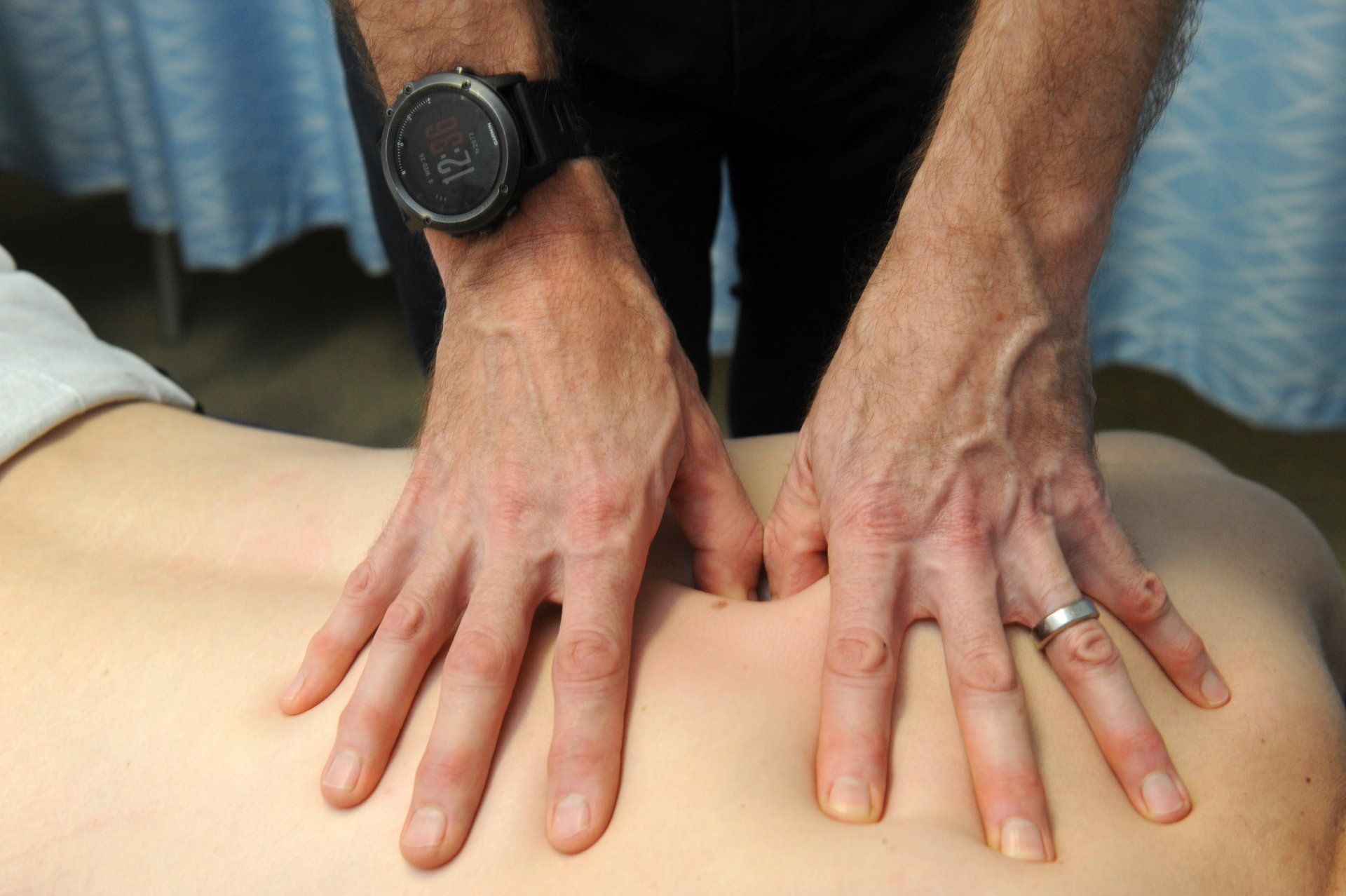
Joint mobilisation is a hands-on therapeutic technique used by physiotherapists to restore movement, reduce pain, and improve function in stiff or restricted joints. Through controlled, passive movements, it enhances flexibility, relieves tension, and supports musculoskeletal rehabilitation, promoting optimal mobility and joint health.
Joint mobilisation is commonly used to manage neck and back pain and posture related issues. It can help with restoration of movement following surgery, and in some circumstances reduce symptoms of pins and needles and numbness.
Strength & Conditioning
Physiotherapists excel in strength and conditioning due to their deep knowledge of biomechanics, injury prevention, and rehabilitation. They create evidence-based, individualized programs that enhance performance while ensuring safety. Their expertise in movement mechanics, recovery, and injury management makes them uniquely qualified to optimize strength, mobility, and overall physical function.
Therapeutic Exercise
Therapeutic exercise is a structured, evidence-based movement program designed to restore function, improve strength, flexibility, and mobility, and reduce pain. Used in rehabilitation, it targets specific impairments, enhances recovery, prevents injuries, and promotes overall physical well-being through controlled, progressive exercises tailored to individual needs.
Therapeutic exercise is used by physiotherapists during injury rehabilitation, following surgery and for management of chronic or persistent pain. Therapeutic exercise is a key part of the rehabilitation pathway, transitioning patients from acute injury towards full functional recovery.
Pain Management
Physiotherapy-led pain management focuses on relieving pain and improving physical function using a range of techniques. These may include manual therapy, joint mobilization, therapeutic exercises, postural correction, hydrotherapy, and modalities like heat and cold.
Physiotherapists assess the root cause of pain and create individualized treatment plans that not only alleviate symptoms but also promote long-term recovery, mobility, and strength, helping patients manage pain without relying on medications or invasive procedures.
Fracture Management
Physiotherapy can help you recover safely after a fracture by reducing pain, protecting healing tissues, restoring movement, and rebuilding strength and confidence as you heal. Early treatment may help prevent stiffness, muscle loss, and long-term loss of function, while guiding you through each stage of recovery.
At your appointment, we assess your injury, discuss your goals, and create a treatment plan that may include gentle exercises, movement advice, swelling management, and progress checks. We work with you to support safe return to daily activities, work, sport, and the things that matter most to you.
Waterproof Casts & Braces
Waterproof casts and braces can help you stay active while your injury heals, especially in Darwin’s tropical climate. They are designed to tolerate water exposure, so you may be able to shower, swim, fish, or enjoy camping with greater ease and less interruption to your routine.
We can apply and remove waterproof and standard casts for wrist, elbow and lower leg injuries, and stock a range of customisable braces, such as Exos.
We can help you understand whether a waterproof option is suitable for your injury and how to use it safely. We’ll explain what to expect, give advice on care and activity limits, and help you stay moving while protecting your recovery.
Musculoskeletal Hydrotherapy
Hydrotherapy involves the use of water for therapeutic purposes, such as exercise or immersion, to promote healing and pain relief. It offers numerous benefits, including improved circulation, increased flexibility, and reduced muscle tension.
The buoyancy of water provides a low-impact environment, reducing stress on joints and muscles. Hydrotherapy is effective in treating acute and chronic conditions like arthritis, muscle injuries, post-surgical rehabilitation, and chronic pain by enhancing mobility, relaxation, and overall physical function.
Movement For Life Physiotherapy operates a purpose built hydrotherapy pool onsite at their Coconut Grove clinic. For more information on this unique facility, click on Learn More below.
Taping
We provide a range of taping services to stabilize joints, enhance recovery and improve performance.
Rigid taping has benefits throughout the rehabilitation period and can prevent further injury, providing support to healing tissues and improving confidence during return to activity.
Kinesiotaping is a dynamic taping that allows full range of motion during activity. It has multiple benefits including pain and swelling reduction when applied under the right circumstances.
Pre & Post Surgery
Movement For Life Physiotherapy has a long history of providing physiotherapy services to patients both before (prehabilitation) and after (rehabilitation) surgery, including 12 years of inpatient services at Darwin Private Hospital between 2004 and 2016.
Our Experience
Our physiotherapists routinely see patient’s who have had joint surgery, back surgery, abdominal surgery or chest infections once discharged from hospital. We have extensive experience managing orthopaedic conditions and work closely with local and visiting interstate surgeons. Our areas of expertise are rehabilitation following joint replacement surgery (knee, hip and shoulder), ACL reconstruction, ankle reconstruction, shoulder rotator cuff repair, spinal surgery and all joint arthroscopic surgery.
Prehabilitation (before surgery)
Movement For Life Physiotherapy can perform pre-surgical assessments through our Pre-operative Rehabilitation, Exercise and Physiotherapy (PREP) Program. PREP Programs provide an opportunity to learn about your injury, consider different management options, learn exercises prior to surgery and develop better strength and movement before surgery and clarifies what will be required after surgery. This PREP can reduce your recovery time and improve your outcomes.
Rehabilitation (after surgery)
Our physiotherapists work closely with the treating surgeons to develop clear rehabilitation protocols. These protocols are put into effect following surgery to ensure you receive optimal treatment and expedite your recovery.
On discharge from hospital Movement For Life Physiotherapy can provide you with all your outpatient physiotherapy needs. During the early stages of recovery, we provide one on one treatment. As you progress there are numerous group sessions available to allow you greater independence, appointment flexibility and access to the services you need.
Pre-Employment Screening and
Corporate Health Solutions
Movement For Life Physiotherapy understands that workplace injuries cost money, time and productivity. They are also really stressful, for employer and employees.
We believe that the principals underlying quality workplace health and safety include appropriate screening of potential employees, targeted education, relevant practical training, and, when an injury does occur, timely access to appropriate services and early return to work planning.
At Movement For Life Physiotherapy, we provide a comprehensive range of corporate health solutions.
Trigger Point Therapy
Trigger points are caused by muscle overuse, poor posture, stress, or injury, leading to muscle tension and localized pain. Commonly occur in the neck, shoulders, upper back, lower back, and hips.
Trigger point therapy involves applying pressure to specific muscle knots (trigger points) to relieve pain and tension. It helps reduce muscle stiffness, improve blood circulation, and promote relaxation, enhancing overall muscle function.
Looking for group exercise classes?
Group Exercise for Great Results
Movement for Life provides a selection of classes to support our patients care plans. They're unique, backed by evidence, and lots of fun.
Many classes require you to be assessed by a physiotherapist first, who will provide a initial class program and personalised treatment plan to monitor your progress.
Learn more about the classes we have on offer here.
