
Back Pain

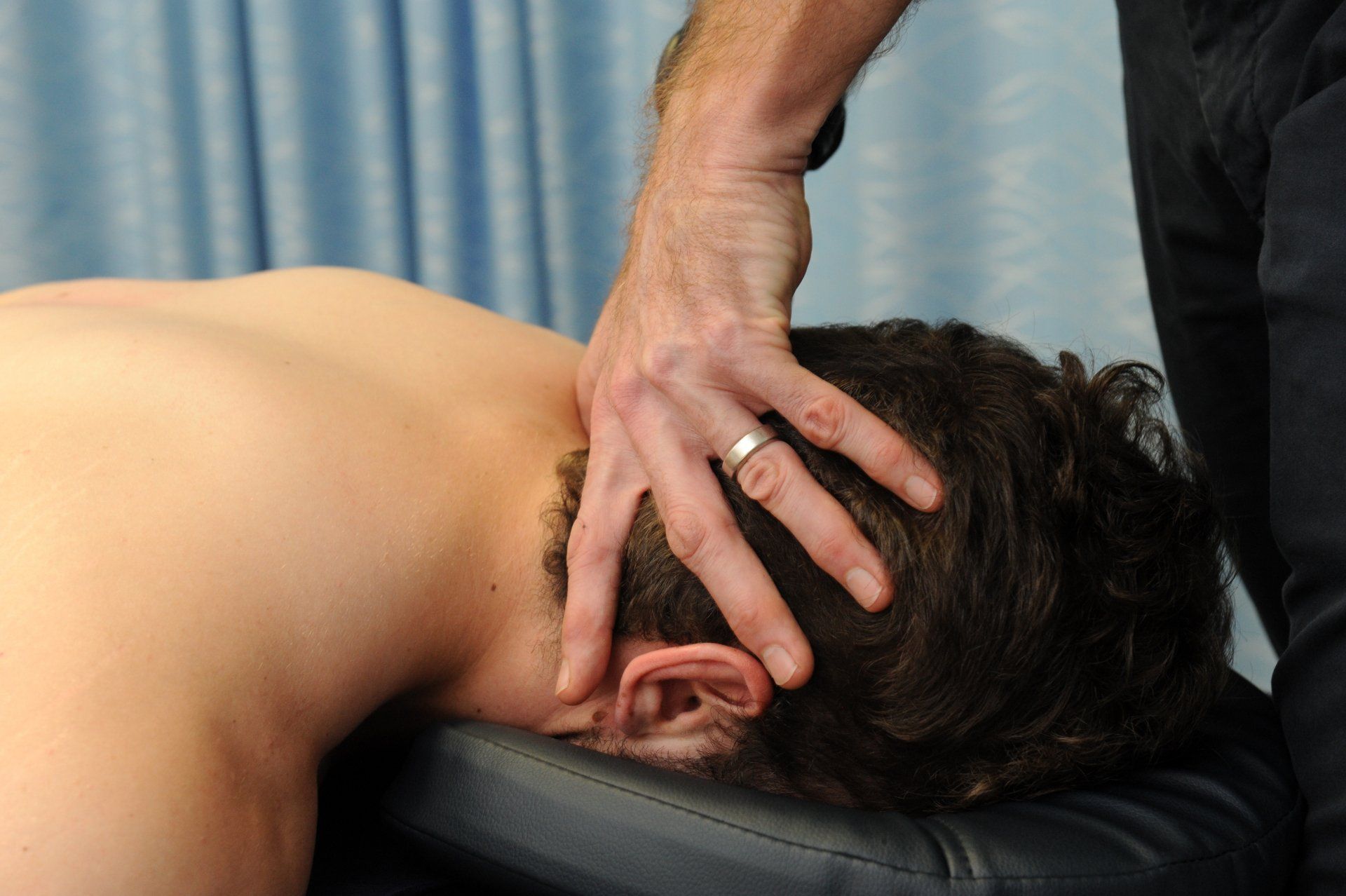

Back pain is extremely common, affecting 80% of people at some stage in their lives.
In addition to localised pain, the lower back can also refer pain to the hip, groin, leg and foot. Spinal discs, muscles, ligaments, bones and nerve tissue can all contribute to back pain.
The causes of back pain can include:
- Poor posture.
- Prolonged or repetitive sitting, bending or lifting.
- Weakness due to lack of exercise or being overweight.
- During pregnancy.
- Trauma such as a falls, sporting collisions or a motor vehicle accident.
The good news is we can help. Our Physiotherapists use a clinical framework model to accurately assess and manage both acute and chronic back pain. Our physio’s will provide you with strategies and treatment options to reduce your pain, improve your strength and flexibility, and achieve your goals.
More articles
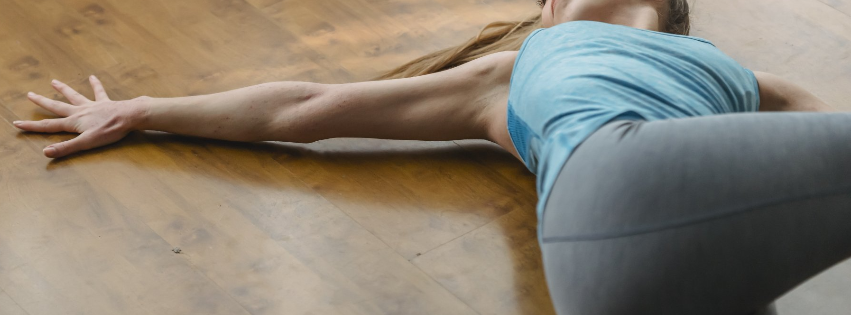
The sacroiliac joint (SIJ) as a source of pain and discomfort is often overlooked. Learn more here.

Learn how to safely return to physical activity after COVID-19, with guidance on pacing, exercise progression and rebuilding fitness.

The off-season is a key period for any athlete no matter your level of expertise.
