
Joint Pain Physiotherapy in Darwin
Understand your joint pain, improve your movement and get back to the activities that matter to you.
Joint pain can affect almost any part of the body and may develop following an injury, gradually over time or alongside conditions such as arthritis. Physiotherapy can help identify factors contributing to your symptoms and develop a practical treatment and rehabilitation plan around your needs and goals.
Understanding Joint Pain
Joint pain can affect your movement, strength and confidence, making everyday activities, work, exercise or sport more difficult.
Pain may come from the joint itself or from surrounding muscles, tendons, ligaments and other tissues. The factors contributing to your symptoms can also vary between people.
Joint pain may be associated with:
- Arthritis and age-related joint changes
- Sports and other injuries
- Muscle, tendon or ligament injuries
- Joint irritation or inflammation
- Previous surgery or injury
- Changes in strength, mobility or physical capacity
- Repetitive or increased physical activity
- Reduced activity and deconditioning
Your physiotherapist can assess your symptoms, movement and physical function to help determine the most appropriate approach.
How Physiotherapy Can Help With Joint Pain
Treatment is tailored to your symptoms, physical capacity and goals.
Physiotherapy can help you understand your symptoms, improve physical function and build your capacity to move with greater confidence.
Your treatment will depend on the joint involved, your symptoms, your physical capacity and what you want to achieve.

Assessment & Education
Understand your symptoms, movement and physical capacity, and identify factors that may be contributing to your joint pain.

Hands-On Treatment
Appropriate hands-on treatment may be used to help manage symptoms and support movement as part of your broader rehabilitation program.

Exercise Rehabilitation
Progressive exercise can help improve strength, mobility, balance, movement control and physical capacity.
Your Joint Pain Recovery
Your rehabilitation can change as your symptoms, movement and physical capacity improve.
Your physiotherapist will work with you to develop a practical plan based on your current situation and goals. This may include reducing pain, restoring movement, building strength, improving confidence and returning to work, exercise or everyday activities.
ASSESS
Understand your symptoms, movement and physical capacity.
TREAT
Address factors contributing to your symptoms using appropriate treatment approaches.
REBUILD
Progress exercise, strength, mobility and physical capacity.
RETURN
Work towards the activities and goals that are important to you.
Treatment Options That May Support Your Recovery
Your rehabilitation may include different approaches depending on the joint affected and your individual needs.
Some people with joint pain benefit from combining targeted exercise with other treatment approaches. Your physiotherapist can discuss which options may be appropriate for you.
Exercise Rehabilitation →
Progressive land-based exercise to build strength and physical capacity.
Hands-On Treatment →
Appropriate hands-on treatment may form part of a broader rehabilitation program.

Hydrotherapy →
Warm-water exercise may be useful when land-based exercise is painful, difficult or not yet appropriate.
Learn More About Joint Pain
Practical information from The Treatment Room.

Knee Osteoarthritis
Sore, stiff knee when you get out of a chair or climb stairs? Knee arthritis is painful, but exercise really can help.

Shoulder Dislocation
Shoulder dislocation is associated with complications and risk of recurrent instability, requiring patient-centred care to successfully return to activity.
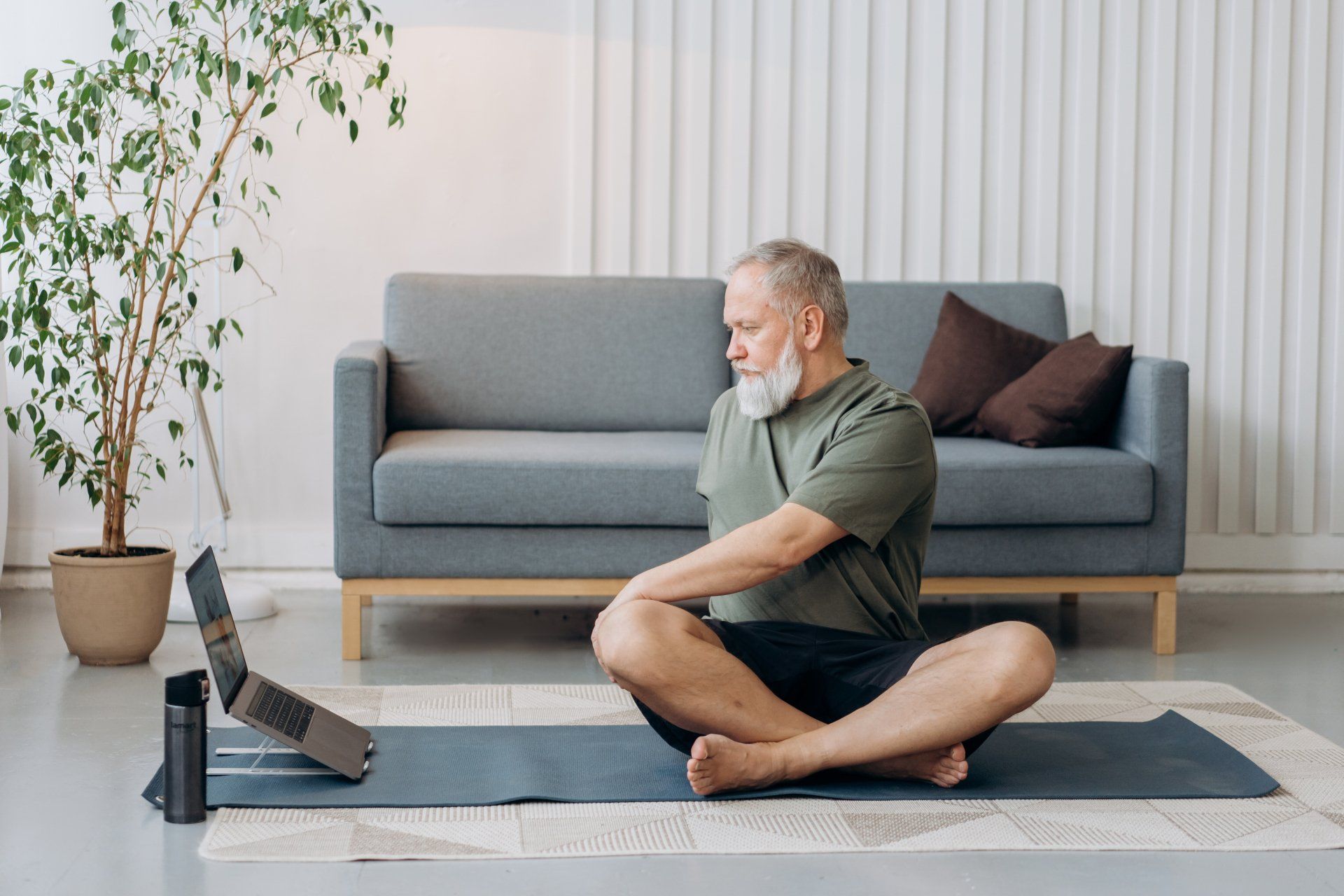
Hip Pain & Osteoarthritis
How your physio can reduce your risk of hip OA and assist in managing pain and symptoms if diagnosed with OA.
Ready to Take the Next Step?
You don't have to stop doing the things you enjoy because of joint pain.
If joint pain or a joint injury is affecting your movement, work, exercise or everyday activities, our physiotherapy team can assess your symptoms and help you determine the most appropriate next step.
