
Joint Injuries

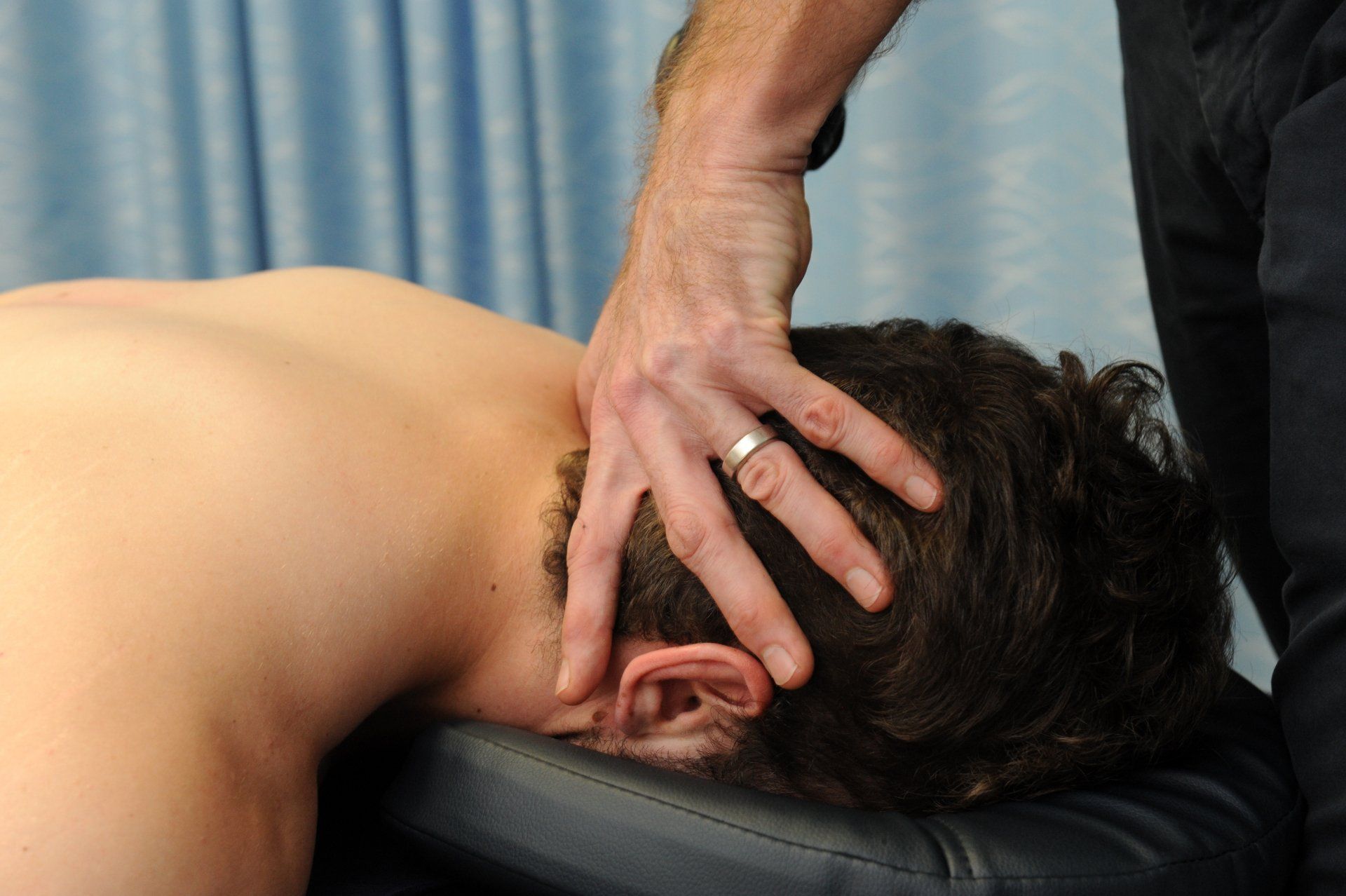

The shoulder, elbow, wrist, hand, hip, knee, ankle and foot are all susceptible to injury, whether that be through trauma or overuse.
Traumatic injuries include a fall or sporting accident, a sprained ankle, shoulder or knee cap dislocation, or a ligament tear, such as an ACL. Overuse and overload injuries include tendon problems such as Achilles tendonitis, joint pain associated with arthritis, and tennis elbow, a painful condition affecting the outside of the elbow.
Our physiotherapists are skilled at diagnosing and treating joint problems, and use a clinical reasoning framework to develop the best course of treatment, including management strategies and tips to avoid a recurrence in the future. We stock a large range of braces and supports and can refer for investigations such as an x-ray or MRI when required.
More articles
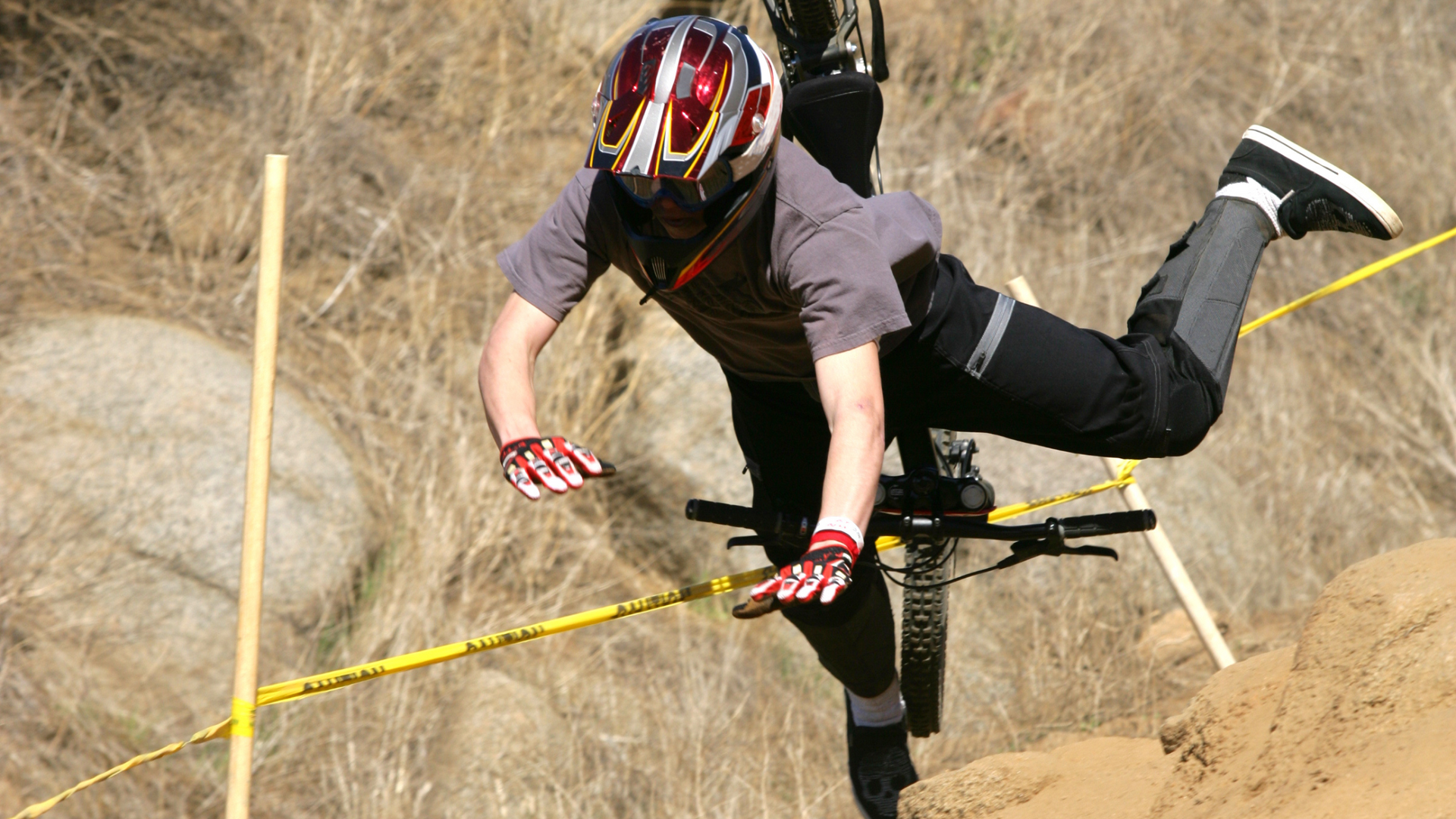
High speed activities such as mountain biking and snowboarding, and contact sports like AFL are common factors in many AC joint injuries.
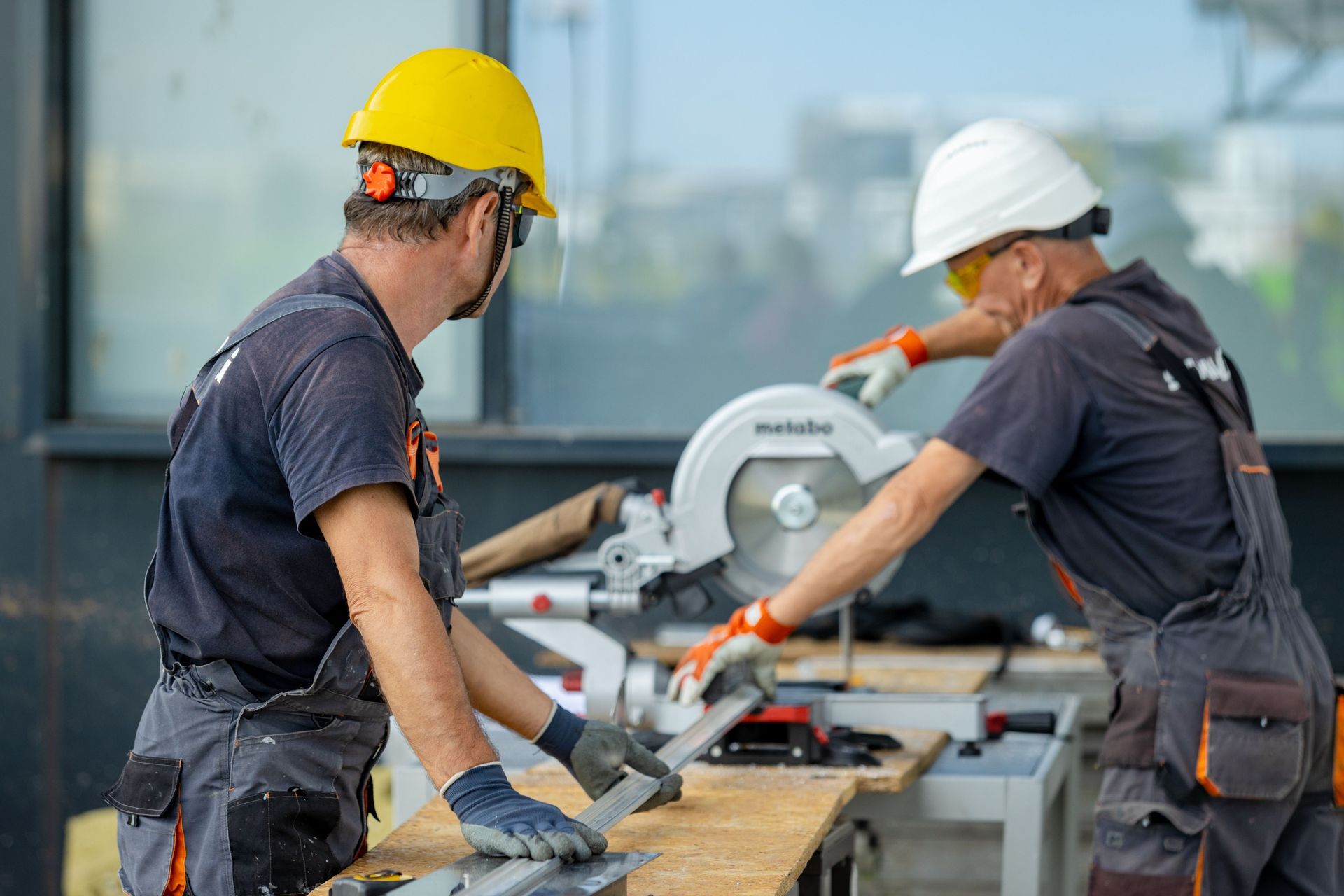
Sore back, dodgy knees, aching shoulders? Tradies carry the physical cost of the job. Here's how physiotherapy helps you go the distance.

Occupational and workplace health and safety is an essential aspect of modern business operations and crucial to the success of any organization.
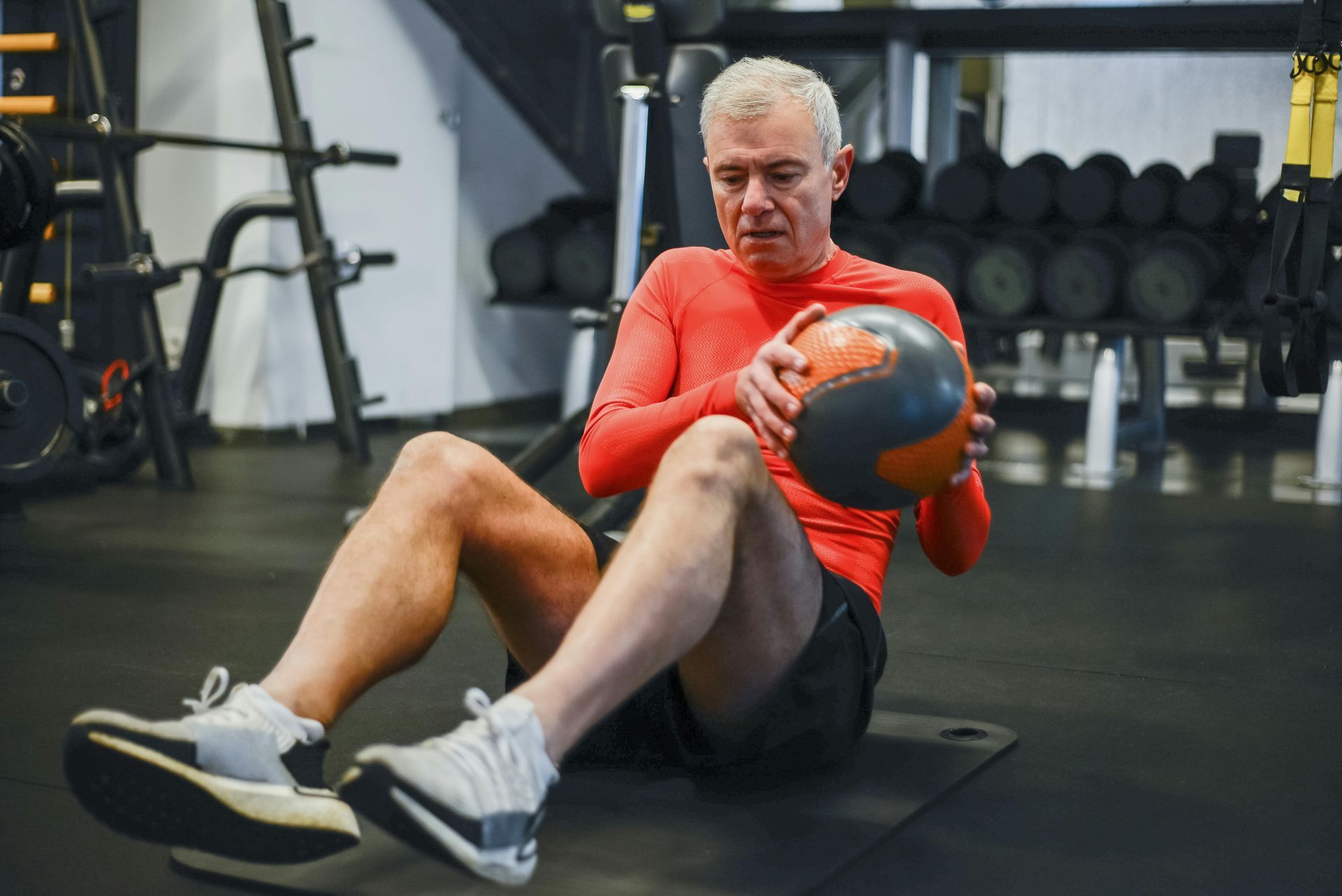
A comprehensive guide to recovery after cardiac bypass surgery.

Physiotherapy plays a vital role in supporting the physical development and well-being of individuals with Down Syndrome.
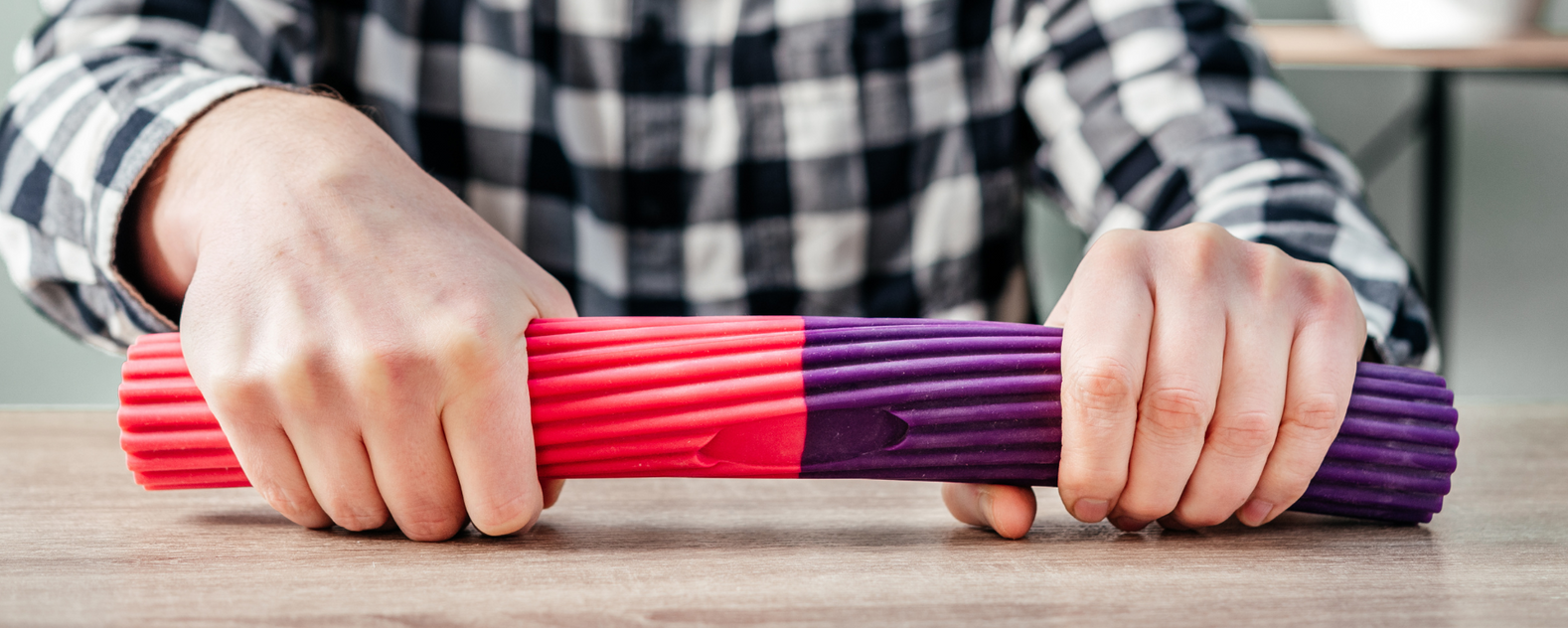
Early diagnosis and treatment of a scaphoid fracture is vital for best practice care and to achieve optimal outcomes.
