Tradies National Health Month 2026

Why Your Body Deserves the Same Attention as the Job

Nine in ten tradies experienced a work-related injury in the past year, and one in two say they live with severe pain. Yet only 10% regularly see a physio to help prevent it.
August is Tradies National Health Month, an initiative of the Australian Physiotherapy Association (APA), and it's a timely reminder that “she'll be right” isn't a treatment plan.
Every day, tradies climb ladders, kneel on concrete, swing hammers, carry sheets of gyprock, and crawl through roof cavities in serious heat. It's physically demanding work, and the body keeps the score. According to the APA's most recent tradie survey, 68% of tradies say they most commonly experience pain or discomfort in their back, neck or shoulders, and more than half say they lack confidence in their ability to keep working in their trade until retirement age — citing ongoing physical strain as the main reason.
Here's the genuinely good news: nearly two-thirds of tradies who've seen a physiotherapist report significant pain reduction, or complete resolution of their symptoms. Physiotherapy has a real, evidence-based role to play, both in treating injuries and in keeping tradies working for longer.
The Most Common Musculoskeletal Injuries in Tradies
Research into construction and trade workers consistently points to the same problem areas: the lower back, knees, shoulders and wrists. A major systematic review of the construction industry found the annual prevalence of musculoskeletal symptoms was 51% for the lower back, 37% for the knee, 32% for the shoulder, and 30% for the wrist.
Common presentations we see include:
- Low back pain and disc-related injuries, from repeated lifting, bending and awkward postures
- Knee injuries, including meniscal tears and patellofemoral pain, particularly in trades involving kneeling, squatting or ladder work like tiling, flooring and plumbing
- Shoulder injuries, such as rotator cuff tendinopathy and impingement, common in overhead trades like electrical, painting and plastering
- Elbow and wrist conditions, including tennis elbow and carpal tunnel syndrome, from repetitive gripping, vibrating power tools and manual handling
- Neck pain and headaches, often linked to prolonged awkward postures, or cervicogenic headaches and whiplash-type injuries from vehicle-related incidents while travelling between job sites
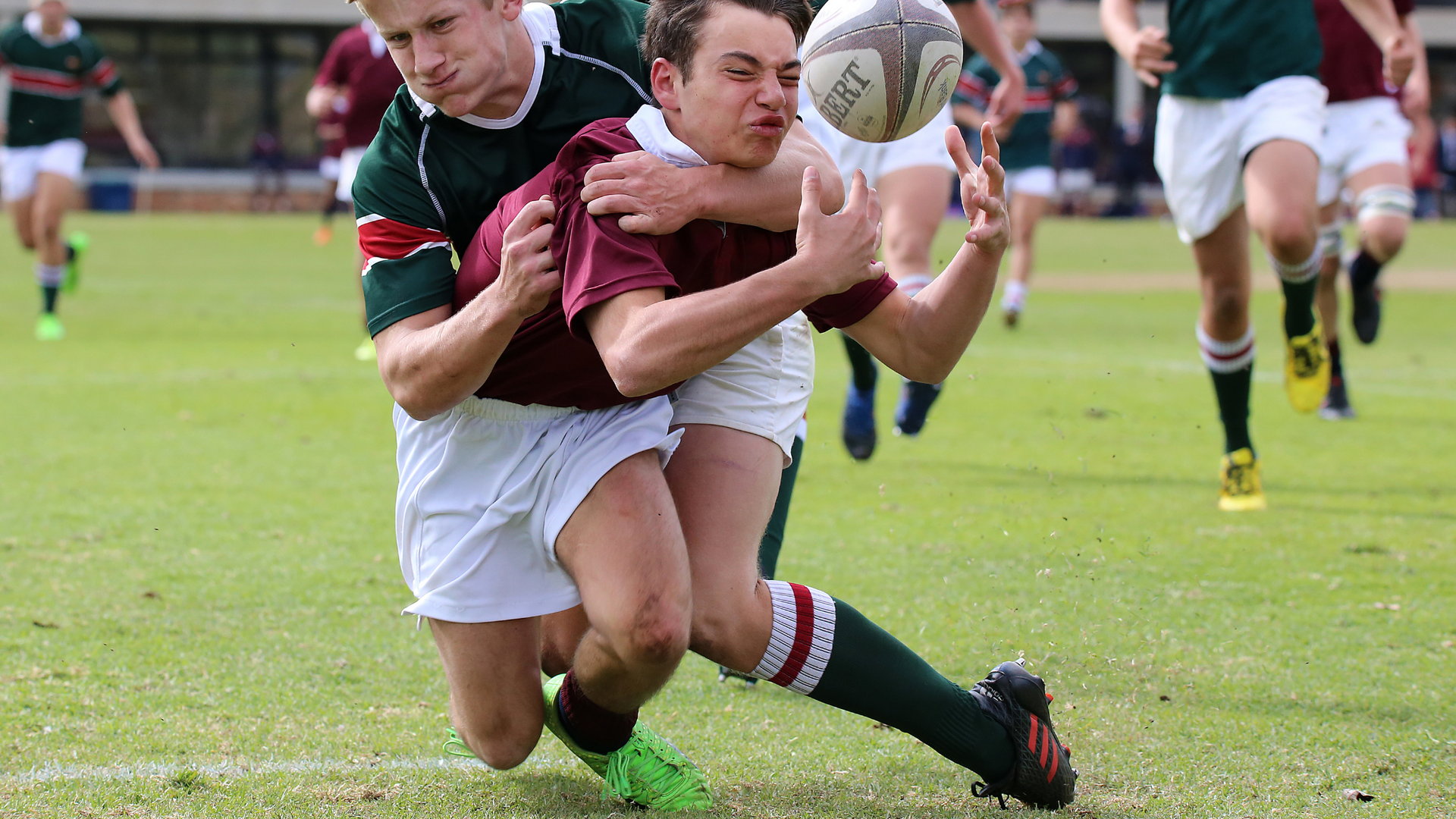
- Acute fractures and soft tissue injuries, from falls, being struck by objects, or manual handling incidents
Tradies' Health Challenges
Beyond the physical toll, tradies face a few specific challenges that make injury more likely, and recovery harder. Physically demanding, repetitive work is compounded by long hours, inconsistent access to proper equipment across different job sites, and a strong cultural pressure to push through pain rather than take time off.
Around one in five tradies also report mental health issues linked to workplace pressures, and pain that isn't managed well can compound that further. Add in the fact that most tradies are paid for the work they complete, not the hours they're unwell, and it's easy to see why so many people put off getting something checked.
Effective Prevention Strategies
The good news is that a lot of this is preventable. Effective prevention strategies include:
- Warming up and mobilising before physically demanding tasks, particularly first thing in the morning
- Using correct lifting and manual handling technique, and getting help with genuinely heavy or awkward loads
- Rotating tasks where possible to avoid prolonged repetitive strain on the same muscles and joints
- Investing in properly fitted footwear and supportive equipment, since poor footwear is a well-recognised contributor to lower limb and back pain
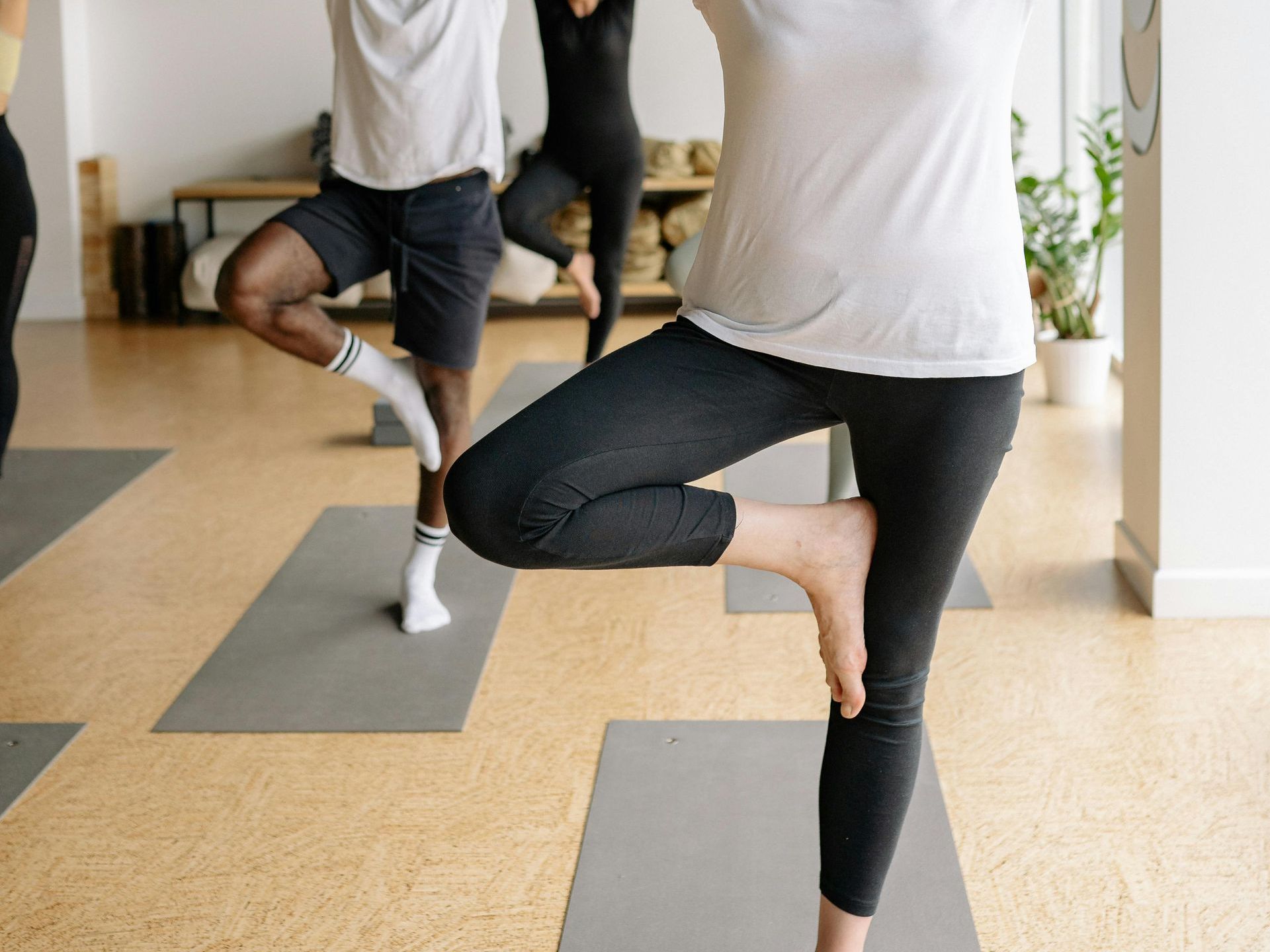
- Building general strength and conditioning outside of work hours through structured physiotherapy-guided exercise, so the body can better tolerate the physical demands of the job
- Getting a physiotherapy check-up periodically, not just after something goes wrong, to catch small issues before they become bigger ones
The Importance of Early Intervention
One of the clearest messages from the research, and from physiotherapists who work with tradies every day, is that early intervention changes outcomes. A niggling ache that gets pushed through for months is far more likely to become a chronic, harder-to-treat problem than the same issue picked up and managed in its first few weeks. Early assessment also means less time off tools, a lower chance of compensating with other body parts (which often creates a second injury on top of the first), and a much smaller impact on income and job security.
Why Tradies Need Physios
Physiotherapists are uniquely placed to support tradies, not just after an injury, but across an entire career. This includes:
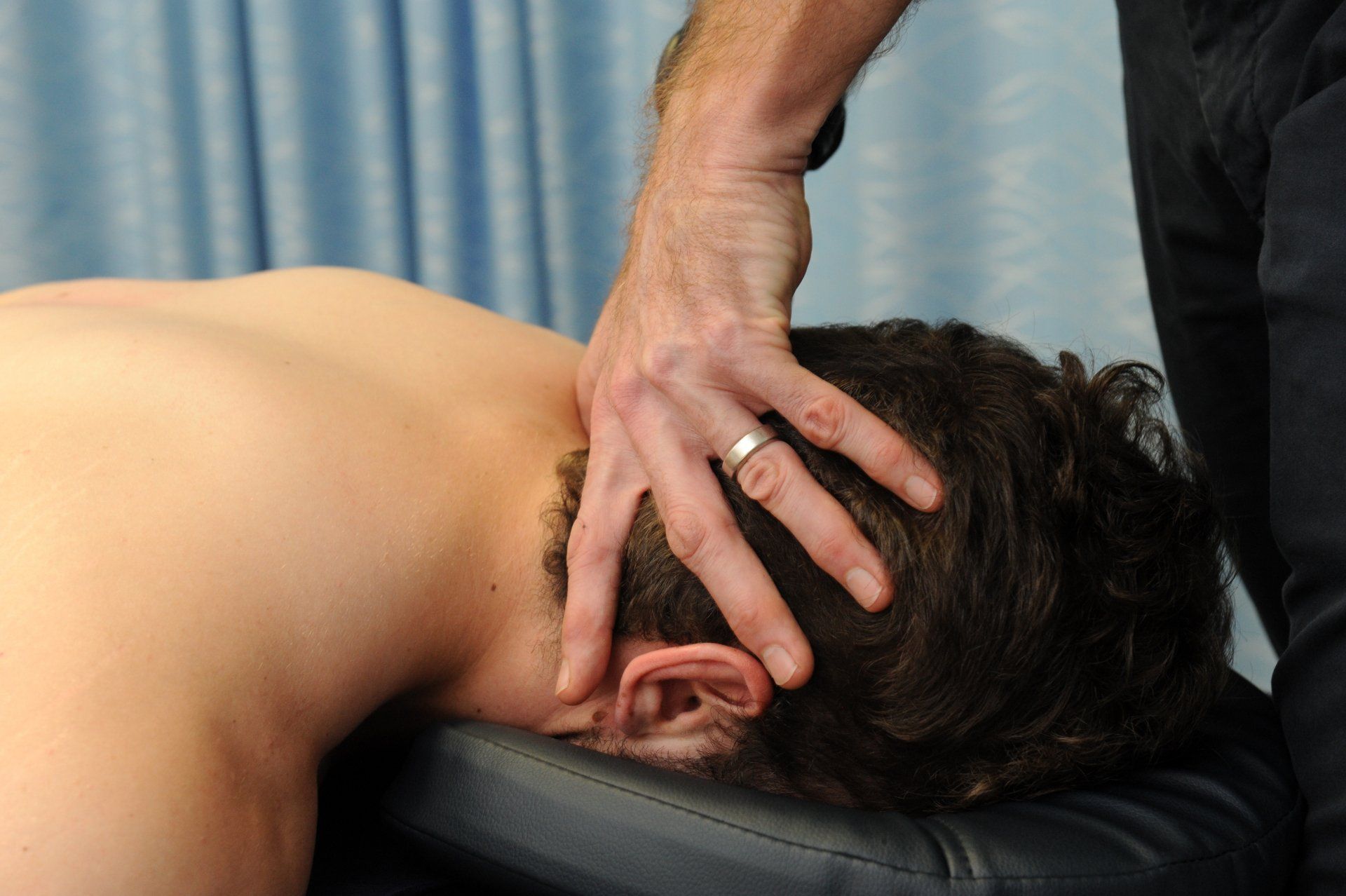
- Preventing injuries, through education on safe lifting, movement patterns and work setup
- Early intervention, addressing pain before it becomes a chronic, complex problem
- Enhancing quality of life, by managing pain effectively so tradies can keep doing the work, and the life, they enjoy
- Adapting with age, helping tradies adjust technique and load as their bodies change over a long career, so they can work towards retirement on their own terms rather than being forced out early by injury
Tradie's Health
Frequently Asked Questions
Ready to build your health?
Tradies keep the country running, but the physical cost is real and well documented. If you're a tradie carrying a niggle you've been ignoring, or you manage a crew and want to build a genuinely safer workplace, Tradies National Health Month is a good prompt to make the call.
Explore the full range of conditions we treat, or book online today. Getting on top of pain early is one of the simplest ways to protect your body, your income, and your career for the long haul.
Call us on 08 8945 3799 or click on BOOK AN APPOINTMENT to book online.
This article is general information only and does not replace individual clinical assessment. If you're experiencing joint or muscle pain, book an appointment with one of our physiotherapists for a tailored assessment and treatment plan.
Sources
Peer-Reviewed Literature
- Umer, W., Antwi-Afari, M. F., Li, H., Szeto, G. P. Y., & Wong, A. Y. L. (2018). The prevalence of musculoskeletal symptoms in the construction industry: A systematic review and meta-analysis. International Archives of Occupational and Environmental Health, 91(2), 125–144.
Organisational / Industry Sources
- Australian Physiotherapy Association. (n.d.). August is Tradies National Health Month. https://australian.physio/media/august-tradies-national-health-month
- Australian Physiotherapy Association. (n.d.). Tradies National Health Month. https://australian.physio/campaigns/tradies-national-health-month
- Empirica Research. (2019). Tradies Health Survey 2019 [Prepared for the Australian Physiotherapy Association].
- WorkSafe Victoria. (n.d.). Get the right tools to build a safe workplace.
More articles