Heart Health - Life After Bypass Surgery

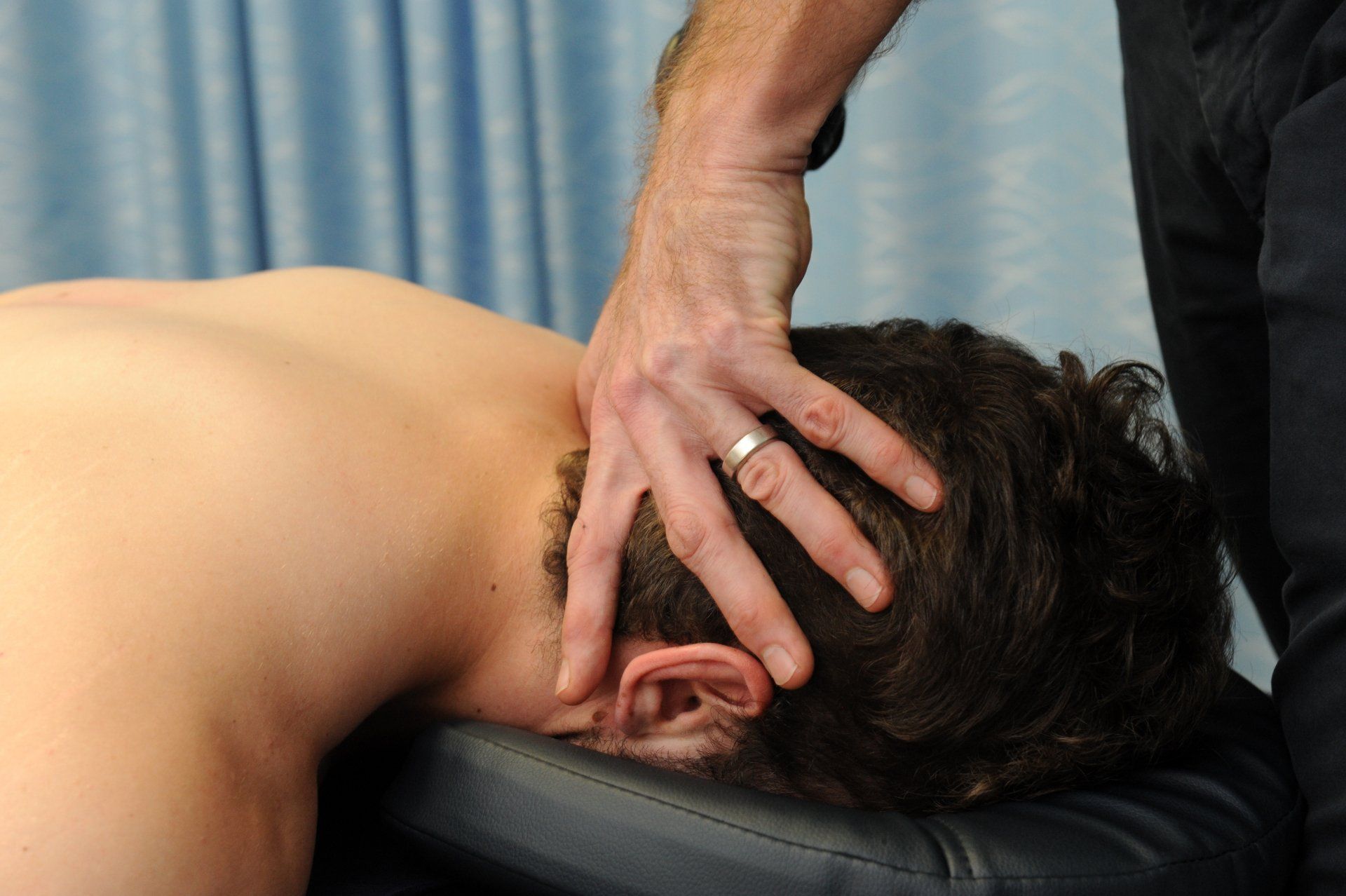

Exercise and lifestyle changes are essential following bypass surgery.

Bypass surgery is a life-changing procedure that restores blood flow to the heart, reducing symptoms of coronary artery disease. However, recovery doesn't end in the operating room—it's a journey that requires patience, rehabilitation, and lifestyle changes. This guide will walk you through what to expect after surgery and how to safely return to YOUR LIFE with confidence.
Who Gets Bypass Surgery?
Bypass surgery is typically recommended for people with severe coronary artery disease, a condition where the arteries supplying blood to your heart become narrowed or blocked. Several risk factors increase your likelihood of developing this condition:
- High blood pressure
- High cholesterol
- Smoking
- Obesity
- Diabetes
- Sedentary lifestyle
- Family history of heart disease
The decision to proceed with surgery depends on multiple factors: the size and location of the blockage, the severity of your symptoms (such as chest pain or shortness of breath), and whether conservative treatments—including medication, exercise, and diet changes—have been unsuccessful in managing your condition.
Understanding Your Heart: Anatomy 101
Your heart relies on coronary arteries to supply oxygen-rich blood to the heart muscle itself. When these arteries become blocked due to plaque buildup (a process called atherosclerosis), blood flow is restricted, increasing the risk of heart attacks and chest pain (angina).
Coronary artery bypass surgery creates a new route for blood flow by using a healthy blood vessel from another part of the body—typically the leg (saphenous vein), arm (radial artery), or chest (internal thoracic artery)—to bypass the blockage. This procedure improves circulation and heart function, helping relieve symptoms and reduce your risk of future heart problems.
While bypass surgery dramatically improves blood flow, it does not cure coronary artery disease or prevent future blockages from forming.
This is why rehabilitation, physiotherapy, and lifestyle changes are essential for long-term heart health and preventing disease progression.
The First Few Weeks After Surgery: What to Expect
Most patients stay in the hospital for 5 to 7 days after bypass surgery. Complete recovery typically takes 6 to 12 weeks, though this varies based on your age, overall health, and any complications. Recovery in the early weeks focuses on healing, preventing complications, managing pain, and gradually increasing activity. During this time, you should:
1. Breathing and Movement:
- Perform breathing and coughing exercises several times daily to prevent lung complications
- Start walking short distances (5-10 minutes) within the first week after discharge
- Gradually increase walking duration each week, working up to 30-60 minutes daily
2. Activity Restrictions:
- Avoid heavy lifting (generally nothing over 5-10 pounds) for 6-8 weeks
- Avoid pushing, pulling, or reaching overhead until your sternum (breastbone) heals
- Follow your surgeon's specific guidelines about driving (typically 4-6 weeks)
- Avoid strenuous activities that strain your chest
3. Wound Care:
- Keep incision sites clean and dry
- Watch for signs of infection (increased redness, swelling, drainage, or fever)
- Report any concerning symptoms to your healthcare team immediately
4. Pain Management:
- Take prescribed pain medications as directed
- Expect some chest discomfort, especially around the incision site
- Use a pillow to support your chest when coughing or sneezing
5. Lifestyle Priorities:
- Follow a heart-healthy diet low in saturated fats and sodium
- Practice stress management techniques
- Get adequate sleep to support healing
- Attend all follow-up appointments
Mental Health Matters: The Emotional Side of Recovery
Emotional well-being is just as important as physical recovery. Research shows that anxiety and depression affect nearly 50% of patients after heart surgery, with depression rates ranging from 14% to 43% before surgery and about 20% remaining depressed afterward.
Common emotional experiences include:
- Feeling anxious or worried about your recovery
- Experiencing mood swings or irritability
- Feeling depressed or low in spirit
- Worrying about returning to normal activities
- Concerns about future heart problems
The good news: Depression and anxiety symptoms typically improve within the first year after surgery, especially with proper support and treatment. Studies show that interventions such as cognitive behavioural therapy, counselling, and cardiac rehabilitation programs can significantly improve mental health outcomes and quality of life.
What you can do:
- Talk openly with your healthcare providers about how you're feeling
- Consider joining a support group for heart surgery patients
- Stay connected with family and friends
- Participate in cardiac rehabilitation, which has been shown to reduce depressive symptoms
- Don't hesitate to seek professional help if feelings of depression or anxiety persist
For additional support and patient stories, visit:
- https://www.bhf.org.uk/informationsupport/heart-matters-magazine/my-story/richard-gale
- https://www.heartfoundation.org.au/your-heart/support/feelings-and-emotions-after-a-heart-attack
How Long Will It Take to Get Back to My Life?
Recovery times vary from person to person based on age, overall health, and the complexity of your surgery. However, general guidelines suggest:
2-4 weeks: Light activity
- Walking around your home and neighbourhood
- Light household tasks (folding laundry, preparing simple meals)
- Self-care activities (showering, dressing)
6-8 weeks: Returning to work
- Office jobs and sedentary work
- Gradual return to daily routines
- Driving (with your doctor's approval)
8-12 weeks: Resuming recreational activities
- Golf, swimming, or light sports
- More vigorous household tasks
- Sexual activity (discuss timing with your doctor)
3-6 months: Full recovery
- High-intensity exercise and activities
- Return to all pre-surgery activities
- Optimal physical conditioning
Remember: These are general timelines. Your individual recovery may be faster or slower. Always follow your healthcare team's specific recommendations and progress at your own pace.
The Power of Cardiac Rehabilitation
Cardiac rehabilitation is strongly recommended for all patients after bypass surgery—it's considered a Class I recommendation (the highest level) by the American College of Cardiology and American Heart Association. This means the evidence supporting its benefits is overwhelming.
What is cardiac rehabilitation?
Cardiac rehabilitation is a comprehensive, medically supervised program that includes:
- Structured exercise training tailored to your fitness level
- Education about heart disease and risk factors
- Nutritional counselling for heart-healthy eating
- Psychological support and stress management
- Medication management and monitoring
- Support for lifestyle changes
Cardiac rehabilitation has numerous proven benefits. Research demonstrates that cardiac rehabilitation significantly:
- Reduces risk of death by 20-30%
- Decreases hospital readmissions
- Improves cardiovascular fitness and exercise capacity
- Helps manage symptoms like chest pain and shortness of breath
- Lowers risk of future cardiac events
- Increases confidence and independence
- Provides emotional and psychological support
- Improves quality of life
- Reduces healthcare costs
You should be referred to cardiac rehabilitation either before hospital discharge or during your first outpatient visit. Recent evidence shows that starting rehabilitation as early as 2 weeks after surgery (rather than waiting the traditional 6 weeks) is safe and may accelerate recovery, though your doctor will determine the best timing for you.
Program options:
- Centre-based programs: Traditional supervised exercise at a cardiac rehabilitation facility
- Home-based programs: Structured programs you complete at home with remote monitoring
- Hybrid programs: Combination of centre-based and home-based activities
Both centre-based and home-based cardiac rehabilitation have been shown to produce similar improvements in quality of life and outcomes. The best program for you is the one you'll attend and complete. You can learn more about cardiac rehabilitation here.
Essential Lifestyle Changes for Long-Term Success
Bypass surgery gives you a second chance at heart health but maintaining that improvement requires lifelong commitment to healthy habits. Think of these changes not as restrictions, but as investments in your future.
1. Medications (Take as Prescribed)
Your doctor will prescribe several medications to protect your heart and grafts:
- Aspirin: Lifelong antiplatelet therapy (typically 81 mg daily)
- Statins: High-intensity cholesterol-lowering medication for all patients
- Beta-blockers: Especially if you've had a heart attack or have reduced heart function
- ACE inhibitors: If you have diabetes or reduced heart function
- Other medications: As needed for blood pressure, diabetes, or other conditions
2. Quit Smoking (The Single Most Important Change)
If you smoke, quitting is the most important thing you can do for your heart. Smoking cessation reduces your risk of recurrent heart problems by 50% and significantly improves graft survival. Ask your healthcare team about smoking cessation programs, medications, and support resources.
3. Eat a Heart-Healthy Diet
Follow a Mediterranean-style diet rich in:
- Fruits and vegetables
- Whole grains
- Lean proteins (fish, poultry, legumes)
- Healthy fats (olive oil, nuts, avocados)
- Limited saturated fats, trans fats, and sodium
Studies show that maintaining a Mediterranean diet after heart surgery reduces the risk of
recurrent heart problems and death by up to 62%.
4. Stay Physically Active
Regular exercise is crucial for maintaining heart health:
- Aim for at least 150 minutes of moderate-intensity exercise per week
- Include both aerobic exercise (walking, cycling, swimming) and strength training
- Start slowly and gradually increase intensity
- Make physical activity a permanent part of your routine
Research shows that patients who exercise regularly after bypass surgery have a 31% lower risk
of death and 51% lower risk of recurrent heart problems.
5. Maintain a Healthy Weight
If you're overweight, losing even 5-10% of your body weight can significantly improve heart health, blood pressure, cholesterol, and diabetes control.
6. Manage Stress
Chronic stress affects heart health. Practice stress-reduction techniques such as:
- Deep breathing exercises
- Meditation or mindfulness
- Yoga or tai chi
- Hobbies and activities you enjoy
- Spending time with loved ones
7. Control Other Risk Factors
Work with your healthcare team to manage:
- Blood pressure (target: less than 130/80 mmHg)
- Cholesterol (LDL goal: less than 70 mg/dL)
- Blood sugar (if you have diabetes)
8. Attend All Follow-Up Appointments
Regular check-ups allow your healthcare team to monitor your progress, adjust medications, and catch any problems early.
The Take Home Message
Bypass surgery is just the first step toward better heart health. Long-term success depends on three pillars:
1. Early rehabilitation: Starting a cardiac rehabilitation program as soon as your doctor recommends
2. Structured physiotherapy: Following a progressive exercise program tailored to your needs
3. Lifestyle changes: Committing to heart-healthy habits for life
With the right support, dedication, and medical care, you can return to an active, fulfilling life. Studies show that patients who engage in cardiac rehabilitation and maintain healthy lifestyle changes can expect significant improvements in quality of life, reduced symptoms, and better long-term outcomes.
Remember: You're not alone on this journey. Your healthcare team, cardiac rehabilitation professionals, family, and support networks are all here to help you succeed. Take it one day at a time, celebrate your progress, and stay committed to your heart health.
Your heart has been given a second chance—make the most of it.
Have you had bypass surgery and want to improve your heart health? Give us a call.
At Movement for Life Physiotherapy, we understand heart health and can safely assess your tolerance to physical activity in a controlled environment. With a clear understanding of your physical capacity and a tailored management plan, we'll help get you moving to your own beat and back to the things you love sooner.
Give us a call now or click on BOOK AN APPOINTMENT to book online.
Sources
- Alexander, J. H., & Smith, P. K. (2016). Coronary-Artery Bypass Grafting. The New England journal of medicine, 374(20), 1954–1964. https://doi.org/10.1056/NEJMra1406944
- Booth III, J. N., Levitan, E. B., Brown, T. M., Farkouh, M. E., Safford, M. M., & Muntner, P. (2014). Effect of sustaining lifestyle modifications (nonsmoking, weight reduction, physical activity, and mediterranean diet) after healing of myocardial infarction, percutaneous intervention, or coronary bypass (from the REasons for Geographic and Racial Differences in Stroke Study). The American journal of cardiology, 113(12), 1933-1940.
- Caspi-Avissar, N., Grosman-Rimon, L., Gohari, J., Arazi, M., Granot, D., Ghanim, D., Carasso, S., Shalabi, A., Sudarsky, D., Eilat-Adar, S., Kinany, W., Amir, O., & Kachel, E. (2021). Clinical, Surgical, and Sociopsychological Factors and Depression After Cardiothoracic Surgery. The Annals of thoracic surgery, 111(3), 1064–1070. https://doi.org/10.1016/j.athoracsur.2020.05.130
- Doyle, M. P., Indraratna, P., Tardo, D. T., Peeceeyen, S. C., & Peoples, G. E. (2019). Safety and efficacy of aerobic exercise commenced early after cardiac surgery: a systematic review and meta-analysis. European Journal of Preventive Cardiology, 26(1), 36-45.
- Ennis, S., Lobley, G., Worrall, S., Evans, B., Kimani, P. K., Khan, A., ... & McGregor, G. (2022). Effectiveness and safety of early initiation of poststernotomy cardiac rehabilitation exercise training: the SCAR randomized clinical trial. JAMA cardiology, 7(8), 817-824.
- Gaudino, M., Andreotti, F., & Kimura, T. (2023). Current concepts in coronary artery revascularisation. Lancet (London, England), 401(10388), 1611–1628. https://doi.org/10.1016/S0140-6736(23)00459-2
- Kulik, A., Ruel, M., Jneid, H., Ferguson, T. B., Hiratzka, L. F., Ikonomidis, J. S., ... & Zimmerman, L. (2015). Secondary prevention after coronary artery bypass graft surgery: a scientific statement from the American Heart Association. Circulation, 131(10), 927-964.
- Lawton, J. S., Tamis-Holland, J. E., Bangalore, S., Bates, E. R., Beckie, T. M., Bischoff, J. M., ... & Zwischenberger, B. A. (2022). 2021 ACC/AHA/SCAI guideline for coronary artery revascularization: executive summary: a report of the American College of Cardiology/American Heart Association Joint Committee on Clinical Practice Guidelines. Circulation, 145(3), e4-e17.
- Rosson, S., Monaco, F., Miola, A., Cascino, G., Stubbs, B., Correll, C. U., Firth, J., Ermis, C., Perrotti, A., Marciello, F., Carvalho, A. F., Brunoni, A. R., Fusar-Poli, P., Fornaro, M., Gentile, G., Granziol, U., Pigato, G., Favaro, A., & Solmi, M. (2021). Longitudinal Course of Depressive, Anxiety, and Posttraumatic Stress Disorder Symptoms After Heart Surgery: A Meta-Analysis of 94 Studies. Psychosomatic medicine, 83(1), 85–93. https://doi.org/10.1097/PSY.0000000000000872
- Williams, M. S., Levine, G. N., Kalra, D., Agarwala, A., Baptiste, D., Cigarroa, J. E., ... & Tamis-Holland, J. E. (2025). 2025 AHA/ACC clinical performance and quality measures for patients with chronic coronary disease: a report of the American College of Cardiology/American Heart Association Joint Committee on Performance Measures. Circulation: Cardiovascular Quality and Outcomes, 18(6), e000140.
More articles