NDIS - Down Syndrome

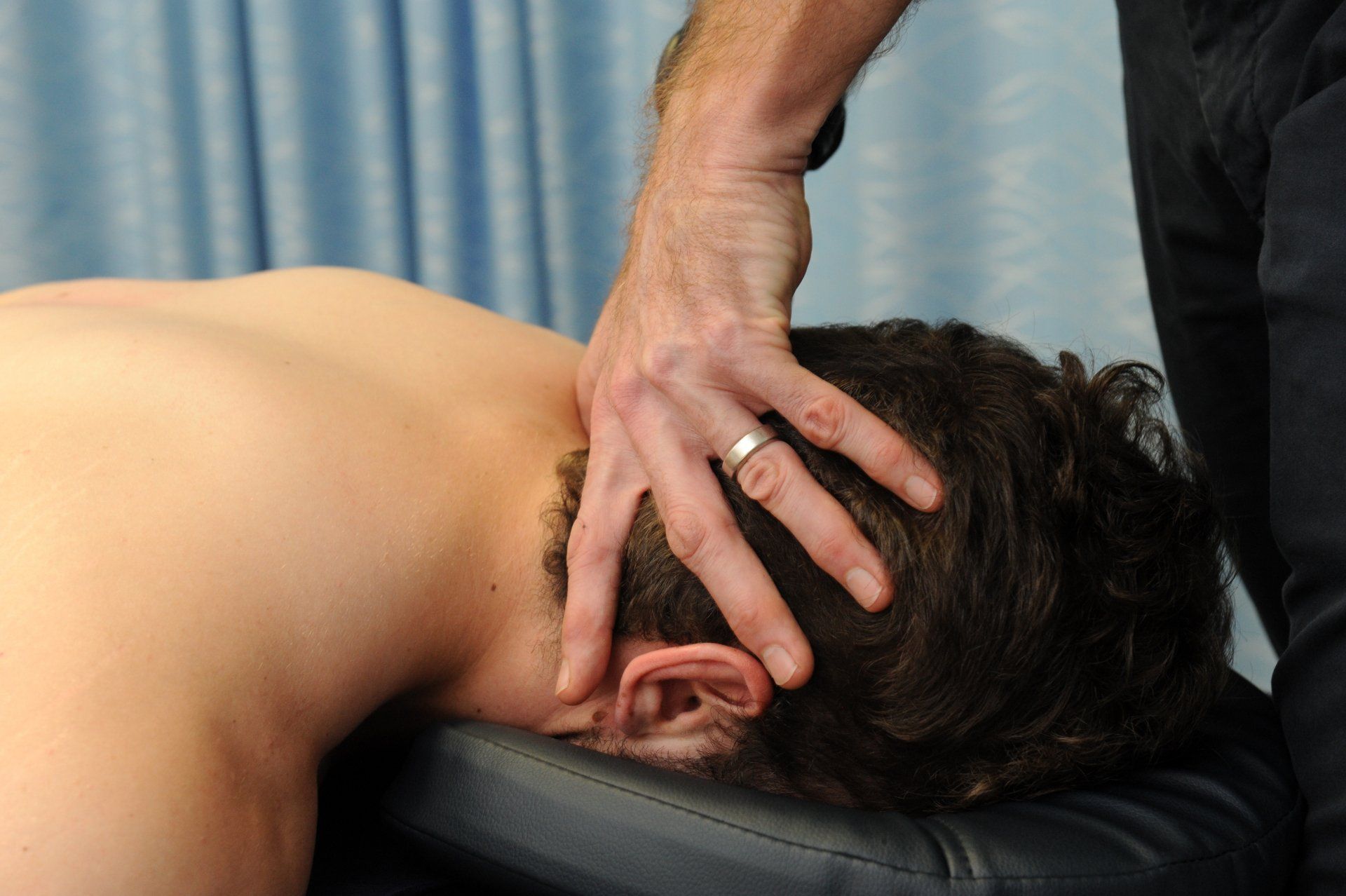

Exploring NDIS Physiotherapy Services for People with Down Syndrome in Australia: A Comprehensive Guide
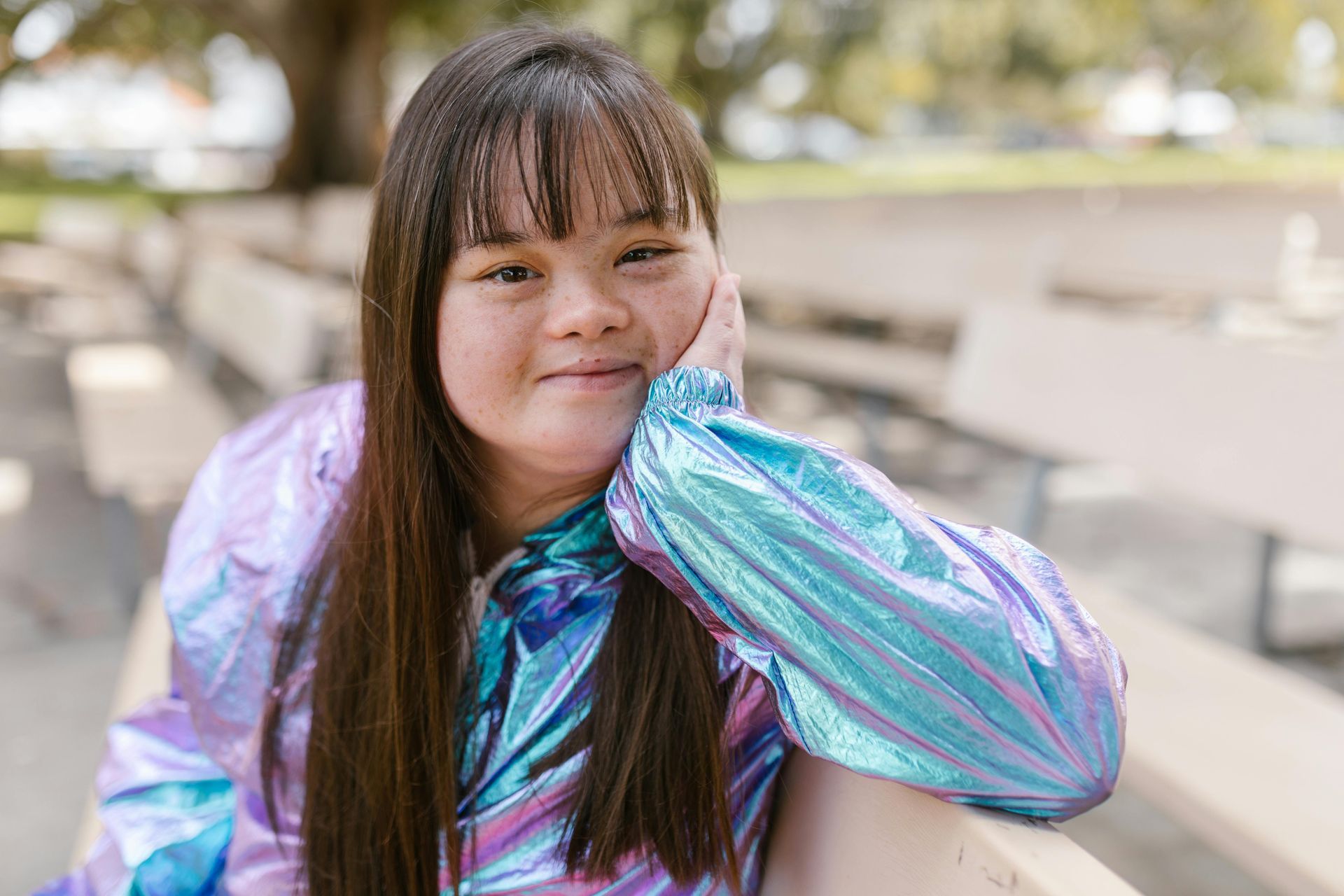
Down syndrome is one of the most common chromosomal conditions in Australia. Down Syndrome affects around 1 in every 1,158 births in Australia. Down Syndrome Australia reports that between 2016 and 2020, there were an estimated 265 babies born with Down syndrome each year. Individuals with Down Syndrome often experience a range of physical, cognitive, and emotional challenges.
Physiotherapy services can play a critical role in improving the quality of life for these
individuals by addressing their unique needs (Cioni et al., 2011).
In Australia, the National Disability Insurance Scheme (NDIS) may fund physiotherapy when it is related to a person's disability and helps build or maintain functional skills and independence (NDIS, 2025). Physiotherapy can support movement, strength, balance, posture, motor development, mobility and participation in everyday life.
This blog explains what Down Syndrome is, how it commonly presents, how it may affect quality of life, and how NDIS physiotherapy services can support individuals with Down Syndrome in Australia.
What is Down syndrome?
Down syndrome is a genetic condition caused by an extra copy of chromosome 21, often referred to as trisomy 21. It occurs at conception and is not caused by anything a parent did or did not do. People with Down syndrome have a wide range of strengths, abilities and support needs, and no two individuals present in exactly the same way (Healthdirect Australia, 2024).
Down syndrome is also the most common genetic cause of intellectual disability.
With the right supports, health care and inclusive opportunities, many people with Down Syndrome participate in education, employment, sport, family life and community life in meaningful ways (Healthdirect Australia, 2024).
How Down syndrome may present
Down syndrome can affect physical development, learning, communication and health. Common features may include developmental delay, hypotonia or low muscle tone, joint laxity, reduced strength, delayed gross motor milestones, and intellectual disability of varying degrees (DSA, 2024).
People with Down syndrome are also more likely to experience associated health conditions such as congenital heart disease, hearing and vision difficulties, thyroid disorders, sleep apnoea, coeliac disease, obesity and some musculoskeletal concerns.
Does the NDIS fund physiotherapy for people with Down syndrome?
Yes. The NDIS may fund physiotherapy when it is considered a disability-related support and is likely to help the participant build or maintain functional capacity, independence or participation.
To access NDIS Down Syndrome physiotherapy services, individuals must first be deemed eligible for the NDIS. This involves meeting specific age, residency, and disability criteria (NDIS, 2025). Once eligibility is confirmed, a tailored NDIS plan will be developed, outlining the support and services that an individual requires, including physiotherapy.
To find NDIS-registered physiotherapy providers, individuals can use the NDIS Provider Finder tool, available on the NDIS website (NDIS, 2026). Additionally, healthcare professionals, such as general practitioners, pediatricians, and other therapists, can provide recommendations and referrals for suitable physiotherapy services.
Physiotherapy Services Under the NDIS
Physiotherapy services are an integral component of NDIS support packages for individuals with Down Syndrome. These services aim to address a range of physical challenges, including muscle strength, motor skills, balance, and coordination (Cioni et al., 2011).
Physiotherapy focuses on movement, function and participation and is especially beneficial when introduced early in a child's life, as it can help improve motor development, promote independence, and prevent secondary complications (Cioni et al., 2011).
For babies and children, physiotherapy often targets motor development such as rolling, sitting, crawling, standing, walking, jumping and stair climbing. For adolescents and adults, it may focus more on posture, gait, strength, balance, falls prevention, pain management, exercise participation and maintaining mobility over time (DSA, 2024; NDIS, 2025).
NDIS physiotherapy should be individualised and goal-based. Depending on age and need, physiotherapy goals may include improving gross motor skills, increasing strength and endurance, building balance and coordination, supporting posture and joint stability, improving walking efficiency, reducing falls, increasing confidence in community settings, and helping families or support workers implement home-based strategies (NDIS, 2025).
The Take Home
NDIS Down Syndrome physiotherapy services play a vital role in supporting the physical development and well-being of individuals with Down Syndrome in Australia. By accessing these services through the NDIS, individuals with Down Syndrome can continue to build skills, participate in their communities and improve quality of life across the lifespan (Healthdirect Australia, 2024). Contact us today. To find out how we can support your Physiotherapy goals!
Are you looking for goal-oriented therapy to assist with Down Syndrome? Then give us a call.
If you or your child has Down Syndrome and you are exploring physiotherapy through the NDIS, start with goals that matter in everyday life. Call us today to find out how we can help you achieve your goals and increase your independence. All our clients are individually assessed, and programs tailored to your specific needs. We are the only QIP Accredited Physiotherapy services in the Northern Territory and an approved NDIS provider.
References
- Down Syndrome Australia. (2024). Get Active Resource Workbook. https://www.downsyndrome.org.au/qld/wp-content/uploads/sites/7/2024/07/Get-Active-Resource-booklet-v11.pdf
- Down Syndrome Australia. (n.d.-a). Population statistics. https://www.downsyndrome.org.au/about-down-syndrome/statistics/population-statistics/
- National Disability Insurance Scheme. (2025a, October 23). Therapy supports. https://www.ndis.gov.au/understanding/supports-funded-ndis/therapy-supports
- National Disability Insurance Scheme. (2025b). Supports funded by the NDIS. https://www.ndis.gov.au/understanding/supports-funded-ndis
- National Disability Insurance Scheme. (2025d). Am I eligible? https://www.ndis.gov.au/applying-access-ndis/am-i-eligible
- National Disability Insurance Scheme. (2026). Allied health providers. https://www.ndis.gov.au/providers/working-provider/allied-health-providers
- Royal Children's Hospital Melbourne. (2026). Screening for children with Down syndrome.
https://www.rch.org.au/genmed/clinical_resources/Screening_for_children_with_Down_Syndrome/
More articles