PINC: Physiotherapy-Led Cancer Rehabilitation

A space to help you reclaim your strength, confidence & quality of life.

Fewer than 13% of people in Australia currently receive exercise guidance as part of their cancer care — despite exercise being one of the most well-evidenced ways to counteract treatment side effects and support recovery.


Cancer treatment is tough on the body. Surgery, chemotherapy, radiation therapy and hormone treatments can leave people dealing with fatigue, pain, stiffness, weakness, reduced fitness, and a real loss of confidence in their own body — sometimes for months or years after treatment finishes.


For a long time, rehabilitation simply wasn't part of the conversation around cancer care.

That's changing, and for good reason.


The Clinical Oncology Society of Australia (COSA) now recommends exercise be embedded as standard practice in cancer care, not treated as an optional extra. Physiotherapy-led cancer rehabilitation, and structured programs like PINC & STEEL in particular, are helping close that gap.


The Benefits of Cancer Rehabilitation

Physiotherapy-led cancer rehabilitation isn't just about getting fit. It's about function, confidence and quality of life, both during treatment and long after it finishes.


The evidence supports benefits including:

  • Improved physical function, including aerobic fitness, muscular strength and everyday functional ability
  • Reduced cancer-related fatigue, one of the most common and disruptive side effects of treatment
  • Better management of psychological distress, and improved quality of life across physical, emotional and social domains
  • Reduced severity of other treatment-related side effects, such as lymphoedema, joint stiffness and reduced range of motion
  • Support for a faster, safer return to work, sport and everyday activities
  • Emerging evidence of reduced risk of cancer recurrence and other chronic conditions with regular exercise during and after treatment


Which Cancers Benefit From Rehabilitation?

Virtually any type or stage of cancer can benefit from physiotherapy input, though the specific focus depends on the diagnosis and treatment involved.


Common examples include:

  • Breast cancer, where rehabilitation commonly addresses shoulder and arm mobility, scar tissue management, and lymphoedema risk following surgery or lymph node removal
  • Bowel and colorectal cancer, often involving core and abdominal strength, general deconditioning and fatigue management following major surgery
  • Prostate and other pelvic cancers, where pelvic floor and continence-related rehabilitation is often a key focus
  • Head and neck cancer, where neck and shoulder mobility, and swallowing-related function, are often affected by surgery and radiation
  • Lung cancer, where breathing retraining and aerobic reconditioning play a central role
  • Blood cancers and lymphoma, where general deconditioning, fatigue and reduced muscle strength from extended treatment are common
  • Gynaecological cancers, where pelvic health, core strength and lymphoedema management are often relevant


Rehabilitation isn't reserved for people who've finished active treatment, either. It's relevant before surgery (to optimise strength and function ahead of a major physical event), during active treatment, and for years into survivorship.


What Does Cancer Rehabilitation Actually Look Like?

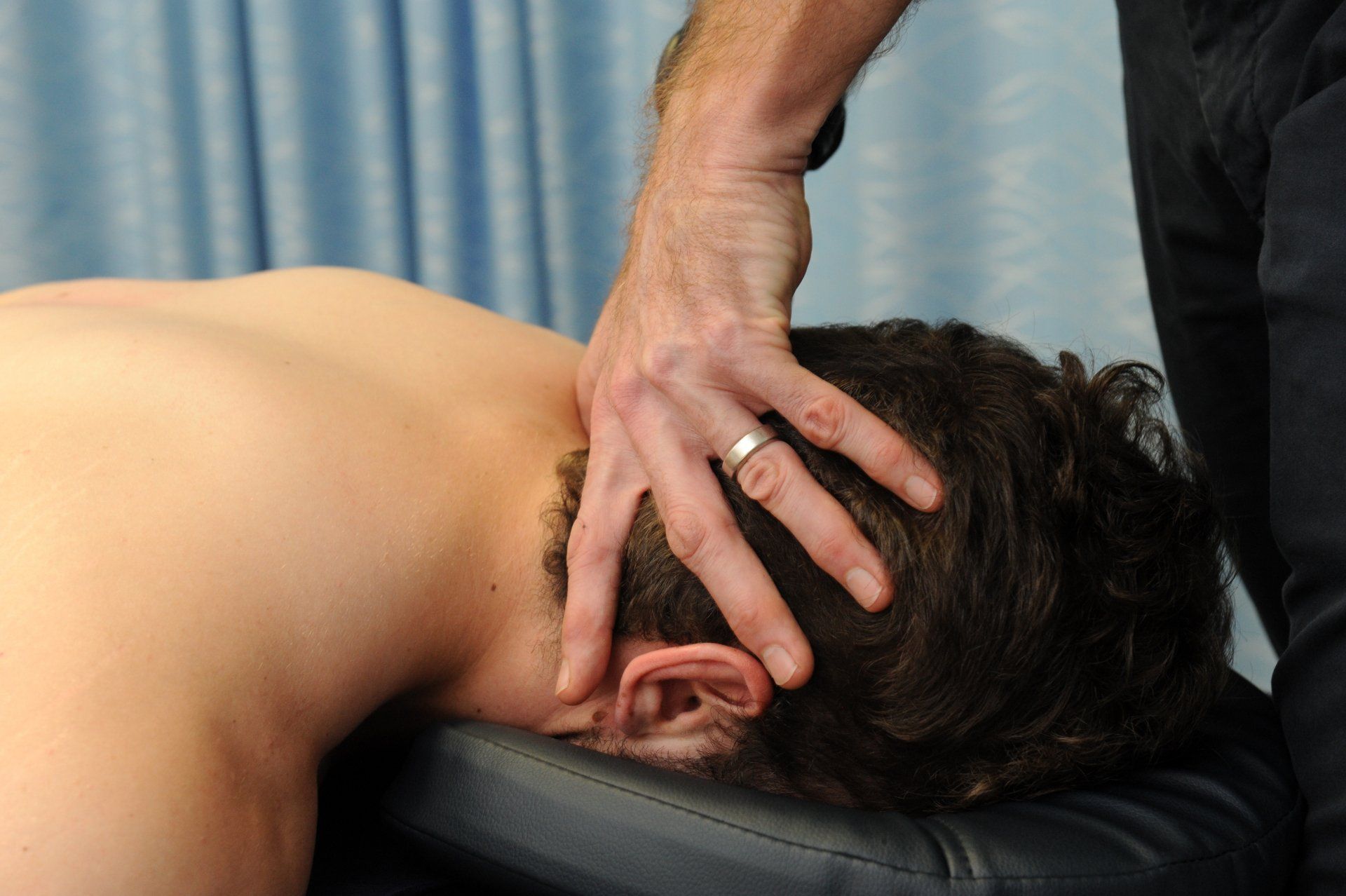
A physiotherapy-led cancer rehabilitation program typically starts with a thorough individual assessment, looking at strength, mobility, balance, posture, fatigue levels, and how treatment has affected day-to-day function. From there, a tailored plan might include manual physiotherapy to ease pain and muscular tension, scar tissue management to improve mobility and reduce discomfort around surgical sites, graduated exercise and resistance training to rebuild strength safely, fatigue management strategies, and education on pacing, home modifications, and returning to work or hobbies.


Programs are typically staged in line with where someone is in their treatment journey, moving from gentle, closely supervised work through to more general strength and conditioning as capacity improves.

PINC Cancer Rehabilitation


Structured Support for Cancer Patients in Darwin

The PINC & STEEL Program: A Purpose-Built Model

While many physiotherapists work with people affected by cancer, PINC & STEEL is one of the most established, purpose-built cancer rehabilitation programs internationally.


Founded in New Zealand in 2008 by physiotherapist Lou James, it has since trained physiotherapists and occupational therapists across Australia, New Zealand, the UK, Canada and South Africa. PINC refers to the program's pathway for women, and STEEL to the pathway for men — though both are built on the same evidence-based model, and both cover any type of cancer, not just breast or prostate cancer specifically.


What sets PINC & STEEL apart is its structured, four-phase rehabilitation pathway, designed to match the natural trajectory of cancer treatment rather than a generic, one-size-fits-all program:

  1. Pre-Op Phase — preparing the body for surgery through targeted strengthening, stamina work and education
  2. Post-Op Phase — restoring movement and flexibility to affected joints and muscle groups in the weeks after surgery
  3. Adjuvant Treatment Phase — supporting energy levels, strength and function throughout chemotherapy, radiation or other ongoing treatment
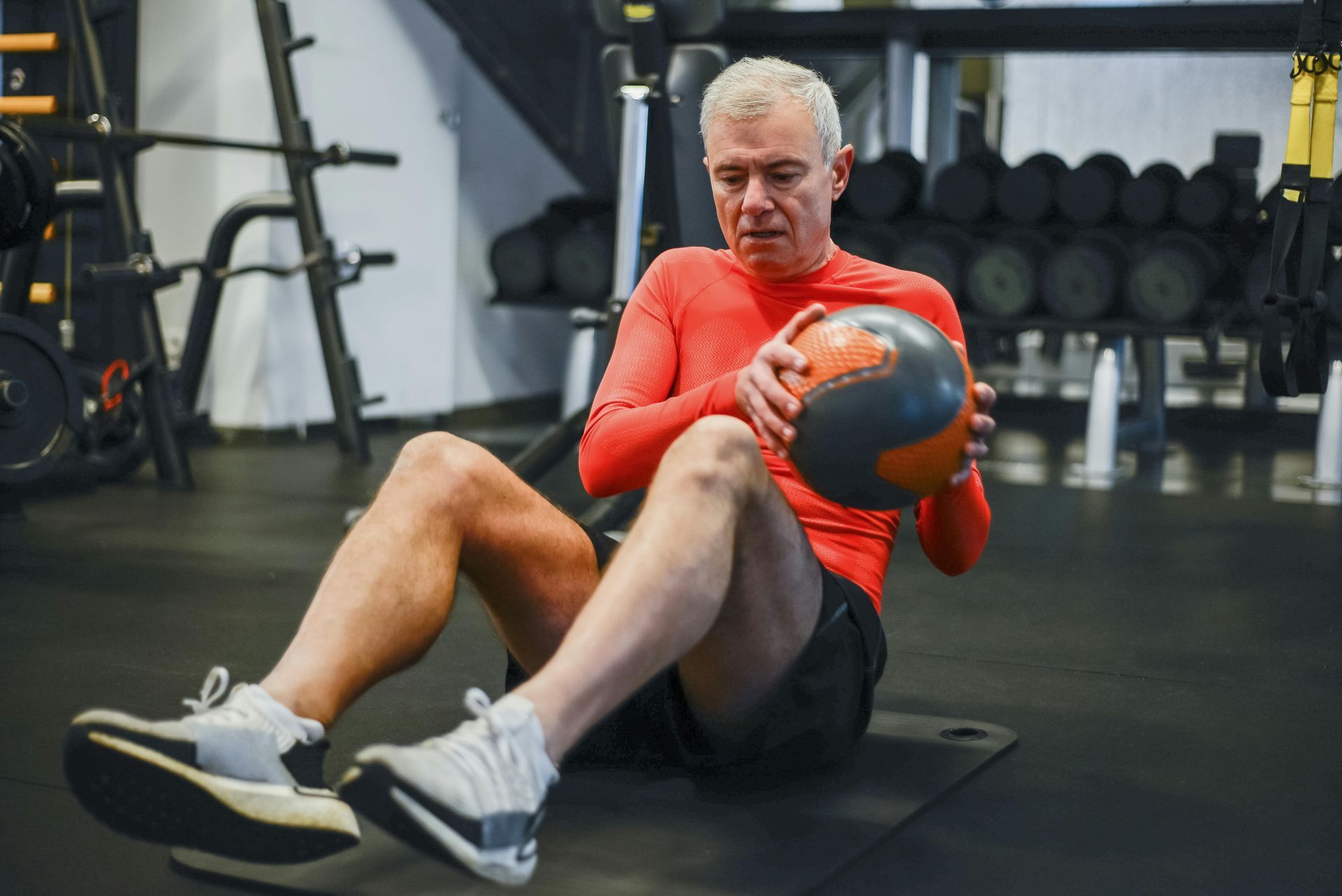
  4. Fitness Phase — rebuilding overall cardiovascular fitness, strength and conditioning once active treatment has finished


Beyond the exercise itself, certified PINC & STEEL therapists undertake specific postgraduate training in oncology — meaning they understand the medical complexity of cancer treatment side effects, from lymphoedema risk to bone health to fatigue, rather than applying a general rehabilitation approach.


The program also includes group options, like the Next Steps class, which adds a community and peer-support element that many people find just as valuable as the physical progress itself.


The Take Home

Cancer rehabilitation still isn't something everyone is offered as a matter of course, but the evidence for it is strong, and growing. Whether it's a structured program like PINC & STEEL or general physiotherapy-led rehabilitation, moving your body safely during and after cancer treatment is one of the most effective things you can do for both physical recovery and quality of life.


To register your interest, call (08) 8945 3799 or complete the registration form on our cancer rehabilitation page.

Cancer Rehabilitation


Frequently Asked Questions

  • Do I need to wait until I've finished treatment to start rehabilitation?

    No — in fact, starting earlier is generally associated with better outcomes. Rehabilitation, including “prehabilitation” before surgery, is relevant at every stage of the cancer journey: before treatment, during active treatment, and for years into survivorship. There's no need to wait for a particular milestone before asking about it.

  • Is it safe to exercise during chemotherapy or radiation?

    For most people, yes — exercise is considered a safe and effective part of cancer care when it's appropriately tailored to your specific situation, treatment side effects, blood counts and fatigue levels. This is exactly why working with a physiotherapist experienced in oncology matters: your program is adjusted to how you're doing on any given day, rather than following a generic template.

  • What's the difference between PINC and STEEL?

    PINC is the program pathway for women, and STEEL is the pathway for men. Both are delivered by the same certified, oncology-trained therapists and follow the same evidence-based, four-phase model — the split is simply about tailoring the program and environment to each group, not a difference in clinical approach.

  • Will my private health insurance or Medicare cover cancer rehabilitation?

    This varies depending on where you live, your specific health cover, and how you're referred. Some cancer rehabilitation services attract private health rebates for physiotherapy, and in some regions, funding or subsidised sessions are available through cancer support organisations. It's worth checking directly with your health fund and your chosen provider about what applies in your situation.

  • I don't have breast or prostate cancer — can I still access a program like PINC & STEEL?

    Yes. Although PINC and STEEL are often associated with breast and prostate cancer because they're common diagnoses, the program itself is designed for any type of cancer, at any age. The four-phase model is built around what your body has been through — surgery, treatment type, and current function — rather than a specific diagnosis.

Ready to fight cancer with evidence?


Our PINC-accredited physiotherapist Meagan Colsey has got your back. Meagan will work with you during your cancer journey - from diagnosis to remission - to build strength, protect bone health, manage fatigue, and help you get back to the people and activities that matter most.


Call us on 08 8945 3799 or click on BOOK AN APPOINTMENT to book online.


This article is general information only and does not replace individual clinical assessment. If you're experiencing joint or muscle pain, book an appointment with one of our physiotherapists for a tailored assessment and treatment plan.


Sources

Peer-Reviewed Literature

  1. Cormie, P., Atkinson, M., Bucci, L., Cust, A., Eakin, E., Hayes, S., McCarthy, A., Murnane, A., Patchell, S., & Adams, D. (2018). Clinical Oncology Society of Australia position statement on exercise in cancer care. Medical Journal of Australia, 209(4), 184–187.
  2. Cormie, P., Zopf, E. M., Zhang, X., & Schmitz, K. H. (2017). The impact of exercise on cancer mortality, recurrence, and treatment-related adverse effects. Epidemiologic Reviews, 39(1), 71–92.
  3. Mishra, S. I., Scherer, R. W., Snyder, C., Geigle, P. M., Berlanstein, D. R., & Topaloglu, O. (2012). Exercise interventions on health-related quality of life for people with cancer during active treatment. Cochrane Database of Systematic Reviews, 8, CD008465.
  4. Mishra, S. I., Scherer, R. W., Geigle, P. M., Berlanstein, D. R., Topaloglu, O., Gotay, C. C., & Snyder, C. (2012). Exercise interventions on health-related quality of life for cancer survivors. Cochrane Database of Systematic Reviews, 8, CD007566.
  5. Peddle-McIntyre, C. J., et al. (2025). Translating advocacy into action: Exploring oncology healthcare professionals' awareness and use of the Clinical Oncology Society of Australia position statement on exercise in cancer care. Supportive Care in Cancer.


Program / Organisational Sources

  1. PINC & STEEL Cancer Rehabilitation. (n.d.). About us. https://www.pincandsteeleducation.com/about-us/
  2. PINC & STEEL Cancer Rehabilitation. (n.d.). PINC. https://sa.pincandsteel.com/programs/pinc/
  3. PINC & STEEL Cancer Rehabilitation. (n.d.). Individual cancer rehab programs. https://www.pincandsteel.com/programs/individual-programs
  4. PINC & STEEL Cancer Rehabilitation. (n.d.). Next Steps program. https://www.pincandsteel.com/programs/next-steps-program
  5. PINC & STEEL Cancer Rehabilitation. (n.d.). Certification. https://www.pincandsteeleducation.com/certification/
Cancer Rehabilitation

Darwin and NT Resources for Cancer Patients and their Families

Navigating a cancer diagnosis in the Northern Territory comes with its own particular challenges — including distance, limited specialist services in some areas, and a healthcare landscape that can feel complex to navigate. Here are the key local and national resources available to people in Darwin and across the Top End.

Medical and Treatment Services

  • Alan Walker Cancer Care Centre (AWCCC)

    The Top End's main public cancer treatment centre, providing radiotherapy, chemotherapy and other specialist oncology and haematology services. It also runs an oncology and haematology clinical trials unit, giving NT patients access to trials they'd otherwise need to travel interstate for.


    Royal Darwin Hospital

    Rocklands Drive, Tiwi NT 0810

    Phone: (08) 8944 8220 

    NT Government AWCCC information

  • Cancer Council NT

    Cancer Council NT is a non-government, community-based organisation providing information, practical support, and connection for people affected by cancer across the Territory. Services include cancer support nurses who provide one-on-one support and counselling, wig and turban hire, breast prostheses, Look Good Feel Better workshop referrals, support groups in Darwin and regionally, and connection to peer support programs. 


    Their 13 11 20 helpline connects you with trained nurses and health counsellors who are also familiar with NT-specific services and resources. 

    Phone: (08) 8944 1800 

    Helpline: 13 11 20 

    cancer.org.au/nt

  • McGrath Cancer Care Nurses

    The McGrath Foundation places specialist cancer care nurses across Australia to provide clinical, psychosocial, and emotional support to people with any type of cancer — completely free of charge and without a referral. McGrath Cancer Care Nurses help people navigate their diagnosis, understand their treatment, and connect with appropriate services. You can self-refer, or ask your oncologist or GP whether a McGrath nurse is available in your area. 


    Phone: (02) 8962 6100


    Website: 

    mcgrathfoundation.com.au/get-support/find-a-nurse

  • NT Government Cancer Services Directory

    The NT Government maintains a comprehensive online directory of cancer-related services across the Territory, including treatment, supportive care, palliative care, and patient assistance programs such as the Patient Assistance Travel Scheme (PATS), which provides financial support for eligible patients who need to travel for specialist treatment. 


    Website:

    nt.gov.au/wellbeing/cancer-services

  • Territory Palliative Care — Top End

    A specialist palliative care service providing care at home, in hospital, or through a 12-bed standalone hospice at the Royal Darwin Hospital campus, for people with a life-limiting illness. The team includes medical, nursing, occupational therapy, social work, physiotherapy and spiritual care practitioners.


    Royal Darwin Hospital

    105 Rocklands Drive 

    Tiwi NT 0810 | Phone: (08) 8922 6761

Travel, Accommodation and Transport Support

  • Patient Assistance Travel Scheme (PATS)

    A Northern Territory Government subsidy scheme that helps cover travel and accommodation costs for NT residents who need to travel long distances for specialist medical care, including cancer treatment. Eligibility is based on distance from home to treatment, and applications are made through your specialist or treating team. 


    Details and contact information are available on the NT Government PATS page.

  • Barbara James House and Dr Helen Phillips Cottages (YWCA Medical Accommodation Program)

    Purpose-built, low-cost accommodation for people travelling to Darwin for cancer and other medical treatment, located close to Royal Darwin Hospital. Includes meals, laundry and common facilities, along with a shuttle bus to appointments at Royal Darwin Hospital, the Alan Walker Cancer Care Centre and Palmerston Regional Hospital. 


    Bookings are made through the PATS program.


  • Cancer Council NT — Transport to Treatment

    A free, volunteer-driven transport service that takes cancer patients from home to appointments at the Alan Walker Cancer Care Centre, Royal Darwin and Palmerston hospitals, and specialist appointments across Darwin and the rural area. A referral from your treatment team is required.


    Phone: 13 11 20

  • Leukaemia Foundation — Northern Territory

    Provides free accommodation and a volunteer-run patient transport service (9am–5pm, Monday to Friday) for people affected by blood cancers such as leukaemia, lymphoma and myeloma, and their families.


    Unit 10, 396 Stuart Highway

    Winnellie NT 0820

    Phone: (08) 8947 0631

    Transport bookings: 1800 555 021


Emotional, Practical and Peer Support

  • Cancer Council NT

    Offers one-on-one support and counselling from trained cancer nurses, community support groups across Darwin, Katherine and Alice Springs, a wig and turban service, breast prosthesis and bra fittings, and general information about services available across the Territory.


    Casi House

    Unit 2/25 Vanderlin Drive

    Wanguri NT 0810


    Phone: 13 11 20 or (08) 8944 1800

    Email: admin@cancernt.org.au

  • McGrath Cancer Care Nurses — Darwin

    Free, specialist cancer nursing support based at Royal Darwin Hospital and the Alan Walker Cancer Care Centre, helping patients and families navigate diagnosis, treatment and the broader health system. No referral is needed. Darwin currently has dedicated McGrath nurses supporting people with breast cancer and gynaecological cancers, as part of a growing national team supporting all cancer types.

  • Leukaemia Foundation — Counselling and Education

    Beyond transport and accommodation, the Leukaemia Foundation's NT office also provides emotional support, education and advocacy for people affected by blood cancers, with video-conferencing options available for people unable to attend in person.


    Phone: (08) 8947 0631


Support for Children, Young People and Families

  • CanTeen — Northern Territory

    Free support for 12–25 year olds who are living with cancer themselves, or who have a parent, sibling or significant family member with cancer (including bereavement support). Offers individual counselling, peer connection events, and the 24/7 online platform Canteen Connect.


    13/82 Woods Street

    Darwin City NT 0800

    Phone: (08) 8985 2013


  • Camp Quality — Northern Territory

    Free, specialist cancer nursing support based at Royal Darwin Hospital and the Alan Walker Cancer Care Centre, helping patients and families navigate diagnosis, treatment and the broader health system. No referral is needed. Darwin currently has dedicated McGrath nurses supporting people with breast cancer and gynaecological cancers, as part of a growing national team supporting all cancer types.


    13/82 Woods Street

    Darwin City NT 0800

    Phone: (08) 8985 2013


  • SA/NT Youth Cancer Service (Canteen)

    A specialised, age-appropriate medical and psychosocial service for 15–25 year olds with a cancer diagnosis, spanning South Australia and the Northern Territory. Referrals can come from a GP, treatment team, or be requested directly by the young person or their family.

General Helplines

  • Cancer Council

    For information, support and referral to services anywhere in Australia, including the NT


    Call: 131120


  • Lifeline

    24/7 crisis support and suicide prevention


    Call: 131114

  • Beyond Blue

    Support for anxiety, depression and mental health.


    Call: 1300 22 4636

  • 13YARN

    A national, 24/7 crisis support line for Aboriginal and Torres Strait Islander people, staffed by Aboriginal and Torres Strait Islander Crisis Supporters


    Call: 13YARN(13 92 76)

More articles

Exos splint for wrist fracture
By Nick Jones July 29, 2026
Cast or brace? Learn the difference, how Delta-Dry waterproof casting works, and why Exos braces are a smarter option for wrist injuries.
Female with neck pain
By Nick Jones July 22, 2026
Whiplash isn't always “just a strain.” Up to half of people still have symptoms a year on. Here's how to recover well from day one.
Woman typing on laptop
By Nick Jones July 21, 2026
Numb fingers or a tingly hand at night? It could be Carpal Tunnel Syndrome. Learn the signs, causes and treatments that actually work.
Kettle bell squats at home
By Nick Jones July 16, 2026
ACL prevention programs can cut injury risk by up to 30%. Discover the modifiable risk factors and the programs proven to work. Part 3.
Hinged knee brace for ACL injury management
By Nick Jones July 16, 2026
Not every ACL tear needs surgery. Learn how ACL injuries are graded, assessed and treated, and what rehab really involves. Part 2 of our series.
Female athlete holding knee after sustaining an injury
By Nick Jones July 16, 2026
70% of ACL injuries happen with zero contact. Discover what's really going on inside the knee, and who's most at risk. Part 1 of our ACL series.
Show More