The Shoulder - Bankart Lesion

A Bankart lesion is associated with shoulder dislocation, and impacts shoulder joint stability.
A Bankart lesion is a common shoulder injury that occurs when the shoulder partially or fully dislocates, causing damage to the structures that keep the joint stable. It involves a tear of the labrum, the cartilage rim that deepens the shoulder socket, usually at the front-bottom part of the joint. This injury often leads to recurrent instability, pain, and a tendency for the shoulder to “slip out” again. Physiotherapy plays a key role in restoring strength, stability, and confidence in the shoulder, particularly after a dislocation or recurrent instability.
Anatomy 101.
The shoulder joint is a ball-and-socket joint made up of the humeral head (ball) and the glenoid (socket). Unlike the hip, the socket is shallow, which allows for a large range of motion but makes the shoulder inherently less stable. The labrum is a ring of fibrocartilage that surrounds the edge of the glenoid. Its role is to deepen the socket and provide attachment for key ligaments that stabilise the joint. At the front-bottom (anteroinferior) part of the labrum sits the area most commonly injured in a Bankart lesion.
A Bankart lesion occurs when the shoulder dislocates forward (anterior dislocation), tearing the labrum away from the bone. In some cases, a small piece of bone is also pulled off with it, known as a bony Bankart fracture.
The surrounding capsule and ligaments, particularly the inferior glenohumeral ligament, are also commonly stretched or torn during this injury, contributing to ongoing instability. The shoulder relies heavily on muscle control (especially the rotator cuff and scapular muscles) for stability, which is why rehabilitation is essential after injury.
Who get’s it?
Studies from the UK and the US have shown that more than 70% of shoulder dislocations occur in men, with a peak incidence occurring between the ages of 16 and 20 years. As a result, Bankart lesions are most common in younger, active individuals, particularly those involved in sport or high-risk activities.
Approximately 75% of first-time shoulder dislocations are sustained during some form of sporting activity.
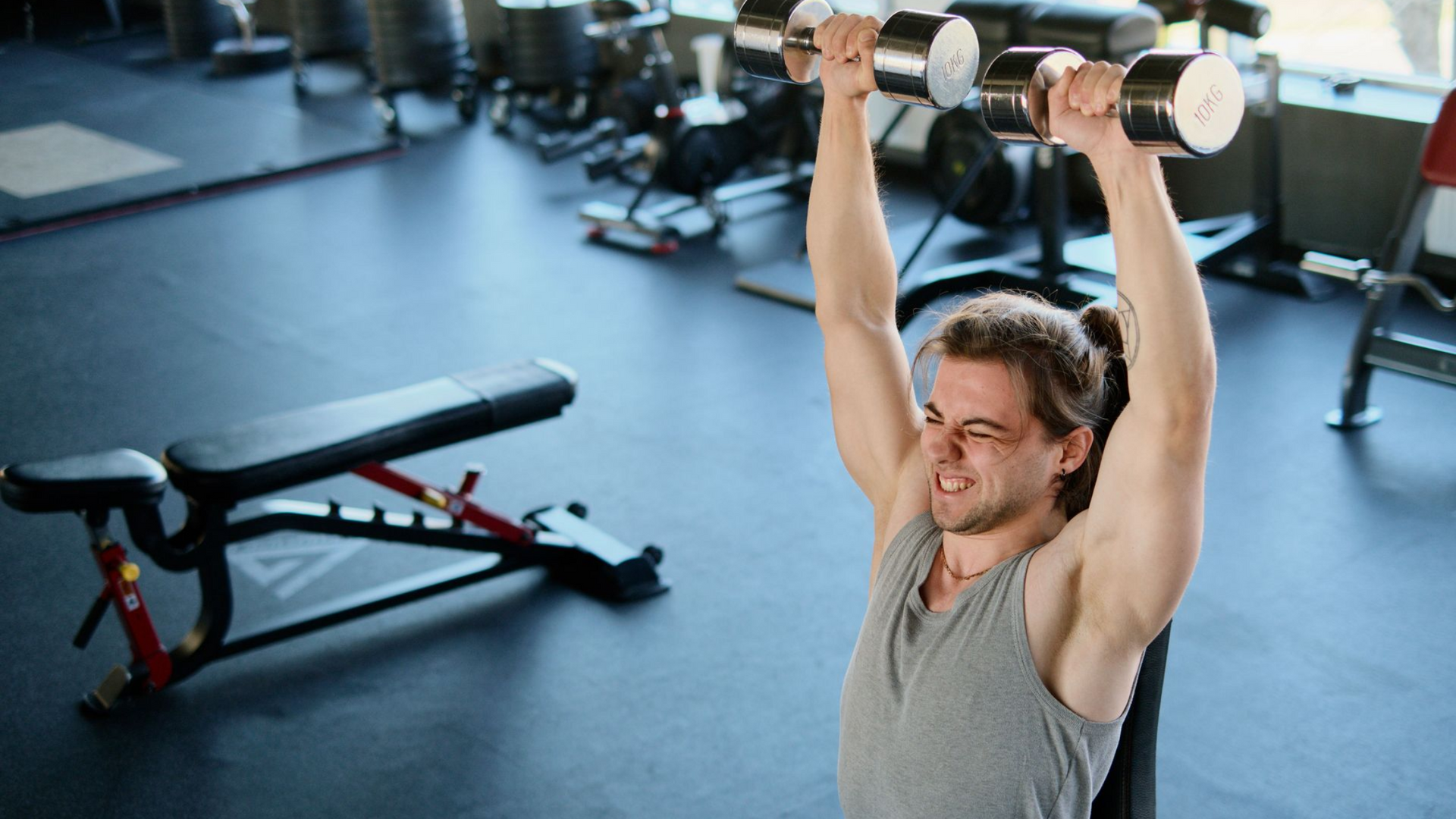
Bankart lesions are more common in sporting populations, particularly basketball, football (American and Australian Rules), rugby, cricket, baseball, softball and weightlifting. Later in life, deconditioning and falls contribute to the incidence of shoulder dislocation and Bankart lesions.
Risk factors include a history of shoulder dislocation (strongest risk factor), ligament laxity or hypermobility, participation in high-impact sports, and poor shoulder control or fatigue during activity.
The risk of recurrent dislocation is more common in younger patients if the injury is not properly rehabilitated.
Diagnosing a Bankart Lesion
Diagnosis begins with a detailed history, often involving a traumatic event where the shoulder “popped out” of place and may have required relocation. Common symptoms include:
- Pain in the front of the shoulder
- Feeling of instability or apprehension, especially in certain positions (arm abducted and externally rotated)
- Recurrent “slipping” or dislocation episodes
- Weakness or reduced confidence using the arm
- Catching or deep joint discomfort
Clinical assessment may include assessment of shoulder range of motion, strength testing, and a battery of special tests to assess different structure in the shoulder. Differential diagnoses includes:
- Rotator cuff tear or tendinopathy
- SLAP lesion
- AC joint injury
- Biceps tendinopathy
- Cervical spine referred pain
Physiotherapists, sports physicians, and orthopaedic specialists may all be involved in confirming the diagnosis and determining severity.
Do I need a scan?
First time dislocations, particularly traumatic dislocations in persons aged over 40, will be routinely investigated using x-ray prior to relocation to screen for a indicatators of a Bankart lesion and associated fractures which might impact treatment and management. Where labral injury is suspected, MRI is the gold standard for further investigations. In younger populations and those returning to contact or high-risk sport, MRI is more routinely utilised to assess injury to ligaments, capsular tissue and the labrum. You can learn more about labral injuries here.
Treatment
Treatment depends on severity, age, activity level, and whether the shoulder is stable after injury.
Physiotherapy Management
Physiotherapy is essential in both non-operative and post-operative care. The main goals are to restore stability and reduce the risk of recurrence.
Early phase (protection and control)
- Pain management and activity modification
- Gentle range of motion within safe limits
- Education on avoiding high-risk positions
Strength and stability phase
- Rotator cuff strengthening
- Scapular control exercises
- Proprioceptive and neuromuscular training
- Closed-chain stability exercises
Functional and return-to-sport phase
- Sport-specific drills
- Gradual exposure to overhead and contact positions
- Reactive and dynamic stability training
Other Treatment Options
- Surgery: May be recommended for young, active individuals with recurrent dislocations or significant instability. Arthroscopic Bankart repair is commonly performed.
- Medication: Anti-inflammatories may assist short-term pain relief but do not address instability.
- Bracing: Sometimes used after acute dislocation, but not a long-term solution.
Physiotherapy is critical both before surgery (prehabilitation) and after surgical repair to optimise outcomes and reduce recurrence risk.
How Long’s It Going to Take?
Recovery varies depending on severity and whether surgery is required. Non-operative rehabilitation will often see improvement within 6–12 weeks, with ongoing strengthening required for 6-12 months. Recurrent instability may prolong recovery or require surgical intervention.
Post-surgical repair can take longer, depending on the post-operative goals. Those returning to high level competitive sport typically take 4–6 months, with longer periods for contact or overhead sports. Factors influencing recovery include:
- Adherence to rehabilitation
- Age and activity level
- Degree of instability or bone involvement
- Previous dislocation history
The Take Home
A Bankart lesion is a key injury associated with shoulder dislocation that affects the stability of the joint. It involves damage to the labrum and often surrounding ligaments, leading to feelings of instability or repeated dislocations if not properly managed.
The good news is that physiotherapy plays a major role in recovery by restoring strength, control, and confidence in the shoulder. In more severe or recurrent cases, surgical repair combined with structured rehabilitation can produce excellent outcomes.
If you have experienced a shoulder dislocation or ongoing instability, early assessment is important to guide the right treatment plan.
Got shoulder pain and want to get it sorted? Give us a call now.
At Movement for Life Physiotherapy, we can assess and diagnose the cause of your shoulder pain and let you know whether you have multi-directional instability, a labral injury, a rotator cuff tear, or if there is something else going on. With a clear diagnosis and tailored management plan, we'll help get you back to the things you love sooner.
Call us now on 08 8945 3799 or click on BOOK AN APPOINTMENT to book online.
Sources
- Braun, C. and McRobert, C.J. (2019). Conservative management following closed reduction of traumatic anterior dislocation of the shoulder. Cochrane Database of Systematic Reviews, (5).
- Chiddarwar, V., de Zoete, R.M., Dickson, C. and Lathlean, T. (2023). Effectiveness of combined surgical and exercise-based interventions following primary traumatic anterior shoulder dislocation: a systematic review and meta-analysis. British Journal of Sports Medicine, 57(23), pp.1498-1508.
- Griffin, J., Jaggi, A., Daniell, H. and Chester, R. (2023). A systematic review to compare physiotherapy treatment programmes for atraumatic shoulder instability. Shoulder & Elbow, 15(4), pp.448-460.
- Hasebroock, A.W., Brinkman, J., Foster, L. and Bowens, J.P. (2019). Management of primary anterior shoulder dislocations: a narrative review. Sports medicine-open, 5, pp.1-8.
- Kavaja, L., Lähdeoja, T., Malmivaara, A. and Paavola, M. (2018). Treatment after traumatic shoulder dislocation: a systematic review with a network meta-analysis. British journal of sports medicine, 52(23), pp.1498-1506.
- Olds, M., and Sole, G. (2024). Acute rehabilitation after traumatic shoulder dislocation. British Medical Journal, 384.
- Shah, R., Chhaniyara, P., Wallace, W.A. and Hodgson, L., 2017. Pitch-side management of acute shoulder dislocations: a conceptual review. BMJ Open Sport & Exercise Medicine, 2(1), p.e000116.
- Twomey-Kozak, J., Whitlock, K. G., O’Donnell, J. A., et al. (2021). Shoulder dislocations among high school–aged and college-aged athletes in the United States: an epidemiologic analysis. JSES international, 5(6), 967-971.
- Verweij, L. P., Baden, D. N., van der Zande, J. M., et al. (2020). Assessment and management of shoulder dislocation. British Medical Journal, 371.
More articles