
Cancer Physiotherapy in Darwin
Rebuild your strength, manage treatment-related changes and stay active throughout your cancer journey.
Cancer and its treatment can affect your strength, fitness, mobility and energy — sometimes long after treatment ends. Physiotherapy and exercise can help you rebuild capacity, manage treatment-related changes and stay active throughout your cancer journey.
Understanding Cancer & Cancer Treatment
Cancer and its treatment can affect your strength, fitness, mobility and physical function in different ways.
Cancer treatment can place additional physical demands on your body, while periods of reduced activity can contribute to loss of strength and fitness. The effects can vary depending on your cancer, treatment, stage of recovery and overall health.
Cancer and its treatment may contribute to:
- Fatigue and reduced energy, making everyday activities and exercise more difficult.
- Reduced strength and fitness, particularly during periods of treatment or reduced activity.
- Changes in mobility and balance, affecting confidence and independence.
- Loss of muscle and physical capacity, sometimes referred to as deconditioning.
- Changes in bone and muscle health, depending on your cancer, treatment and activity levels.
- Lymphoedema or swelling, which may require specific assessment and management.
- Difficulty returning to exercise, work, sport or everyday activities after treatment.
- Reduced confidence with movement, particularly after surgery or prolonged periods of treatment.
Your physiotherapist can assess your current physical capacity, treatment history, symptoms and goals to identify appropriate ways to maintain or rebuild your function.
How Physiotherapy Can Help With Cancer
A personalised approach can help you maintain physical capacity, manage treatment-related changes and return to the activities that matter to you.
Physiotherapy combines assessment, education and appropriately prescribed exercise to help you stay active during treatment and rebuild your physical capacity afterwards. Your program can be adapted as your symptoms, treatment and goals change.

Assessment & Education
Understand how cancer and its treatment have affected your strength, fitness, mobility and physical function.

Exercise Rehabilitation
Build or maintain strength, aerobic fitness, mobility and physical capacity through an individually tailored exercise program.

Fatigue & Deconditioning
Use appropriately prescribed activity and exercise to help manage fatigue and reduce the physical effects of reduced activity.

Your Cancer Rehabilitation
A personalised approach that adapts as your treatment, recovery and goals change.
Cancer rehabilitation isn't always a straight path. Your physiotherapist can adjust your program according to your treatment, symptoms, physical capacity and goals.
ASSESS
Understand your current physical capacity, symptoms, treatment history and goals.
MANAGE
Address fatigue, reduced activity, pain, mobility and other treatment-related changes.
REBUILD
Progress strength, fitness, balance and physical function as your capacity improves.
RETURN
Gradually return to exercise, work, sport and the everyday activities that matter to you.
Treatment Options That May Support Your Recovery
Different treatment and rehabilitation options can be combined to support your strength, fitness, mobility and quality of life.
Your rehabilitation can be adapted to your cancer diagnosis, treatment, symptoms, physical capacity and goals. Your physiotherapist can help determine which options are appropriate at different stages of your cancer journey.
Cancer Exercise & Rehabilitation
Individualised physiotherapy and exercise to maintain or rebuild strength, fitness, mobility and physical capacity.
Physiotherapy
Individual assessment, treatment and rehabilitation tailored to your cancer journey and physical goals.
Learn More About Cancer & Rehabilitation
Practical information about exercise, rehabilitation and managing the physical effects of cancer treatment.

PINC: Physiotherapy-Led Cancer Rehabilitation
Fewer than 13% of cancer patients get exercise guidance during treatment. Here's why physiotherapy-led rehab like PINC & STEEL matters.

Cancer Treatment and Bone Density
Breast and prostate cancer treatments can accelerate bone loss significantly. Find out what exercise can do — and why starting early matters.
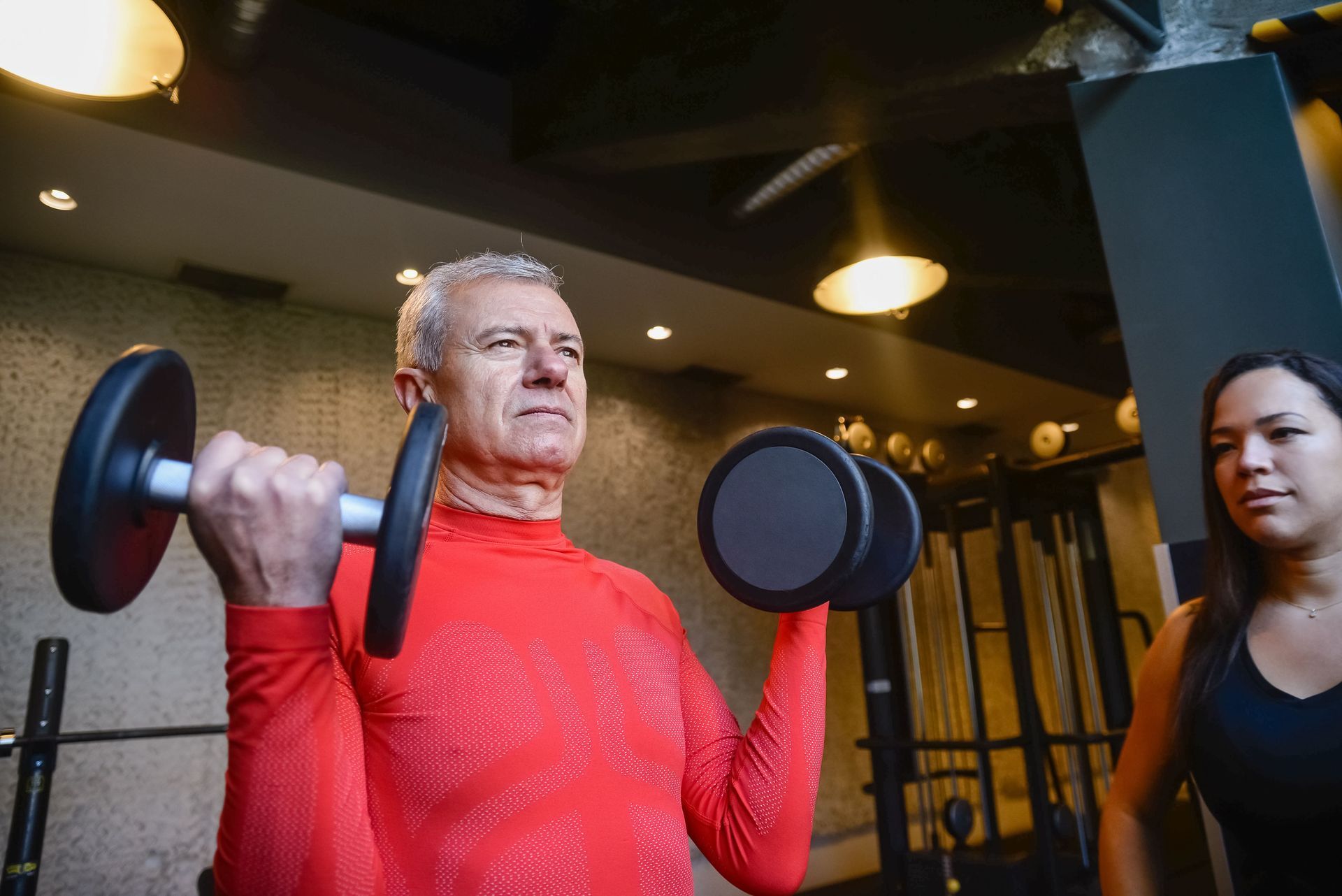
Ready to Take the Next Step?
You can keep building your strength and physical capacity while living with a chronic condition.
If a chronic health condition is affecting your strength, mobility, fitness or ability to stay active, our physiotherapy team can assess your needs and develop a practical exercise and rehabilitation plan to help you keep moving.
