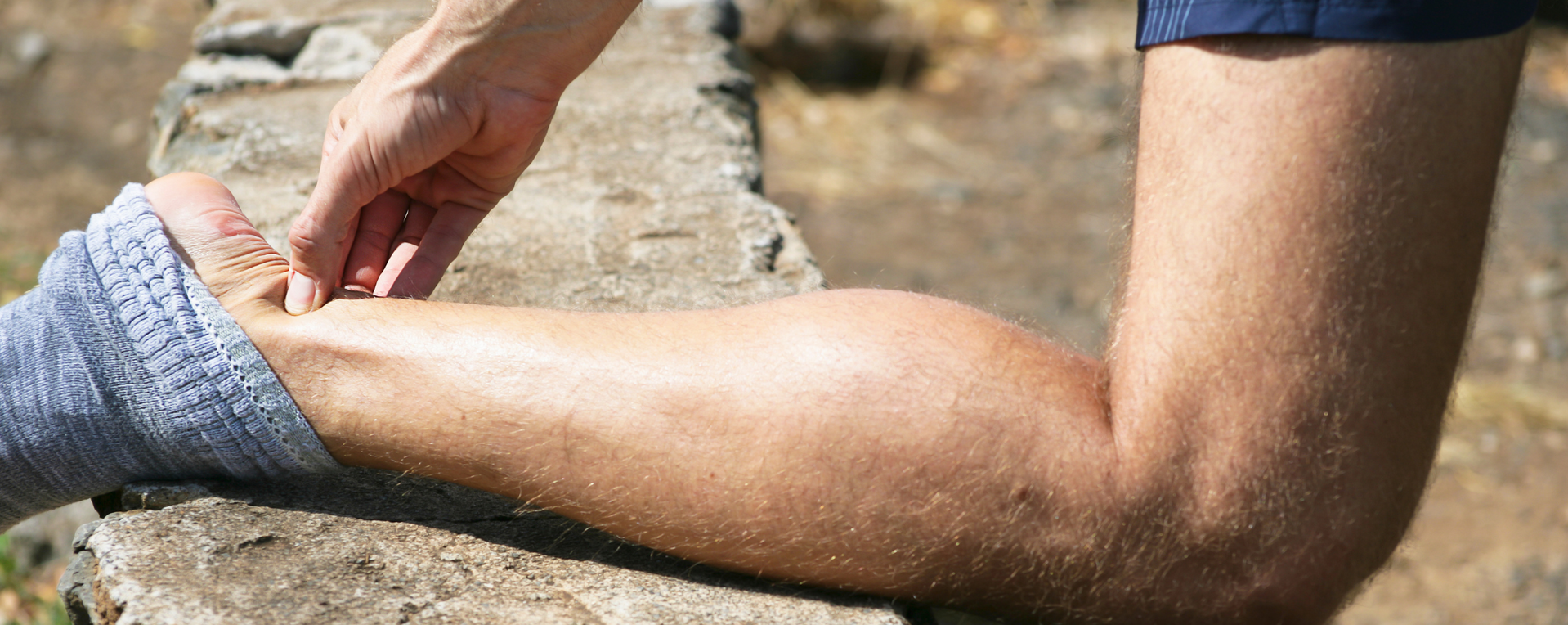
Prostate Cancer and Hormone Therapy

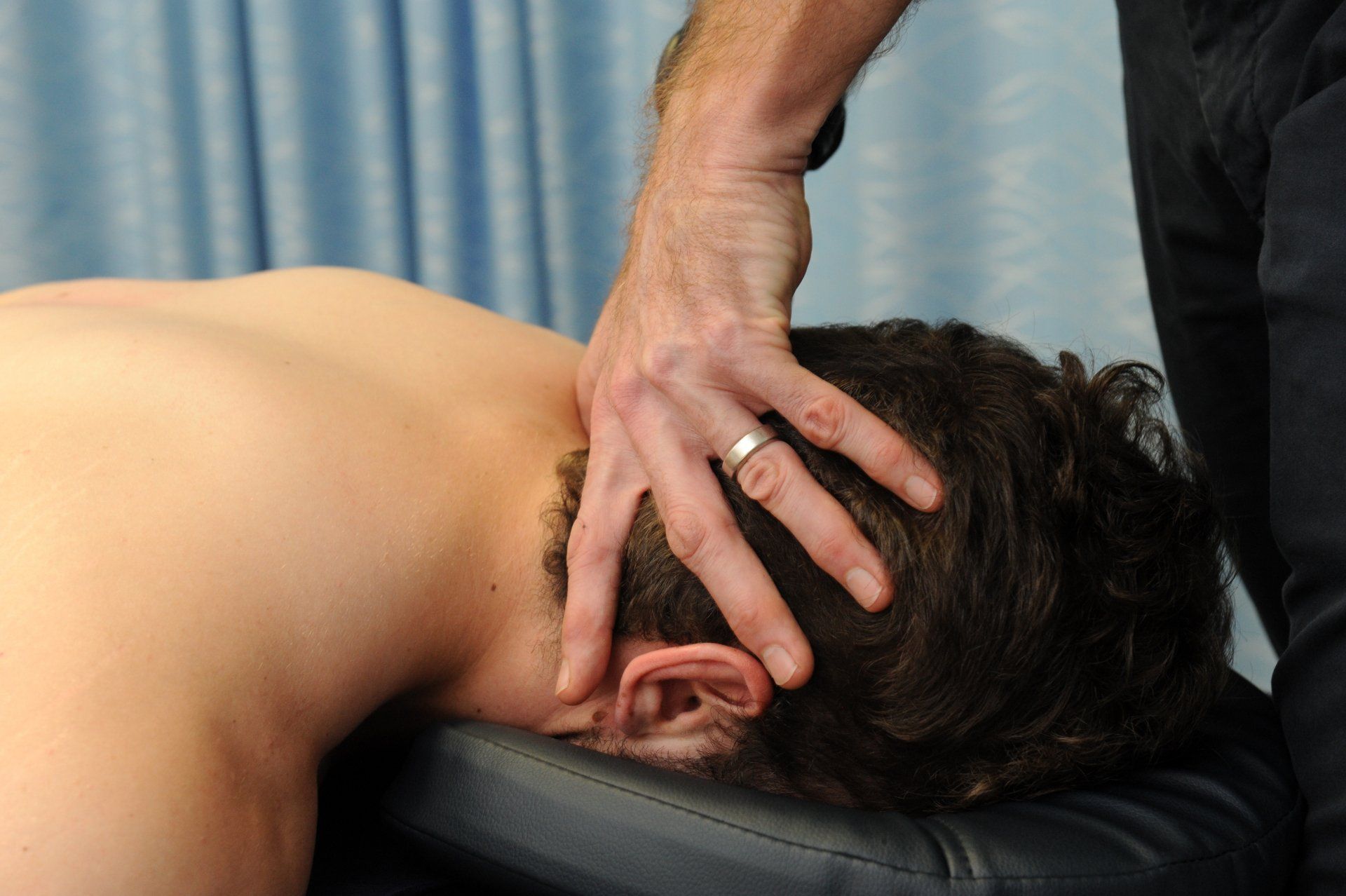

The Side Effects Nobody Prepares You For — and How Physiotherapy Helps
When you're told you have prostate cancer, the conversation that follows is almost entirely about the cancer — how to stop it, slow it, control it. What often gets far less attention is what the treatment itself does to your body.
Hormone therapy — also known as androgen deprivation therapy or ADT — is one of the most commonly prescribed treatments for prostate cancer, and it is highly effective at what it sets out to do. But it comes with a constellation of physical side effects that many men only discover after treatment has started: muscle that seems to disappear, fatigue that doesn't lift with sleep, bones that become more fragile, weight that accumulates around the abdomen despite no change in diet.
These aren't trivial inconveniences. Over time, they can meaningfully erode strength, confidence, independence, and quality of life.
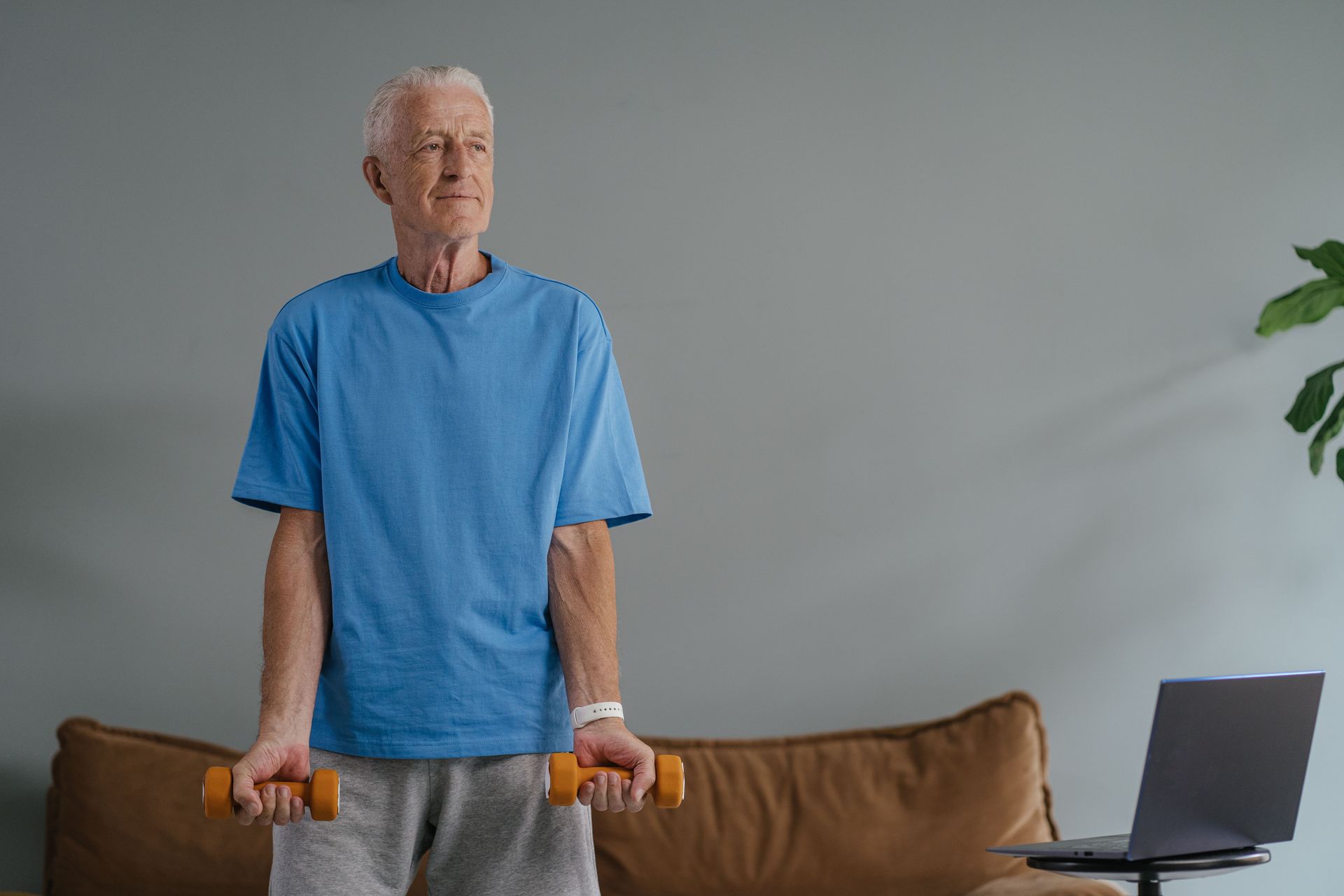
The good news — and it is genuinely good news — is that exercise is one of the most evidence-supported interventions available for managing virtually every one of these side effects. Not medication. Not rest. Exercise, prescribed the right way by a physiotherapist who understands the specific demands of your situation.
Here's what that looks like in practice, and why it matters more than you might think.
What Hormone Therapy Does to Your Body
The prostate is a small gland below the bladder that forms part of the male reproductive system. Most prostate cancers are fuelled by testosterone — they rely on this hormone to grow. Hormone therapy works by dramatically reducing testosterone levels in the body, starving the cancer of the signal it needs to proliferate.
This approach is highly effective. But testosterone doesn't just drive cancer growth — it also plays a fundamental role in maintaining muscle mass, bone density, metabolic health, energy levels, and physical performance across the whole body. When testosterone drops sharply, all of these systems are affected simultaneously.
The result is a cluster of physical changes that can develop gradually over weeks and months:
- Muscle loss — ADT accelerates sarcopenia (age-related muscle loss), reducing strength, function, and physical capacity
- Increased body fat — particularly around the abdomen, with metabolic implications including elevated cardiovascular and diabetes risk
- Bone density reduction — ADT is one of the most significant drivers of osteoporosis in men, increasing fracture risk
- Fatigue — cancer-related fatigue is among the most frequently reported and debilitating side effects of ADT
- Reduced cardiovascular fitness — endurance and exercise tolerance decline without specific intervention
- Balance changes — weakened muscles and reduced physical confidence increase falls risk
- Hot flushes and joint stiffness — similar in mechanism to menopause-related symptoms in women
- Mood and cognitive changes — reduced testosterone affects emotional regulation and mental sharpness
Not every man will experience all of these, and severity varies. But for many men on ADT — particularly those on long-term treatment — the cumulative physical impact is substantial and underappreciated.
Who Is Most at Risk of Significant Side Effects?
Some men are more susceptible to the physical effects of ADT than others. Your risk of significant impact is higher if you:
- Are older or physically inactive before starting treatment
- Have existing low bone density or a previous fracture history
- Have diabetes, cardiovascular disease, or are overweight
- Have been sedentary throughout life or have low baseline muscle mass
- Are on long-term ADT rather than a shorter course
This is why early assessment matters. Understanding your baseline — strength, bone health, cardiovascular fitness, balance — before or at the start of treatment means the right supports can be put in place before losses accumulate, rather than trying to reverse them later.
Recognising the Signs — and When to Seek Help
Many of the physical changes associated with ADT develop gradually and can be easy to rationalise as "just getting older" or "tiredness from treatment." But they deserve specific attention and assessment. Signs that your physical health may be meaningfully affected by hormone therapy include:
- Noticeable reduction in grip strength or ability to carry things
- Difficulty rising from a chair without using your arms
- Fatigue that doesn't improve with rest or sleep
- Weight gain particularly around the midsection
- Persistent joint stiffness or aching
- Near-falls, stumbles, or reduced confidence on uneven ground
- Gradual loss of height or changes in posture (a rounding of the upper back)
A DEXA scan is the standard assessment for bone density and is commonly recommended for men starting long-term ADT. If your oncologist or GP hasn't raised this, it's worth asking — early identification of bone loss allows both medical and exercise interventions to be put in place promptly.
A physiotherapy assessment will evaluate your strength, mobility, balance, endurance, and overall physical function — identifying where ADT is having the most impact and building a program around exactly those areas.
The Treatment That Works: Exercise Is Not Optional
Here is the evidence, stated plainly.
Exercise is the most powerful non-pharmacological tool available for managing the side effects
of androgen deprivation therapy. The research on this is comprehensive and consistent.
A 2024 systematic review and meta-analysis found that supervised combined aerobic and resistance training significantly improved fatigue in men with prostate cancer undergoing ADT — one of the largest and most troubling side effects of the treatment. A comprehensive Bayesian network meta-analysis of 54 randomised controlled trials involving 3,522 participants, published in 2026, confirmed that different exercise modalities each offer meaningful benefits to men on ADT, with combined programs delivering the broadest effects across quality of life, body composition, and physical function.
The mechanism is consistent with everything we know about how muscles and bones respond to loading: when muscles contract against resistance, they stimulate bone-forming cells, maintain muscle fibres, and drive metabolic improvements that counteract many of ADT's negative effects. Without this stimulus, the losses that ADT drives go largely unchecked.
Rest — while sometimes necessary during acute phases — is not a strategy for managing these side effects. Movement is.
What a Physiotherapy Program for ADT Side Effects Looks Like
Exercise for men on hormone therapy is not generic. It needs to account for your specific treatment history, current capacity, bone health status, cardiovascular fitness, and goals. This is what a thorough physiotherapy assessment establishes. A well-designed program will typically include:
Progressive Resistance Training
The cornerstone of ADT side effect management. Targeting major muscle groups two to three times per week — using free weights, machines, resistance bands, or bodyweight — resistance training counteracts muscle loss, supports bone density, improves functional strength, and helps manage abdominal fat accumulation. Intensity is progressively increased as capacity improves. This is not about maximum weight — it is about consistent, sufficient mechanical stimulus applied safely and systematically.
Aerobic and Cardiovascular Conditioning
Walking, cycling, swimming, or interval-based training improve cardiovascular fitness, reduce fatigue, support metabolic health, and contribute to overall wellbeing. Combined aerobic and resistance programs consistently outperform either modality alone in prostate cancer research. Even short bouts of moderate aerobic activity have meaningful effects on energy levels and mood for men on ADT.
Bone Health and Weight-Bearing Exercise
Impact and weight-bearing exercises — stair climbing, brisk walking, functional step work — provide the mechanical loading that signals bone-forming cells to maintain bone tissue. This is particularly important in men on long-term ADT, where bone density loss can be rapid and clinically significant. Our blog on cancer treatment and bone density covers this relationship in more detail, and the principles apply directly to men undergoing ADT.
Balance and Falls Prevention
As muscle strength and bone density decline, the consequences of a fall become increasingly serious — particularly for men with osteoporosis. Balance training is a non-negotiable component of any ADT exercise program. It's the intervention that prevents the fall that causes the fracture. Our blog on balance and mobility for Parkinson's disease covers many of the same balance principles that apply here.
Fatigue Management Cancer-related fatigue is one of the most counterintuitive side effects to manage, because the instinct is to rest — and rest makes it worse. Appropriately dosed exercise is the most evidence-supported treatment for cancer-related fatigue, reducing both perceived fatigue and the functional limitations it creates. The starting point needs to match what is genuinely achievable for you right now, progressed gradually as capacity improves.
Rebuilding Muscle and Managing Body Composition
Muscle loss driven by ADT compounds over time if not actively addressed. The principles covered in our blog on sarcopenia are highly relevant here — the hormonal driver differs (testosterone rather than oestrogen) but the approach to progressive resistance training and the importance of protein intake are essentially the same.
Hydrotherapy as a Supportive Option
For men who are significantly deconditioned, experiencing joint pain, or finding land-based exercise difficult early in treatment, hydrotherapy at our Coconut Grove clinic offers a warm, supportive entry point into rehabilitation. Movement in warm water reduces joint load, improves muscle relaxation, and allows conditioning work that may not yet be achievable on land.
Education and Self-Management
Understanding how to exercise safely during ADT — how to manage fatigue, when to modify, how to pace activity across the week — is a core part of what physiotherapy provides. Men who understand why they are doing a given exercise, and how to progress it safely, are significantly more likely to sustain the habits that produce long-term outcomes.
What About Medications and Supplements?
Exercise is the primary physiotherapy tool, but it works best as part of a coordinated broader plan:
- Calcium and Vitamin D — adequate calcium intake and vitamin D sufficiency are foundational for bone health during ADT. Many men on hormone therapy are deficient in vitamin D, and supplementation is commonly recommended. In the Northern Territory, despite abundant sunshine, indoor rest and sun avoidance during treatment can lead to surprisingly low levels.
- Bone-protective medications — bisphosphonates (such as zoledronic acid) and denosumab are medications that directly slow bone resorption and are frequently prescribed alongside long-term ADT to reduce fracture risk.
- Cardiovascular risk management — ADT increases the risk of cardiovascular disease, and your GP or cardiologist may recommend specific monitoring or management alongside your oncology care.
Your physiotherapist works alongside your oncologist, GP, and other allied health team members. A coordinated, multidisciplinary approach produces the best outcomes.
How Quickly Will You See Results?
Many men begin noticing improvements in energy, strength, and confidence within four to six weeks of a consistent, well-structured exercise program. More meaningful improvements in body composition and physical capacity typically emerge over three to six months of regular training.
Bone density changes take longer — typically six to twelve months — because bone remodelling is a slow biological process.
This is why starting early, before significant losses have accumulated, is considerably more effective than waiting.
The most important thing to understand is that consistency matters more than intensity. A moderate program maintained throughout the course of ADT produces far better long-term outcomes than an intensive program started only after treatment ends — because the losses that accumulate during inactivity are real, and they take time and effort to reverse.
PINC Cancer Rehabilitation
Structured Support for Men in Darwin
At Movement for Life Physiotherapy, we are proud to offer PINC Cancer Rehabilitation — an internationally recognised, evidence-based cancer rehabilitation program delivered by our PINC-accredited physiotherapist Meagan Colsey. We are the only PINC Cancer Rehabilitation provider in the Top End.
PINC combines individual physiotherapy assessment and rehabilitation with structured group exercise classes, providing both the clinical precision of a one-on-one program and the motivation and connection that comes from exercising alongside others navigating similar experiences. For men on hormone therapy, the program's emphasis on strength training, bone health, fatigue management, and functional independence maps directly onto the side effect profile of ADT.
Learn more about PINC Cancer Rehabilitation at Movement for Life or visit the PINC & STEEL Australia website to find out more about the program.
To register your interest, call (08) 8945 3799 or complete the registration form on our
cancer rehabilitation page.
Darwin and NT Resources for Men
with Prostate Cancer
Navigating a cancer diagnosis in the Northern Territory comes with its own particular challenges — including distance, limited specialist services in some areas, and a healthcare landscape that can feel complex to navigate. Here are the key local and national resources available to people in Darwin and across the Top End.
You Don't Have to Just Push Through This
Hormone therapy for prostate cancer asks a great deal of your body. The physical side effects are real, they are significant, and they deserve active management — not passive acceptance.
Exercise is medicine. And for men on ADT, it is among the most important medicines available.
Whether you are about to start treatment, are already on hormone therapy, or are managing the after-effects of a completed course, a physiotherapy assessment gives you a clear picture of where you are physically, what risks are most relevant for you, and a practical, personalised program to help you stay strong, active, and independent throughout.
Prostate Cancer and Hormone Therapy
Frequently Asked Questions
Got the balls to tackle prostate cancer?
Even if you don't, at Movement for Life Physiotherapy, our team at Coconut Grove and Rosebery — including our PINC-accredited physiotherapist Meagan Colsey — will work with you while undergoing hormone therapy to build strength, protect bone health, manage fatigue, and help you get back to the activities that matter most.
Call us on 08 8945 3799 or click on BOOK AN APPOINTMENT to book online.
This article is general information only and does not replace individual clinical assessment. If you're experiencing joint or muscle pain, book an appointment with one of our physiotherapists for a tailored assessment and treatment plan.
Sources
- Cagliari, M., Bressi, B., Bassi, M. C., Fugazzaro, S., Prati, G., Iotti, C., & Costi, S. (2022). Feasibility and safety of physical exercise to preserve bone health in men with prostate cancer receiving androgen deprivation therapy: A systematic review. Physical Therapy, 102(2), pzab288. https://doi.org/10.1093/ptj/pzab288
- Campbell, K. L., Winters-Stone, K. M., Wiskemann, J., May, A. M., Schwartz, A. L., Courneya, K. S., Zucker, D. S., Matthews, C. E., Ligibel, J. A., Gerber, L. H., Morris, G. S., Patel, A. V., Hue, T. F., Perna, F. M., & Schmitz, K. H. (2019). Exercise guidelines for cancer survivors: Consensus statement from international multidisciplinary roundtable. Medicine & Science in Sports & Exercise, 51(11), 2375–2390.
- García-Sánchez, C., Fernández-del-Olmo, M. Á., & Balius, R. (2024). Effectiveness of supervised combined aerobic and resistance exercise in fatigue of prostate cancer survivors under androgen deprivation therapy: A systematic review and meta-analysis. Journal of Aging and Physical Activity. https://doi.org/10.1016/j.jsams.2024.01.001
- Liu, X., Chen, Y., Zhu, H., & colleagues. (2026). The impact of different exercise modes on prostate cancer: A Bayesian network meta-analysis. Scientific Reports. https://doi.org/10.1038/s41598-026-41076-3
- Shao, W., Zhang, H., Qi, H., & colleagues. (2022). The effects of exercise on body composition of prostate cancer patients receiving androgen deprivation therapy: An update systematic review and meta-analysis. PLOS ONE, 17(2), e0263918.
- Wright, V. J., Schwartzman, J. D., Itinoche, R., & Wittstein, J. (2024). The musculoskeletal syndrome of menopause. Climacteric, 27(5), 466–472. https://doi.org/10.1080/13697137.2024.2380363
More articles