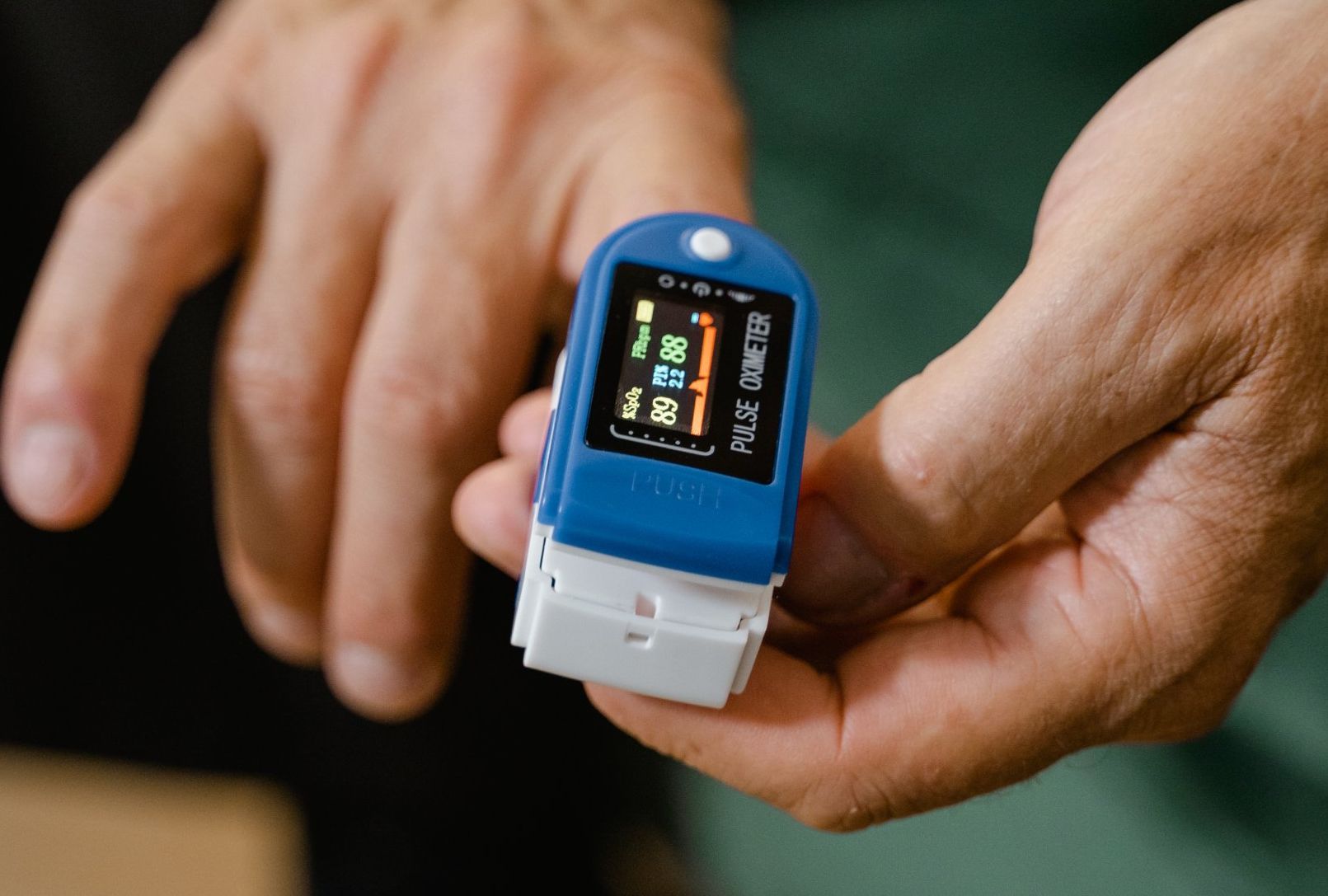
Sarcopenia: The Silent Muscle Thief of Midlife


How to fight back against muscle loss one rep at a time.

You've probably heard of osteoporosis. You may have heard of arthritis. But there's a third condition quietly affecting millions of Australians from midlife onward that most people have never encountered until it's already well underway.
It's called sarcopenia — and it may be the most important health condition you've never heard of.
Sarcopenia is the gradual, progressive loss of muscle mass, strength, and function that comes with ageing. It's not dramatic. It doesn't announce itself with a specific injury or a clear diagnosis moment. Instead, it creeps in slowly — the jar lid that gets harder to open, the flight of stairs that leaves you more breathless than it used to, the chair you now push off with your arms because your legs just don't have the same power they once did.
Left unchecked, sarcopenia is one of the most significant threats to long-term independence and quality of life. But here's the genuinely good news: it is not inevitable, and it is not irreversible.
With the right physiotherapy approach, muscle loss can be meaningfully slowed, stopped, and often reversed — even later in life.
Why Your Muscles Matter More Than You Think
Your skeletal muscles do far more than move your body. They are metabolically active tissue — meaning they burn energy, regulate blood sugar, support your immune function, and protect your joints by absorbing load that would otherwise go straight into cartilage and bone.
Muscles attach to bones via tendons and work by contracting and relaxing to produce movement. They are highly adaptive — when you challenge them with load, they grow stronger. When you don't, they shrink. This is the fundamental principle that makes sarcopenia both a problem and an opportunity: muscles respond to the right stimulus, regardless of age.
As we get older, changes occur at both the muscle fibre level and the neuromuscular junction — the connection between your nerves and your muscles. Fast-twitch muscle fibres (the ones responsible for power, speed, and catching yourself when you trip) are lost faster than slow-twitch fibres. Motor units become less coordinated. The result is not just less muscle, but less usable muscle — reduced strength, slower reaction times, and compromised balance.
All of this compounds. Weaker muscles mean more load on joints, which accelerates wear. Less muscle mass means a slower metabolism and more fat accumulation. Reduced balance means a higher falls risk. And falls, in older adults, are one of the most significant causes of serious injury, hospitalisation, and loss of independence.
When Does It Start — and Who Is Most at Risk?
This is where most people are genuinely surprised. Muscle mass can begin declining from as early as your 30s to 40s, with the rate accelerating significantly from the 50s onward. By age 60, around 10% of people meet the clinical criteria for sarcopenia — but a far larger proportion are in the earlier stages of muscle loss without knowing it.
For women, menopause is a critical inflection point. Oestrogen plays an important role in maintaining muscle mass and strength, and the sharp hormonal decline around perimenopause significantly accelerates the rate of sarcopenia. This is one of the reasons sarcopenia sits at the centre of what researchers are increasingly calling the musculoskeletal syndrome of menopause — the cluster of joint, muscle, tendon, and bone changes driven by declining oestrogen in midlife.
Key risk factors include:
- Physical inactivity — the single most modifiable contributor
- Low protein intake — muscles need amino acids to repair and grow
- Hormonal changes — particularly declining oestrogen, testosterone, and growth hormone
- Chronic conditions — including diabetes, inflammatory disease, and cardiovascular disease
- Excess body fat — fat tissue produces inflammatory signals that accelerate muscle loss
How Do You Know If You Have It?
Sarcopenia doesn't show up on a standard blood test, and you won't receive a diagnosis from a GP visit focused on something else. But there are meaningful warning signs worth paying attention to:
- Difficulty lifting or carrying things that weren't previously a problem
- Noticeably slower walking pace
- Struggling to rise from a chair without using your arms
- Reduced stamina for activities you used to manage comfortably
- A feeling of general physical fragility, or more frequent stumbles and near-falls
Physiotherapists can screen for sarcopenia using simple, validated clinical tests including grip strength assessment, sit-to-stand testing, and walking speed — no expensive equipment required. In complex cases, a DEXA scan can quantify muscle mass, but for most people a thorough physiotherapy assessment provides all the information needed to build an effective program.
Importantly, sarcopenia is now formally recognised as a distinct clinical condition — not simply "normal ageing" — which means it deserves assessment and treatment, not acceptance.
The Treatment That Actually Works
Here's the most important thing to understand about sarcopenia: exercise is medicine, and resistance training is the most potent medicine available for this condition.
The evidence is unambiguous. Progressive resistance training — lifting, pushing, pulling, and loading muscles with gradually increasing challenge — consistently improves muscle mass, strength, balance, and functional capacity in people of all ages, including those well into their 70s, 80s, and beyond.
The body does not stop responding to the stimulus of strength training simply because it has aged.
A physiotherapy-led program for sarcopenia will typically include:
Progressive Resistance Training. The cornerstone of sarcopenia management. Targeting the major muscle groups of the lower and upper limbs two to three times per week, with load progressively increased as capacity improves. This is not about lifting heavy barbells — it's about finding the right starting point for your body and building systematically from there.
Functional Strength Work. Exercises that mirror the movements of real life — sit-to-stands, step-ups, carrying tasks, and balance challenges — so that strength gains translate directly into better everyday function. If getting off the floor, climbing stairs, or carrying shopping are goals, your program is built around exactly those demands.
Balance and Coordination Training. Sarcopenia significantly increases falls risk, and balance training is a critical part of the picture. This is especially relevant for those already noticing unsteadiness or who have had near-falls. Falls prevention is one of the most impactful things physiotherapy can offer — and it matters not just now, but across the decades ahead. You can read more about falls prevention on our Parkinson's Disease balance and mobility blog, which covers many of the same balance principles relevant to sarcopenia.
Aerobic Conditioning. Cardiovascular exercise supports metabolic health, reduces inflammatory load, and improves endurance — all of which interact with muscle health. It complements resistance training rather than replacing it.
Education and Long-Term Habit Building. The most effective exercise program is one you stick to. A key part of what physiotherapy provides is helping you understand why you're doing what you're doing, how to progress safely, and how to build exercise into your life for the long term. Read more about building effective, goal-driven exercise habits in our blog, Exercise Smarter and Reach Your Goals.
Supporting Your Training with Nutrition
Exercise and nutrition work together. Without adequate protein, muscles cannot repair and grow effectively after training. Current evidence suggests that adults over 50 benefit from slightly higher protein intakes than younger adults — distributing protein across meals (rather than concentrating it in one sitting) appears to be particularly important for maximising muscle protein synthesis. A referral to a dietitian can be a valuable addition to your physiotherapy program if nutrition is a concern.
The Menopause and Sarcopenia Connection
For women in their 40s and 50s specifically, the relationship between sarcopenia and the hormonal changes of perimenopause deserves its own attention. The same oestrogen decline that drives joint pain, tendon vulnerability, and bone density loss also accelerates muscle loss — and the conditions compound each other.
Weaker muscles mean more load on already-sensitive joints. Less muscle mass means less metabolic support for the inflammatory processes that drive conditions like gluteal tendinopathy and knee pain. Reduced bone density combined with reduced muscle and balance capacity significantly elevates fracture risk.
This is why a progressive resistance training program is one of the single most important things a perimenopausal or postmenopausal woman can do for her long-term health — it addresses sarcopenia, bone density, joint loading, balance, and metabolic health simultaneously.
How Long Before You See Results?
Improvements in strength and function typically begin within 6 to 12 weeks of consistent, well-structured exercise. That is a relatively short window — and it's a meaningful one. Within a few months of starting a targeted program, most people report feeling noticeably stronger, more stable on their feet, and more capable in everyday tasks.
The longer you stay with it, the greater the benefits compound. The goal isn't a quick fix — it's building a physiological reserve that protects your independence and quality of life for decades.
Don't Wait for It to Get Worse
Sarcopenia is progressive if left untreated — but it is highly responsive to the right intervention. The earlier it is identified and addressed, the more muscle you preserve, the more falls you prevent, and the greater your functional reserve going into older age.
If any of the warning signs in this article sound familiar — or if you simply want to know where you stand — a physiotherapy assessment is the right starting point.
Sarcopenia
Frequently Asked Questions
Ready to get on top of your symptoms?
At Movement for Life Physiotherapy, our team across Coconut Grove and Rosebery can assess your current muscle strength and function, identify early signs of sarcopenia, and build a personalised, progressive program to help you get stronger, move better, and stay independent.
Get in touch with our team to book an assessment, and let's build a plan that keeps you strong, active, and pain-free through this life stage and beyond.
Give us a call now or click on BOOK AN APPOINTMENT to book online.
This article is general information only and does not replace individual clinical assessment. If you're experiencing joint or muscle pain, book an appointment with one of our physiotherapists for a tailored assessment and treatment plan.
Sources
- Chen, N., He, X., Feng, Y., Ainsworth, B. E., & Liu, Y. (2021). Effects of resistance training in healthy older people with sarcopenia: A systematic review and meta-analysis. European Review of Aging and Physical Activity, 18, 23.
- Cruz-Jentoft, A. J., & Sayer, A. A. (2022). Sarcopenia. Age and Ageing, 51(10), afac220. https://doi.org/10.1093/ageing/afac220
- Delaere, A., Beckwée, D., et al. (2019). Exercise interventions for the prevention and treatment of sarcopenia: A systematic umbrella review. The Journal of Nutrition, Health & Aging, 23(6), 494–502.
- Kakehi, S., Wakabayashi, H., et al. (2022). Rehabilitation nutrition and exercise therapy for sarcopenia. World Journal of Men's Health, 40(1), 1–10.
- Miao, Y., Xie, L., et al. (2024). Unraveling the causes of sarcopenia. Physiological Reports, 12(1), e15917.
- Nasso, R., D'Errico, A., et al. (2024). Dietary protein and physical exercise for the treatment of sarcopenia. Clinics and Practice, 14(4), 1451–1467.
- Voulgaridou, G., Tyrovolas, S., et al. (2024). Diagnostic criteria and measurement techniques of sarcopenia. Nutrients, 16(3), 436.
- Wright, V. J., Schwartzman, J. D., Itinoche, R., & Wittstein, J. (2024). The musculoskeletal syndrome of menopause. Climacteric, 27(5), 466–472. https://doi.org/10.1080/13697137.2024.2380363
- Zheng, X., Zhang, L., & Huang, Z. (2026). Effect of exercise intervention on elderly patients with sarcopenia: A meta-analysis. American Journal of Translational Research, 18(1), 1–12.
More articles