The Neck - Whiplash

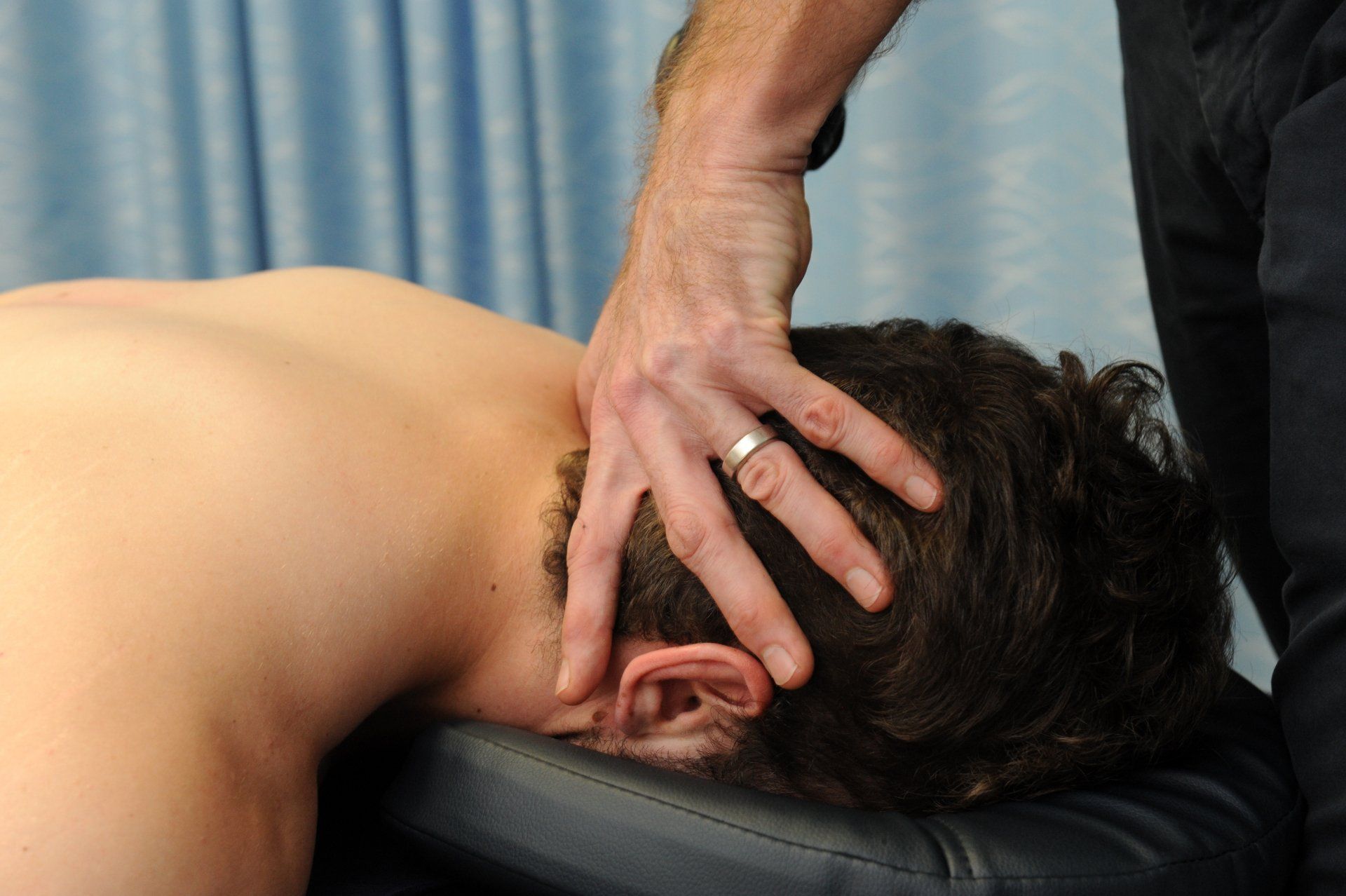

Research supports active management as the most effective treatment approach for whiplash.

Whiplash is a common neck injury that occurs when the head is suddenly thrown forwards, backwards, or sideways, causing the neck to move beyond its normal range. It most commonly occurs during motor vehicle accidents when a verhicle is hit from behind, but can also happen during sporting injuries, falls, or other traumatic events.
While some people experience only mild symptoms that resolve quickly, others can develop ongoing neck pain, headaches, stiffness, and difficulties with work, driving, or exercise. In some instances, symptoms can start hours, even days to weeks after the cause of injury, giving rise to the term whiplash associated disorder, or WAD.
Physiotherapy plays an important role in helping people recover from whiplash by reducing pain, restoring movement, and improving confidence in returning to everyday activities.
Anatomy 101
Your neck, or cervical spine, is made up of seven small bones called vertebrae. Between these bones sit discs that act as shock absorbers, while muscles, ligaments, tendons, and joints work together to support your head and allow movement.
The average adult head weighs approximately 4-6 kilograms, so the neck has an important job supporting this weight throughout the day. The neck also contains many nerves that travel from the brain to the rest of the body, helping control movement and sensation.
During a whiplash injury, the rapid movement of the head can place stress on the muscles, joints, ligaments, and nerves in the neck. These tissues can become irritated and painful, resulting in stiffness, muscle tightness, headaches, and difficulty moving comfortably.
Who Gets It?
Whiplash can affect people of all ages but is most commonly seen following motor vehicle accidents, particularly rear-end collisions. When a car collides with the rear of the vehicle in front, the passengers head in the front vehicle is initially thrust backward, then suddenly forwards as the car comes to a halt. Factors that may increase the risk of developing whiplash symptoms include:
- Being involved in a higher-speed collision
- Poor headrest positioning
- Previous neck injuries
- A history of neck pain or headaches
- High levels of stress or anxiety following an accident
- Reduced physical activity levels
Research shows that while many people recover well, some individuals can develop persistent symptoms that last for months.
Early assessment and appropriate management can help reduce the risk of long-term problems.
Diagnosing Whiplash
Whiplash is primarily diagnosed through a thorough assessment by a healthcare professional. Assessment involves detailed questioning about the mechanism of injury, the onset of symptoms, how those symptoms behave, and what aggravates and eases them. Your physiotherapists will often ask you to complete some questionnaires to help guide treatment, before undertaking a thorough physical assessment. Common signs and symptoms of whiplash include:
- Neck pain
- Neck stiffness
- Reduced neck movement
- Headaches
- Shoulder or upper back pain
- Dizziness
- Fatigue
- Difficulty concentrating
- Increased pain when driving or sitting for long periods
Several other conditions can present with similar symptoms and these need to be carefully considered during the assessment process. These include:
- Cervical disc injuries
- Nerve irritation or compression
- Concussion
- Shoulder injuries
- Cervical fractures
- Ligament injuries
- Vestibular disorders causing dizziness
Your physiotherapist will assess your neck movement, muscle strength, posture, balance, reflexes, sensation, and overall function. They will also ask detailed questions about how the injury occurred and how symptoms are affecting your daily life.
Depending on the severity of the injury, your GP, emergency department doctor, specialist, or physiotherapist may all play a role in diagnosis, management and recovery.
Do I Need a Scan?
Most people with whiplash do not require scans. Research shows that X-rays, CT scans, and MRI scans are often unnecessary unless there are signs suggesting a more serious injury. Healthcare professionals commonly use the Canadian C-Spine Rules to determine whether imaging is required following an accident.
Scans are typically reserved for situations where there is concern about a fracture, significant ligament injury, spinal instability, or neurological symptoms such as numbness, weakness, or changes in sensation.
For most people, a thorough clinical assessment provides enough information to guide treatment.
Treatment
Current research supports active management as the most effective treatment approach for whiplash.
In the past, prolonged rest and neck collars were commonly recommended. Evidence now suggests that staying active and gradually returning to normal movement often leads to better outcomes.
Physiotherapy treatment may include:
Education and Advice. Understanding your injury and knowing what to expect can reduce anxiety and improve recovery. Your physiotherapist will explain the injury, expected recovery timelines, and strategies for managing symptoms.
Manual Therapy. Hands-on treatment such as joint mobilisation, soft tissue massage, and gentle movement techniques may help reduce pain and improve neck mobility, particularly in the early stages of recovery.
Exercise Therapy. Specific exercises help restore neck movement, improve muscle control, and gradually rebuild strength. These exercises are progressed as symptoms improve.
Postural Retraining. Following whiplash, many people develop protective movement patterns or poor posture. Physiotherapy helps restore normal movement and reduce unnecessary strain on the neck.
Strength and Conditioning. As recovery progresses, strengthening exercises for the neck, shoulders, and upper back help improve function and reduce the risk of ongoing symptoms.
Dry Needling. Some patients may benefit from dry needling to reduce muscle tension and improve comfort, although it is generally used alongside exercise rather than as a stand-alone treatment.
Hydrotherapy. For individuals with significant pain or fear of movement, hydrotherapy can provide a comfortable environment to begin exercising and rebuilding confidence.
Pain Relief Options. Your GP may recommend simple pain relief medications or anti-inflammatory medications to help manage symptoms during the early stages.
What About Cortisone Injections?
Cortisone injections are generally not considered a routine treatment for whiplash and are rarely recommended unless another specific condition has been identified.
What About Shockwave Therapy or a Theragun?
There is currently limited evidence supporting shockwave therapy for whiplash injuries. Massage guns (Theraguns) may provide temporary relief of muscle tightness but should not replace a structured rehabilitation program. Overall, exercise, education, and gradual return to activity remain the treatments with the strongest evidence.
How Long's It Going to Take?
Recovery times vary from person to person. Many people experience significant improvement within a few weeks, while others may take several months to fully recover. Factors that can influence recovery include the severity of the injury, previous neck problems, stress levels, overall health, and how quickly treatment begins.
Early intervention, commitment to your exercise program, good communication with your physiotherapist, and gradually returning to normal activities are all associated with better outcomes.
The majority of people improve significantly with conservative treatment and do not require surgery.
The Take Home
Whiplash is a common neck injury that can cause pain, stiffness, headaches, and reduced confidence with movement. Although symptoms can be frustrating, most people recover well with the right management.
Physiotherapy plays a key role in reducing pain, restoring movement, rebuilding strength, and helping you return to your normal activities safely. Early assessment and treatment can improve recovery and reduce the likelihood of ongoing symptoms.
Whiplash Associated Disorders
Frequently Asked Questions
Ready to get on top of your symptoms?
If you have neck pain following an accident and want to get it sorted, give us a call now.
At Movement for Life Physiotherapy, our team can accurately assess your neck pain and determine if you have whiplash. We can help you build a goal-oriented management plan tailored to you — including exercise therapy, manual therapy, dry needling, and hydrotherapy as appropriate.
Get in touch with our team at Coconut Grove or Rosebery to book an assessment, and let's build a plan that keeps you strong, active, and moving today and for the future.
Give us a call now or click on BOOK AN APPOINTMENT to book online.
This article is general information only and does not replace individual clinical assessment. If you're experiencing joint or muscle pain, book an appointment with one of our physiotherapists for a tailored assessment and treatment plan.
Sources
- Bandong, A. N., Rebbeck, T., Mackey, M., Sterling, M., Kelly, J., Ritchie, C., & Leaver, A. (2023). Selective acceptance of acute whiplash guidelines: a qualitative analysis of perceptions of health professionals in Australia. Disability and Rehabilitation, 45(12), 1947-1954.
- Blanpied, P. R., Gross, A. R., Elliott, J. M., Devaney, L. L., Clewley, D., Walton, D. M., ... & Torburn, L. (2017). Neck pain: revision 2017: clinical practice guidelines linked to the international classification of functioning, disability and health from the orthopaedic section of the American Physical Therapy Association. Journal of Orthopaedic & Sports Physical Therapy, 47(7), A1-A83.
- Chrcanovic, B., Larsson, J., Malmström, E. M., Westergren, H., & Häggman-Henrikson, B. (2022). Exercise therapy for whiplash-associated disorders: a systematic review and meta-analysis. Scandinavian Journal of Pain, 22(2), 232-261.
- Gross, A., Langevin, P., Burnie, S. J., Bédard‐Brochu, M. S., Empey, B., Dugas, E., ... & LeBlanc, F. (2015). Manipulation and mobilisation for neck pain contrasted against an inactive control or another active treatment. Cochrane Database of Systematic Reviews, (9).
- Kamper, S. J., Rebbeck, T. J., Maher, C. G., McAuley, J. H., & Sterling, M. (2008). Course and prognostic factors of whiplash: a systematic review and meta-analysis. Pain, 138(3), 617-629.
- Schollaert, J., & Van Goethem, J. W. (2023, October). Imaging in whiplash-associated disorders. In Seminars in musculoskeletal radiology (Vol. 27, No. 05, pp. 512-521). Thieme Medical Publishers, Inc..
- Shearer, H. M., Carroll, L. J., Côté, P., Randhawa, K., Southerst, D., Varatharajan, S., ... & Taylor-Vaisey, A. (2021). The course and factors associated with recovery of whiplash-associated disorders: an updated systematic review by the Ontario protocol for traffic injury management (OPTIMa) collaboration. European Journal of Physiotherapy, 23(5), 279-294.
- Sterling, M. (2014). Physiotherapy management of whiplash-associated disorders (WAD). Journal of physiotherapy, 60(1), 5-12.
- Vaillancourt, C., Charette, M., Sinclair, J., Dionne, R., Kelly, P., Maloney, J., ... & Stiell, I. G. (2023). Implementation of the modified Canadian C-spine rule by paramedics. Annals of Emergency Medicine, 81(2), 187-196.
More articles