Corked Thigh: Symptoms, Treatment and Recovery
Most corked thighs improve with appropriate early management and progressive rehabilitation. However, more severe injuries can cause significant bleeding, restricted movement and complications that need medical attention.
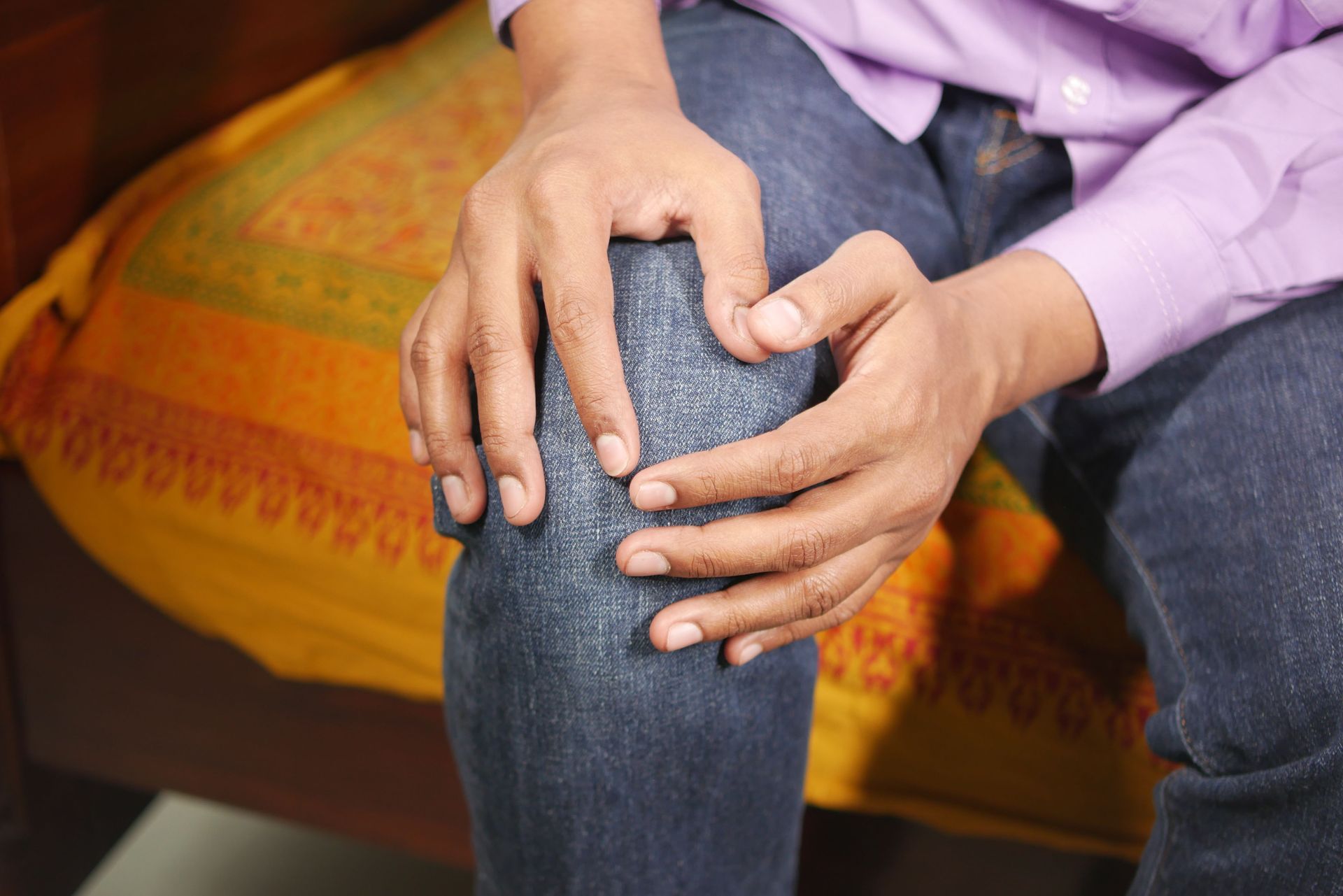
A knock to the thigh during sport can leave you with a painful, swollen muscle that makes walking, running or bending your knee difficult. Commonly known as a corked thigh, this injury is a type of muscle contusion caused by a direct blow to the muscle.
The impact can damage muscle fibres and small blood vessels, causing bleeding and swelling within the surrounding tissue. This may result in a haematoma – a collection of blood within the muscle or nearby tissues.
What is a corked thigh or muscle haematoma?
A corked thigh is a muscle contusion, usually affecting the quadriceps muscles at the front of the thigh. It commonly occurs when a player is struck by another player, a ball or another hard object during contact sport.
The impact compresses the muscle against the underlying thigh bone, damaging muscle fibres and small blood vessels. Blood can then collect within or around the injured muscle, forming a haematoma.
There are two common patterns of muscle haematoma:
- Intramuscular haematoma: Blood collects within the muscle, where the surrounding tissue can restrict how easily it spreads. This may cause increased pressure and swelling within the muscle.
- Intermuscular haematoma: Blood spreads between the muscle and surrounding tissues. Bruising may become more visible as blood tracks towards the skin.
A corked thigh can cause visible bruising, but a deeper injury may be painful and swollen without producing much discolouration on the skin.
Although the quadriceps is a common site, contusions and haematomas can affect other muscles throughout the body.
What causes a corked thigh and who is at risk?
A corked thigh usually follows a direct impact to the muscle. It is particularly common in contact sports such as Australian Rules football, rugby, hockey and basketball, where collisions with other players or equipment are frequent.
The quadriceps are especially vulnerable because they are exposed to direct contact during many sporting activities.
The severity of the injury depends on several factors, including:
- The force of the impact
- The location and depth of the injury
- The amount of muscle and blood vessel damage
- Whether there is an existing injury to the muscle
- Individual factors that may affect bleeding and recovery
People with a bleeding disorder or those taking anticoagulant medication (blood thinners) may be at greater risk of excessive bleeding following an injury. If this applies to you, seek medical advice after a significant knock, even if the initial symptoms appear relatively mild.
What are the symptoms of a muscle haematoma?
Symptoms depend on the severity and location of the injury. They may develop immediately after the impact or become more noticeable over the following hours. Common symptoms include:
- Pain and tenderness at the site of the impact
- Swelling or a feeling of tightness in the muscle
- Bruising or discolouration of the skin
- Reduced muscle strength
- Difficulty bending or straightening the nearby joint
- Pain when walking, running, squatting or contracting the affected muscle
A deeper haematoma may not produce visible bruising. Instead, you may notice significant tenderness, swelling or a firm lump within the muscle.
When should you seek medical attention?
Most minor muscle contusions can be managed without significant intervention. However, a more severe injury needs prompt assessment.
Seek medical assessment if you experience rapidly increasing swelling, severe pain, substantial loss of movement, difficulty bearing weight or symptoms that are getting worse rather than settling.
Acute compartment syndrome is a rare but serious complication of muscle bleeding and swelling. It occurs when pressure builds up within the enclosed space surrounding a muscle, restricting blood flow and potentially damaging muscles and nerves.
Warning signs include:
- Severe or rapidly increasing pain, particularly pain that seems out of proportion to the injury
- A very tight or tense feeling in the affected muscle
- Increasing pain when the muscle is stretched
- Numbness, tingling or weakness in the affected limb
If you suspect compartment syndrome, seek emergency medical care immediately. In Australia, call 000 or go to the nearest emergency department.
Another possible complication following a significant quadriceps contusion is myositis ossificans, where bone tissue develops within the injured muscle. Persistent pain, a firm or hard lump, and ongoing restriction of knee movement during recovery should be assessed by a health professional.
Do I need a scan?
Not every corked thigh requires imaging. A health professional can often assess a muscle contusion through your injury history and a physical examination. They will consider the mechanism of injury, the amount of swelling and bruising, muscle tenderness, strength and how comfortably you can move the affected limb. Depending on the findings, imaging may be recommended:
- Ultrasound: Can help identify a collection of blood within the muscle and assess the extent of a soft-tissue injury.
- X-ray: May be required if there is concern about an associated fracture or, later in recovery, abnormal bone formation within the muscle.
- MRI: May be useful when the extent or nature of the injury is unclear, or when symptoms are not following the expected course of recovery.
An ultrasound is not automatically required to rule out a blood clot simply because a haematoma is present. If a blood clot or another condition is suspected, the appropriate investigation will depend on your symptoms and clinical assessment.
How should you manage a corked thigh?
Early management aims to protect the injured muscle, limit further aggravation and manage pain and swelling.
If you have sustained a direct blow to the thigh:
Stop the activity
Stop playing or exercising and avoid activities that increase pain. Continuing to run, kick or play through a significant contusion may aggravate the injury.
Protect the injured area
Avoid further impact and unnecessary loading while the muscle is acutely painful. If walking is difficult, you may need temporary support or assistance to reduce the load through the injured leg.
Use cold for pain relief if helpful
A cold pack wrapped in a towel can be applied for short periods to help relieve pain. Avoid placing ice directly against your skin. Cold may help with short-term symptoms, but it has not been shown to speed muscle healing.
Consider gentle compression
A suitable compression wrap may help manage swelling and provide support. It should not be so tight that it causes increased pain, numbness, tingling or changes in skin colour or temperature.
Elevate the limb where practical
When resting, elevating the injured leg may help manage swelling.
During the early painful phase, avoid aggressive massage, forceful stretching and strenuous exercise involving the injured muscle. These activities may aggravate symptoms. The timing of their reintroduction should depend on the severity of the injury and how it is progressing.
Pain relief medication may be appropriate for some people, but the choice depends on your health, other medications and the nature of the injury. Ask your GP or pharmacist for advice, particularly if you have a bleeding disorder or take blood-thinning medication.
How can physiotherapy help?
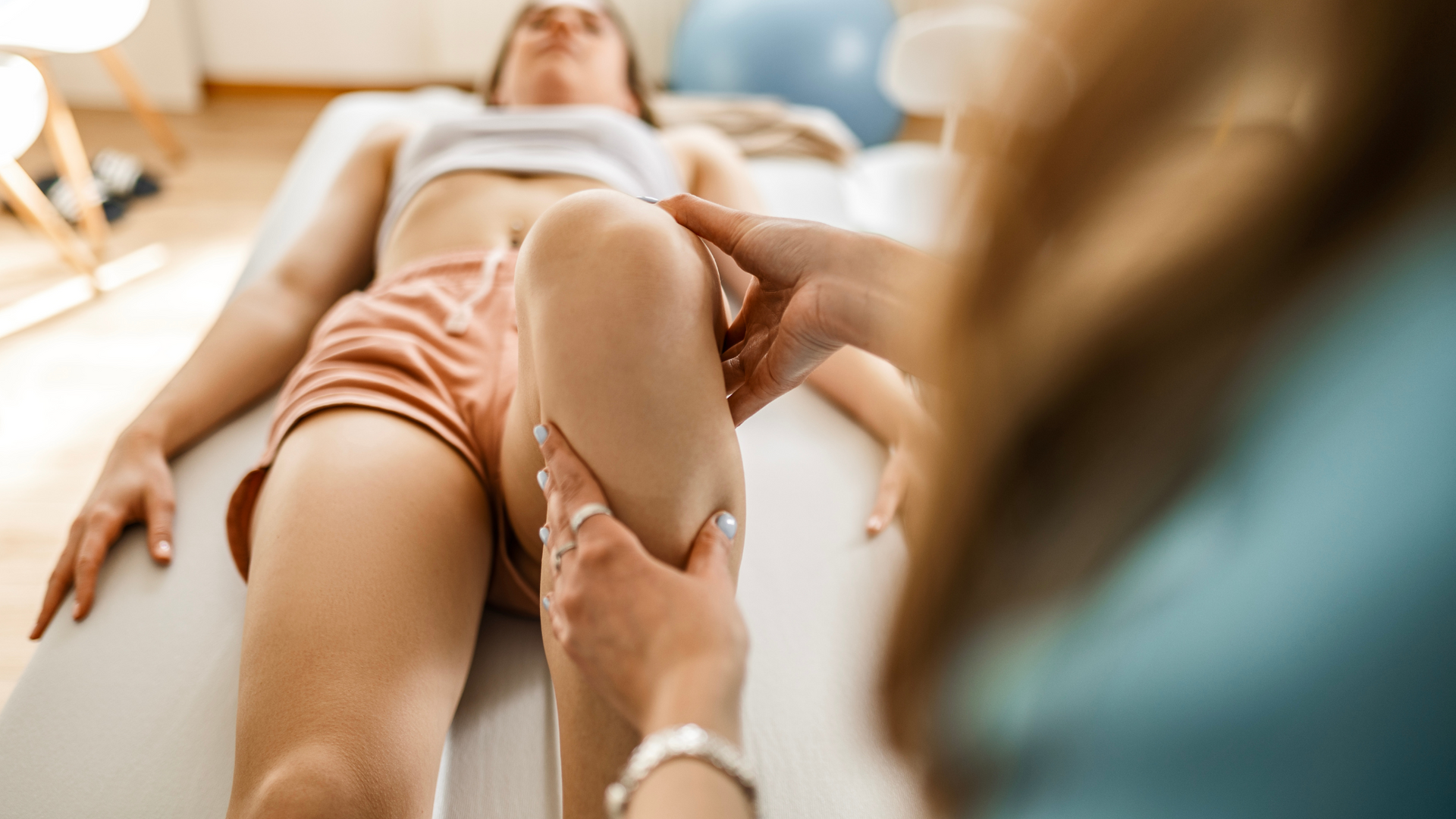
Once the injury has been appropriately assessed and the initial pain and swelling are settling, physiotherapy can help guide your recovery.
Rehabilitation should be progressive and based on your symptoms, strength and ability to tolerate increasing activity.
Your physiotherapist may use several approaches:
Restore movement
Gentle, progressive movement helps restore comfortable movement through the hip and knee. Exercises are introduced according to the severity of the injury and your tolerance.
Rebuild muscle strength
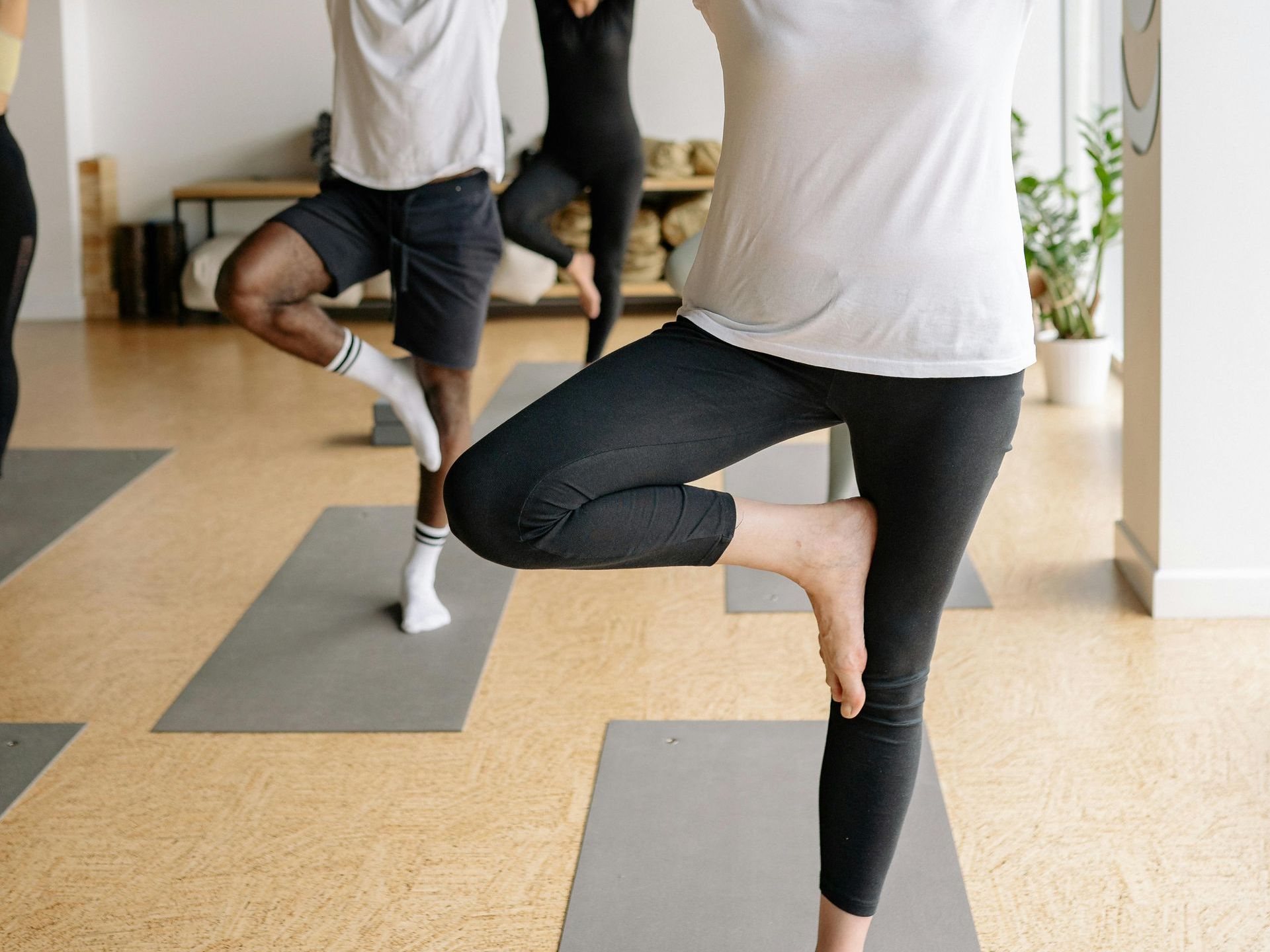
As symptoms settle, strengthening exercises can help restore quadriceps strength and control. Exercises may initially involve gentle muscle contractions before progressing to more demanding movements such as squats, step-ups and lunges.
Improve functional capacity
Rehabilitation should prepare you for the activities you need to perform. This may include walking, climbing stairs, running, accelerating, changing direction and kicking.
Progress towards sport
If your injury occurred during sport, your physiotherapist can help you gradually reintroduce running, jumping, agility drills and sport-specific activities. Progression should reflect how well your muscle tolerates each stage rather than relying on a fixed timeframe.
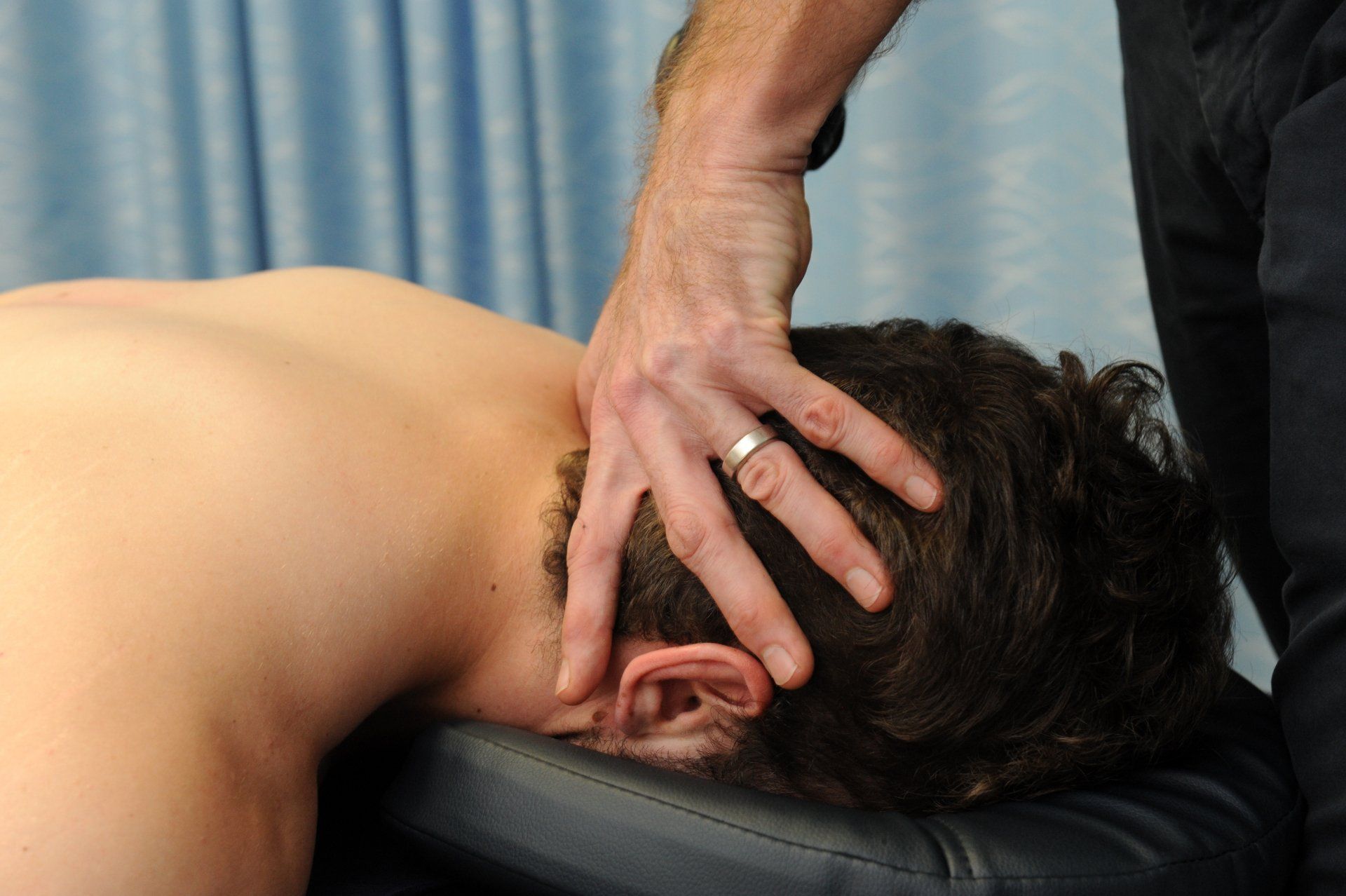
Hands-on treatment may be considered where appropriate, but it should complement progressive exercise and rehabilitation rather than replace it.
How long does a corked thigh take to heal?
Recovery depends on the severity of the contusion and the amount of damage to the muscle. A mild corked thigh may improve over a relatively short period, while a more severe injury involving significant bleeding, swelling or muscle damage can take considerably longer. Some severe contusions may require several weeks or months before full sporting activity is appropriate.
Your recovery will depend on:
- The severity and location of the injury
- The size of the haematoma
- How quickly pain and swelling settle
- Your ability to restore normal movement and muscle strength
- The physical demands of your work, exercise or sport
- Whether complications develop
It is important not to rush back into sport simply because the bruising has disappeared or the pain has improved. The muscle also needs to regain sufficient strength, movement and capacity to tolerate the demands of your activity. A physiotherapist can help monitor your progress and guide a safe return to training and sport.
Frequently Asked Questions
Get back to sport with confidence
A corked thigh can be more than just a painful bruise. Getting the right advice and progressively rebuilding your strength can help you return to training and sport safely.
At Movement For Life Physiotherapy, we can assess your injury, guide your rehabilitation and help you work towards getting back to the activities you enjoy.
Call us on 08 8945 3799 or click on BOOK AN APPOINTMENT to book online.
Related information
You may also find these Movement for Life Physiotherapy resources useful:
About this article
This article provides general information only and does not replace individual clinical assessment or advice. Whether gait re-training is appropriate depends on your symptoms, injury and running assessment. If you experience sudden severe pain, an inability to bear weight, or symptoms that are rapidly worsening, seek appropriate medical assessment.
Sources
- Kary, J. M. (2010). Diagnosis and management of quadriceps strains and contusions. Current Reviews in Musculoskeletal Medicine, 3, 26–31. https://doi.org/10.1007/s12178-010-9064-5
- Naughton, M., Miller, J., & Slater, G. J. (2018). Impact-induced muscle damage and contact sports: Etiology, effects on neuromuscular function and recovery, and the modulating effects of adaptation and recovery strategies. International Journal of Sports Physiology and Performance, 13(8), 962–969.
- Bayer, M. L., Mackey, A. L., Magnusson, S. P., Krogsgaard, M. R., & Kjær, M. (2019). Treatment of acute muscle injuries. Ugeskrift for Læger, 181(8)
- Ross Wittstein, J., & Mulcahey, M. K. (n.d.). Muscle contusion (bruise). American Academy of Orthopaedic Surgeons, OrthoInfo.
- Sports Medicine Australia. (n.d.). Quadriceps contusion (corked thigh).
More articles