Polyarthralgia: Why Do Multiple Joints Hurt?

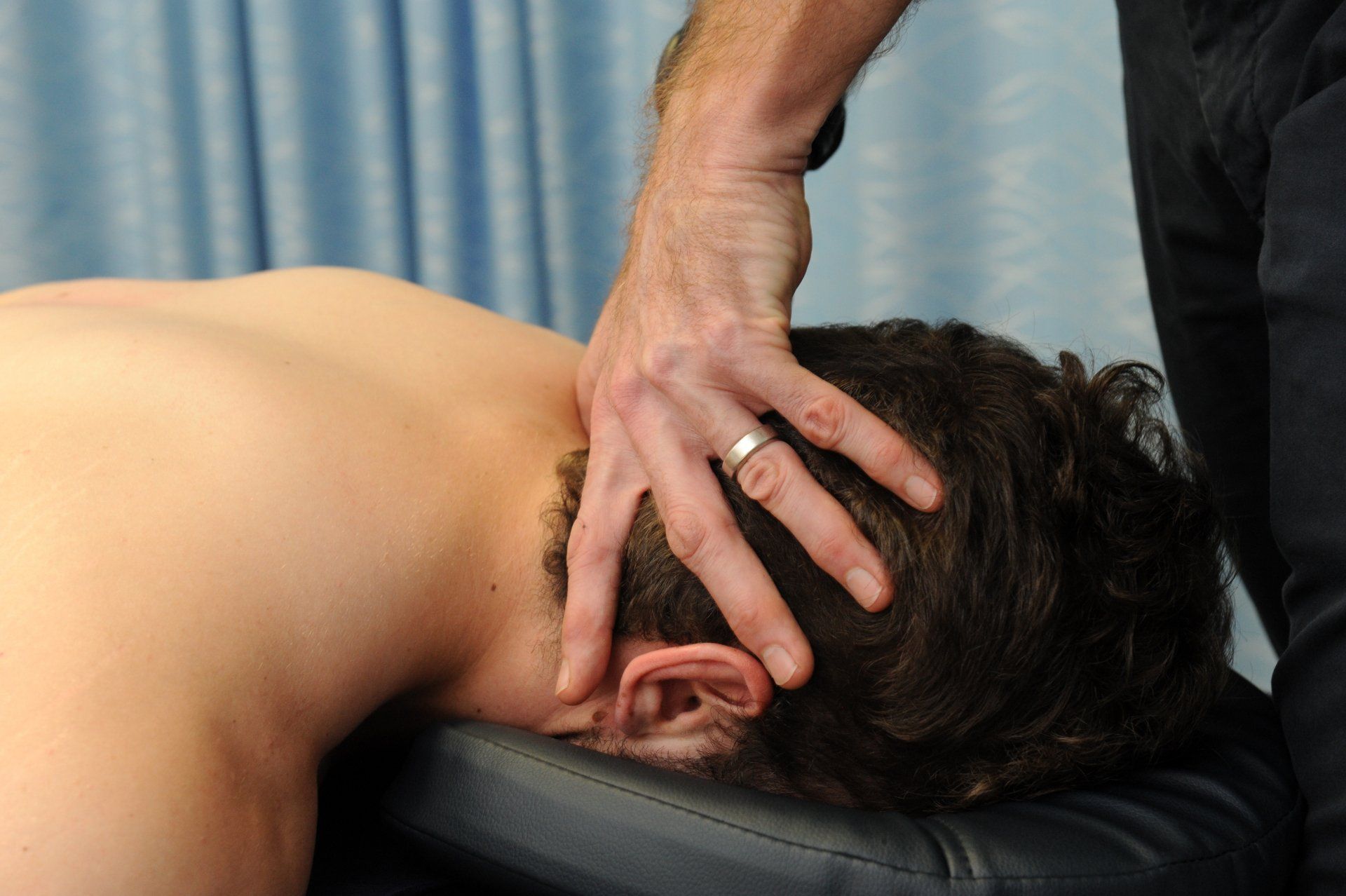

Are you experiencing pain or stiffness in several joints at the same time? There are many possible reasons why multiple joints may become painful, ranging from osteoarthritis and overuse to inflammatory conditions or infections.
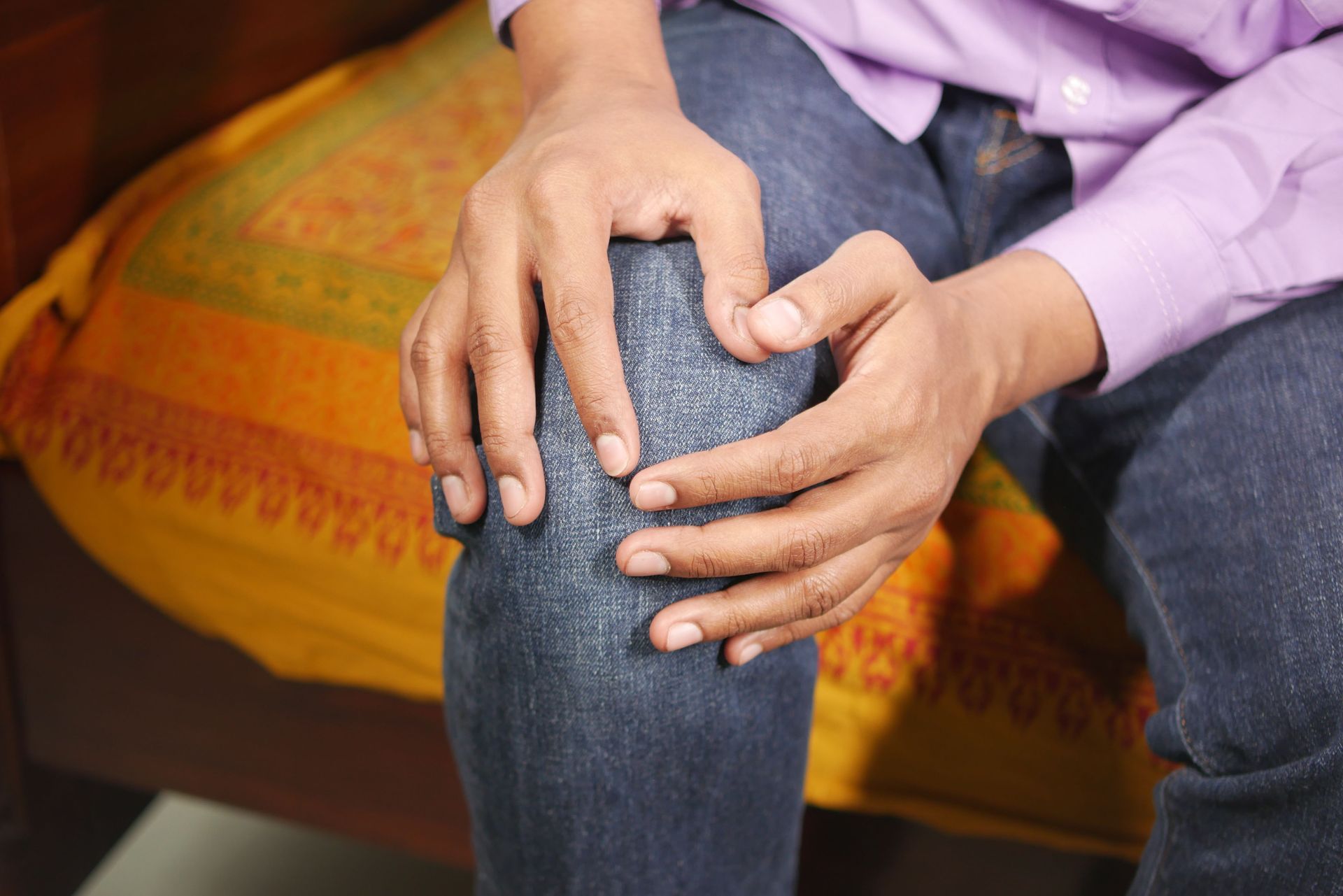
Polyarthralgia is the medical term for pain affecting multiple joints. It is a description of a symptom, not a diagnosis. Understanding what is causing your symptoms is the first step towards finding the right treatment and getting back to comfortable movement.
What is polyarthralgia?
Polyarthralgia describes pain affecting multiple joints. The term is commonly used when five or more joints are involved, although people may use it more generally to describe pain in several areas.
It is important to understand the difference between arthralgia and arthritis:
- Arthralgia means joint pain. It does not necessarily mean that the joint is inflamed.
- Arthritis refers to inflammation within a joint. It may cause pain, stiffness, swelling, warmth and reduced movement.
Polyarthralgia can occur with or without inflammation. This distinction matters because different underlying conditions require different approaches to assessment and treatment.
Joint pain can also sometimes come from tissues around the joint, such as muscles, tendons or bursae. Your symptoms and clinical assessment help determine where the pain may be coming from.
What causes pain in multiple joints?
There is no single cause of polyarthralgia. The pattern of pain, how quickly it develops, which joints are affected and whether other symptoms are present can all help identify the underlying problem.
Some common possibilities include:
Osteoarthritis
Osteoarthritis can affect several joints, particularly the knees, hips, hands and spine. It involves changes to the whole joint, including cartilage, bone and surrounding tissues. Symptoms may include pain with activity, stiffness after rest and difficulty with everyday movements.
Inflammatory arthritis
Conditions such as rheumatoid arthritis and psoriatic arthritis can cause inflammation in multiple joints. Symptoms may include joint swelling, warmth, prolonged morning stiffness and fatigue. Early medical assessment is important when an inflammatory condition is suspected.
Infections and post-viral joint pain
Some viral infections can cause temporary joint pain and stiffness, sometimes affecting several joints. In other circumstances, an infection can directly affect a joint and require urgent medical treatment.
Overuse and changes in physical activity
A sudden increase in physical activity, repetitive movements or physically demanding work can contribute to pain in more than one joint or surrounding structure. Symptoms may develop when the demands placed on your body exceed what it is currently conditioned to manage.
Other health conditions
Some systemic conditions, including lupus and other autoimmune diseases, can cause joint pain alongside symptoms elsewhere in the body. Widespread pain and fatigue may also occur with conditions such as fibromyalgia, although this does not necessarily mean the joints themselves are inflamed.
Because these causes can overlap, it is important not to assume that pain in multiple joints is simply due to ageing, overuse or arthritis.
What symptoms should you look out for?
Polyarthralgia can affect different joints and present in different ways. You may experience:
- Pain or aching in several joints
- Stiffness, particularly after waking or sitting for a while
- Reduced movement or difficulty with everyday activities
- Swelling, warmth or redness around affected joints
- Fatigue or a general feeling of being unwell
The pattern of your symptoms can provide useful clues about the underlying cause. For example, pain that is worse with activity and settles with rest may have a different pattern from pain associated with prolonged morning stiffness, joint swelling or symptoms elsewhere in the body.
When assessing multiple-joint pain, a health professional may consider:
- Which joints are affected: Are the hands, feet, knees, hips or other joints involved?
- How symptoms started: Did the pain develop suddenly or gradually?
- How long symptoms have been present: Are they short-lived, recurring or persistent?
- Whether both sides are affected: Is the pain symmetrical or mainly on one side?
- Whether there are signs of inflammation: Is there swelling, warmth or redness?
- Whether other symptoms are present: Have you also experienced fatigue, fever, skin changes or unexplained weight loss?
These details help guide further assessment. They are not enough on their own to establish a diagnosis.
When should you seek medical attention?
Arrange a GP assessment if you have persistent or unexplained pain in several joints, particularly if you notice swelling, prolonged morning stiffness or increasing difficulty with everyday activities.
Seek urgent medical assessment if you develop a suddenly painful, hot or swollen joint, particularly if you also have a fever or feel unwell. A joint infection is one possible cause and needs prompt treatment.
How is polyarthralgia assessed?
The first step is to understand what is causing the joint pain. Your GP will usually begin by discussing your symptoms and medical history, followed by a physical examination.
They may ask about:
- Which joints are painful and whether symptoms affect both sides of your body
- When the pain started and whether it is getting better or worse
- Morning stiffness, swelling, warmth or redness
- Recent illness, infection or changes in activity
- Other symptoms, including fatigue, fever, rashes or unexplained weight changes
- Previous injuries, medical conditions and medications
Depending on your symptoms and examination findings, further investigations may be appropriate.
Blood tests may be used to look for signs of inflammation or investigate particular medical conditions. The choice of tests depends on what your GP suspects. No single blood test can identify every cause of multiple-joint pain.
Medical imaging, such as X-rays, ultrasound or MRI, may be recommended when there is a specific concern about joint structure, inflammation or damage. Imaging is not automatically required for everyone with polyarthralgia.
You may also be referred to a rheumatologist if an inflammatory or autoimmune condition is suspected. The important point is that assessment should be guided by your symptoms and clinical findings. Identifying the underlying cause helps ensure that treatment is appropriate.
How can physiotherapy help?
Physiotherapy can play an important role in managing joint pain, maintaining movement and improving physical function. The most appropriate approach depends on the underlying cause, your symptoms and your overall health. Once any medical concerns have been appropriately assessed, your physiotherapist can work with you to develop a program that supports your movement and everyday activities.
Treatment may include:
Individualised exercise
Progressive strengthening exercises can help improve muscle strength, support joint function and make everyday activities easier. Your program will be adjusted to your starting point, symptoms and goals.
Mobility and movement
Gentle movement and mobility exercises can help maintain joint movement and address stiffness. The type and amount of exercise will depend on which joints are affected and how they respond.
Activity and load management
Balancing activity and recovery can help you remain active without repeatedly aggravating your symptoms. Your physiotherapist can help you modify activities and gradually build your capacity.
Functional rehabilitation
Treatment can focus on movements that matter to you, such as walking, climbing stairs, getting up from a chair, lifting or returning to work and recreational activities.
Education and self-management
Understanding your symptoms and learning how to manage changes in activity can help you feel more confident and in control of your rehabilitation.
Depending on your needs, exercise may be performed on land or in water. Hydrotherapy can provide a supportive environment for movement and strengthening when exercising on land is uncomfortable or difficult.
Physiotherapy does not replace medical assessment or treatment for inflammatory, infectious or other systemic conditions. It can, however, form an important part of your overall management plan.
How long does it take to improve?
There is no single recovery timeframe for polyarthralgia because improvement depends on what is causing the pain.
Joint symptoms related to a short-term illness or temporary increase in activity may settle over days or weeks. Other conditions, including osteoarthritis and inflammatory arthritis, may require longer-term management.
Your progress may depend on:
- The underlying cause of your symptoms
- How long the joints have been affected
- Your general health and physical capacity
- The impact of symptoms on your daily activities
- How well your treatment and exercise program can be adapted to your needs
For some people, the goal is to resolve symptoms. For others, it is to improve strength, maintain mobility, manage flare-ups and remain active over the longer term.
A physiotherapist can help you establish realistic goals and progress your rehabilitation according to how you respond.
Frequently Asked Questions
Get help understanding your joint pain
Pain in several joints can have different causes, and finding the right approach starts with understanding your symptoms. At Movement For Life Physiotherapy, we can assess how your joint pain is affecting your movement and function, and help you develop a rehabilitation plan suited to your needs.
Call us on 08 8945 3799 or click on BOOK AN APPOINTMENT to book online.
Related information
You may also find these Movement for Life Physiotherapy resources useful:
About this article
This article provides general information only and does not replace individual clinical assessment or advice. Whether gait re-training is appropriate depends on your symptoms, injury and running assessment. If you experience sudden severe pain, an inability to bear weight, or symptoms that are rapidly worsening, seek appropriate medical assessment.
Sources
- Alpay-Kanıtez, N., Bes, C., & Çelik, S. (2019). Polyarthritis and its differential diagnosis. European Journal of Rheumatology, 6(4), 167–173. https://doi.org/10.5152/eurjrheum.2019.19145
- Foster, Z. J., Day, A. L., & Miller, J. (2023). Polyarticular joint pain in adults: Evaluation and differential diagnosis. American Family Physician, 107(1), 42–51. https://www.aafp.org/afp/2023/0100/polyarticular-joint-pain
- Dao, K., & Cush, J. J. (2006). Acute polyarthritis. Best Practice & Research Clinical Rheumatology, 20(4), 653–672. https://doi.org/10.1016/j.berh.2006.05.007
- Ravn, C., Neyt, J., Benito, N., Araújo Abreu, M., Achermann, Y., Bozhkova, S., Coorevits, L., Ferrari, M. C., Gammelsrud, K. W., Gerlach, U.-J., Giannitsioti, E., Gottliebsen, M., Jørgensen, N. P., Madjarevic, T., Marais, L., Menon, A., Moojen, D. J., Pääkkönen, M., Pokorn, M., ... The SANJO Guideline Group. (2023). Guideline for management of septic arthritis in native joints (SANJO). Journal of Bone and Joint Infection, 8(1), 29–37. https://doi.org/10.5194/jbji-8-29-2023
- Kolasinski, S. L., Neogi, T., Hochberg, M. C., Oatis, C., Guyatt, G., Block, J., Callahan, L., Copenhaver, C., Dodge, C., Felson, D., Gellar, K., Harvey, W. F., Hawker, G., Herzig, E., Kwoh, C. K., Nelson, A. E., Samuels, J., Scanzello, C., White, D., ... Reston, J. (2020). 2019 American College of Rheumatology/Arthritis Foundation guideline for the management of osteoarthritis of the hand, hip, and knee. Arthritis Care & Research, 72(2), 149–162. https://doi.org/10.1002/acr.24131
- Rausch Osthoff, A.-K., Vliet Vlieland, T. P. M., Ferreira, R. J. O., Amarnani, R., Battista, S., Orlinov, D., Boyadzhieva, V., Brodin, N., Cox, A., Davergne, T., Duruöz, T., Esbensen, B. A., Fongen, C., Günther, K.-P., Henrotin, Y., Juhl, C., Kennedy, N., Kiltz, U., Knittle, K., ... Niedermann, K. (2026). EULAR recommendations for physical activity in people with inflammatory arthritis and osteoarthritis: 2025 update. Annals of the Rheumatic Diseases, 85(6), 1026–1038. https://doi.org/10.1016/j.ard.2026.03.006
- Rausch Osthoff, A.-K., Juhl, C. B., Knittle, K., Dagfinrud, H., Hurkmans, E., Braun, J., Schoones, J., Vliet Vlieland, T. P. M., & Niedermann, K. (2018). Effects of exercise and physical activity promotion: Meta-analysis informing the 2018 EULAR recommendations for physical activity in people with rheumatoid arthritis, spondyloarthritis and hip/knee osteoarthritis. RMD Open, 4(2), e000713. https://doi.org/10.1136/rmdopen-2018-000713
- Wolfe, F., Clauw, D. J., Fitzcharles, M.-A., Goldenberg, D. L., Häuser, W., Katz, R. L., Mease, P. J., Russell, A. S., Russell, I. J., & Walitt, B. (2016). 2016 revisions to the 2010/2011 fibromyalgia diagnostic criteria. Seminars in Arthritis and Rheumatism, 46(3), 319–329.
https://doi.org/10.1016/j.semarthrit.2016.08.012
More articles