
Wrist, Hand & Fingers
Practical information about wrist, hand and finger health, common problems, injuries and rehabilitation.
Your elbows help connect the movement of your shoulder and forearm, allowing you to bend, straighten and rotate your arm for everyday activities, work, exercise and sport.
Explore our articles to learn more about how the elbow works, common problems and injuries, and the role of movement, exercise and rehabilitation in keeping your arms functioning well.
Understanding Your Wrist, Hand & Fingers
Learn more about how this complex part of your body works and what can affect it.
The wrist, hand and fingers contain a large number of bones, joints, muscles, tendons, ligaments and nerves that work together to provide both strength and precise movement.
Small changes in movement or function can have a noticeable effect on everyday activities, particularly when gripping, lifting, writing, typing or using tools.
Our articles provide practical information about the anatomy and movement of the wrist, hand and fingers and some of the factors that can contribute to pain, stiffness, weakness or reduced function.
Wrist, Hand & Finger Pain & Common Problems
Explore practical information about some of the problems that can affect the wrist and hand.
Wrist and hand symptoms can develop gradually, occur after an injury or be associated with repeated gripping, lifting or other activities.
Pain, tingling, numbness, stiffness or weakness can involve different structures, including joints, tendons, ligaments and nerves.
Our articles explore some common wrist and hand problems, what they involve and the factors that may influence symptoms, movement and everyday function.



Wrist, Hand & Finger Injuries & Recovery
Learn more about common injuries and what recovery can involve.
Injuries to the wrist, hand and fingers can affect bones, joints, ligaments, tendons and other soft tissues. They can happen following a fall or direct impact, during sport or work, or through repeated loading.
Recovery depends on the type and severity of the injury and the demands you need to return to. Rehabilitation may involve restoring movement, rebuilding strength, improving grip and gradually increasing the load placed through the injured area.
Our articles explore specific injuries and provide information about recovery, activity and returning to normal use of your hand.

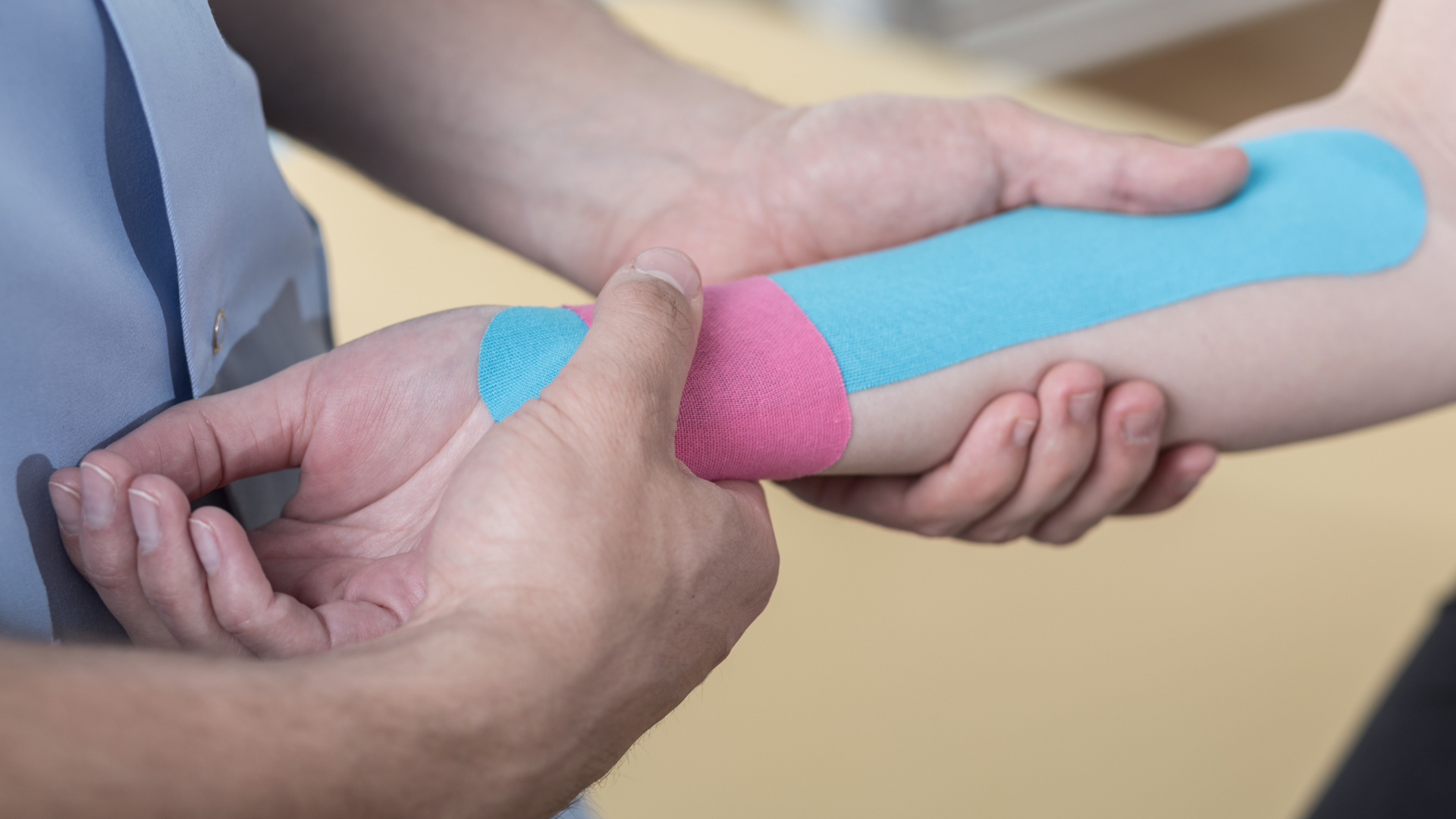
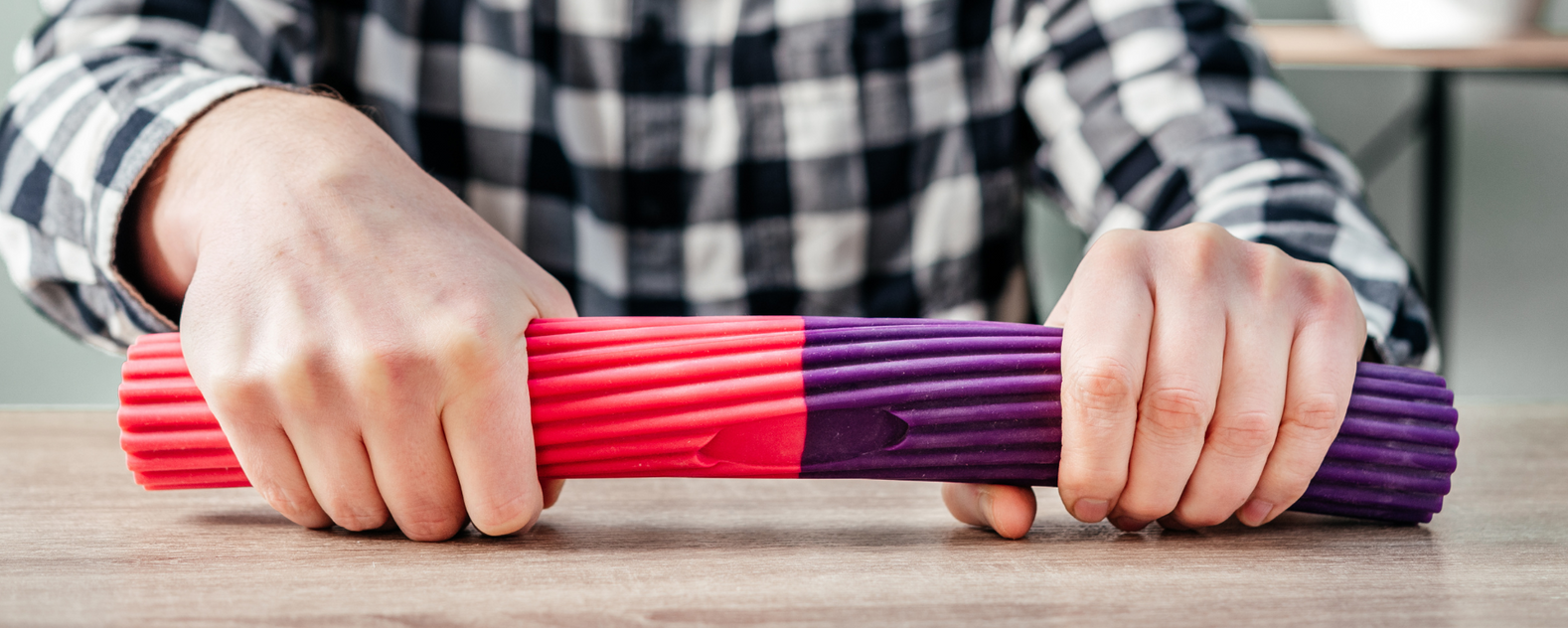
Looking After Your Wrists, Hands & Fingers
Explore practical information about movement, strength and managing hand and wrist load.
Your hands and wrists are exposed to different types of load throughout the day, whether you're typing, using tools, lifting, gripping, playing sport or completing everyday tasks.
Maintaining appropriate movement and strength, while gradually adapting to changes in activity, can help support your ability to use your hands and arms confidently.
The right approach depends on your symptoms, current capacity and the activities you need or want to return to. As our article collection grows, this section can provide practical information about exercise, load management and maintaining wrist, hand and finger function.
Wrist, Hand & Finger Articles
Explore our articles about wrist, hand and finger health, problems, injuries and rehabilitation.
Whether you're trying to understand a new symptom, learning more after an injury or looking for information about maintaining hand and wrist function, our articles provide practical information to help you understand what's happening and stay active.
Not Sure Where to Start?
You don't need to know exactly what's causing your wrist, hand or finger symptoms before seeking help.
Pain, stiffness, weakness, numbness or difficulty using your hand can have a range of causes.
If you're unsure what's contributing to your symptoms, a physiotherapist can assess your symptoms, movement and physical capacity and help you understand the next steps.
Ready to Take the Next Step?
Whether you're managing wrist, hand or finger symptoms, recovering from an injury or looking to maintain upper limb function, we're here to help.
Our physiotherapists can assess your wrist, hand or finger symptoms, consider how they are affecting your movement and everyday activities, and develop a practical plan around your needs and goals.
